
Moving to Denver CO: Best Places to Live in the Denver Metro Area
If you’re moving to Denver CO, one of the biggest mistakes you can make is only looking at the obvious names. A lot of people focus on Denver proper, maybe a couple of popular neighborhoods they’ve heard about, and stop there. But after decades around this city and years helping people relocate, I can tell you this: some of the best places for moving to Denver CO are the ones many buyers overlook at first.
That’s especially true if you care about lifestyle, commute, trails, schools, taxes, charm, or just finding the right fit for your stage of life. The Denver metro area is full of places that feel completely different from one another. Some are built around outdoor living. Some lean hard into small-town character. Some give you great transit access. Some are all about privacy and luxury.
So if you’re researching moving to Denver CO and wondering where you’d actually want to live, these are seven areas that stand out for very different reasons.
Table Of Contents
- Why These Denver Areas Stand Out
- Highlands Ranch, CO Living
- Parker, CO Lifestyle
- Castle Rock, CO Living
- Littleton, CO Neighborhoods
- Centennial, CO Suburbs
- Lone Tree, CO Luxury Living
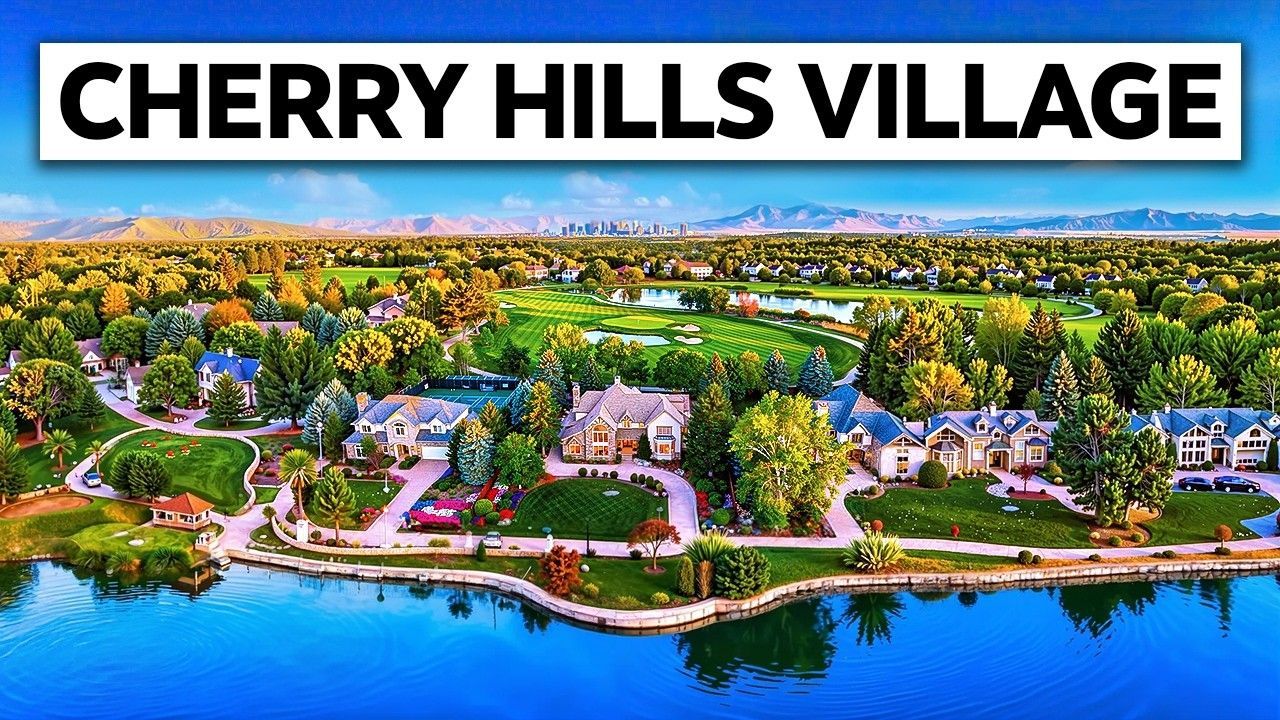
- Cherry Hills Village, CO Estates
- Which Denver CO Area Fits You
- FAQs Moving to Denver CO
Why These Denver Areas Stand Out
When people think about living in Denver CO, they often assume they need to choose between city energy and suburban comfort. The truth is, the metro area gives you a lot more nuance than that. You can live somewhere with 70-plus miles of trails, somewhere with a movie-set-style main street, somewhere with light rail access, or somewhere with luxury homes and lower property taxes just by crossing the right jurisdiction line.
That’s why moving to Denver CO is less about picking the “best” suburb and more about finding the place that matches how you actually want to live day to day.
SEARCH FOR NEW HOMES IN THE GREATER DENVER AREA
Highlands Ranch, CO Living
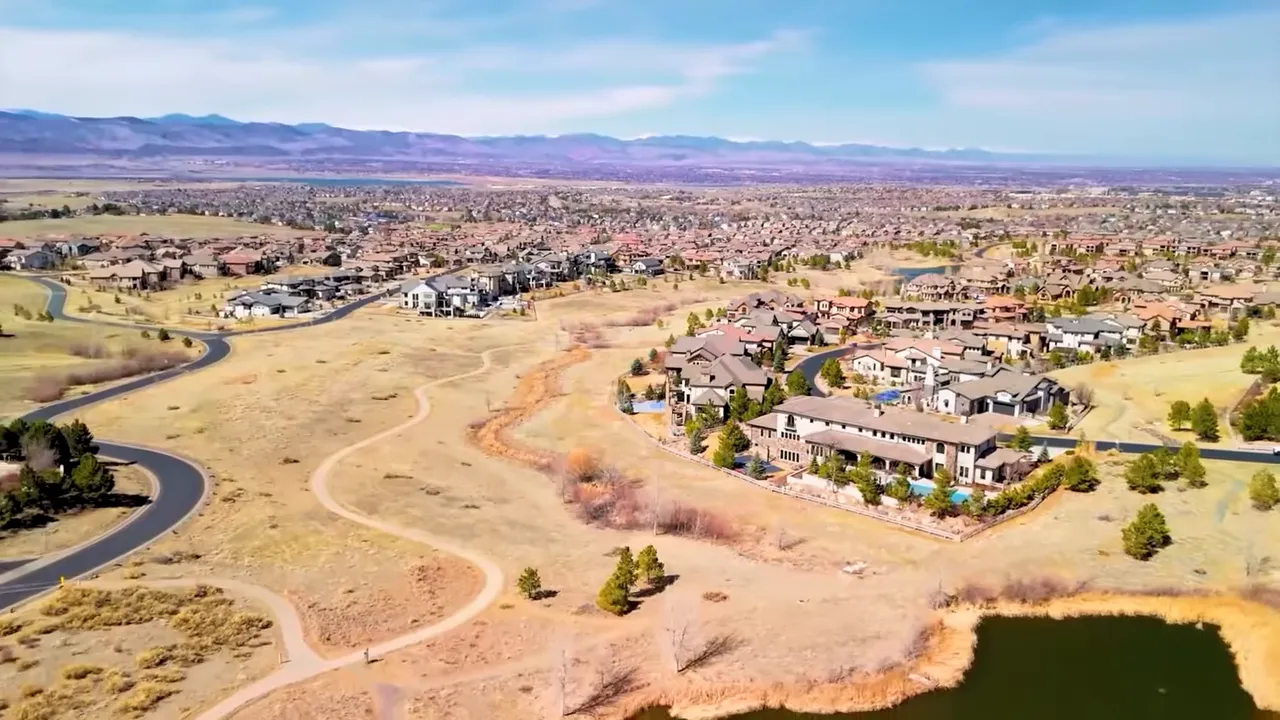
Highlands Ranch is one of those places people sometimes dismiss too quickly because they hear “master planned” and assume it means boring, cookie-cutter suburbia. In reality, it offers one of the strongest outdoor lifestyle setups anywhere in the metro area.
The big headline here is the trail system. Highlands Ranch has more than 70 miles of paved, crusher fine, and single-track trails connecting 26 parks and over 2,700 acres of open space. That’s a serious network. In practical terms, it means you can leave from your front door and get all over the community without having to load the car first.
That matters if you want your neighborhood to support an active lifestyle naturally instead of requiring extra planning every weekend.
- Paved trails for biking, jogging, and easy everyday use
- Crusher fine trails for a more natural Colorado feel
- Single-track options for a little more adventure
- Connected open space that ties the whole community together
Then there are the rec centers. Highlands Ranch has four full facilities, not just a neighborhood pool and a gym room. You’re looking at Olympic pools, turf fields, ice hockey rinks, and even drop-in childcare. For families and busy professionals, that kind of convenience is a big deal.
One of the more unique features is the Backcountry Wilderness Area. Highlands Ranch maintains around 11 miles of private backcountry trails that feel far more rugged than what most people expect from suburbia. It gives you that “I’m out in Colorado” experience while still being close to home.
There’s also a strong conservation mindset here. Some trails close seasonally because of bald eagle nesting, which tells you a lot about how seriously the community takes preserving wildlife habitat.
From a location standpoint, Highlands Ranch sits about 12 miles south of downtown Denver with access off C-470. There’s also light rail access from RidgeGate to Union Station in roughly 30 minutes, which helps if you want a commute option beyond driving.
Typical pricing: median home price around $740,000. You’ll see a mix of condos, single-family homes, larger luxury properties, and some newer mixed-use style developments.
If your version of living in Denver CO includes easy access to trails, rec amenities, family infrastructure, and a very polished suburban setup, Highlands Ranch deserves a serious look.
Parker, CO Lifestyle
Parker has a completely different personality. This is where you go if you want modern convenience without losing that small-town Colorado feel.
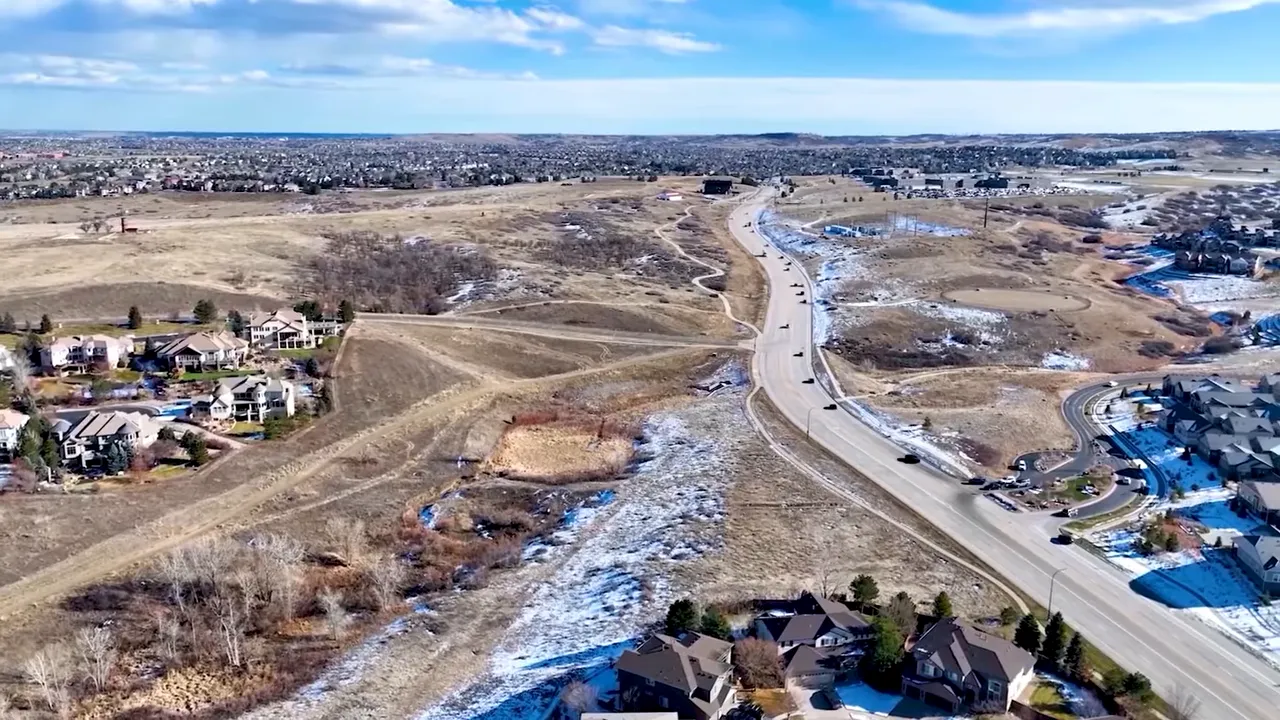
It sits about 25 minutes southeast of downtown Denver along South Parker Road, and the drive itself starts to feel like a shift away from the city. That’s part of the appeal. Parker doesn’t feel like just another suburb. It feels like its own place.
The historic downtown area is a big reason why. You’ve got beer gardens, coffee shops, boutiques, services, and the PACE Center for arts, culture, and events. The whole area has that authentic main street atmosphere that a lot of newer communities try to manufacture and never quite pull off.
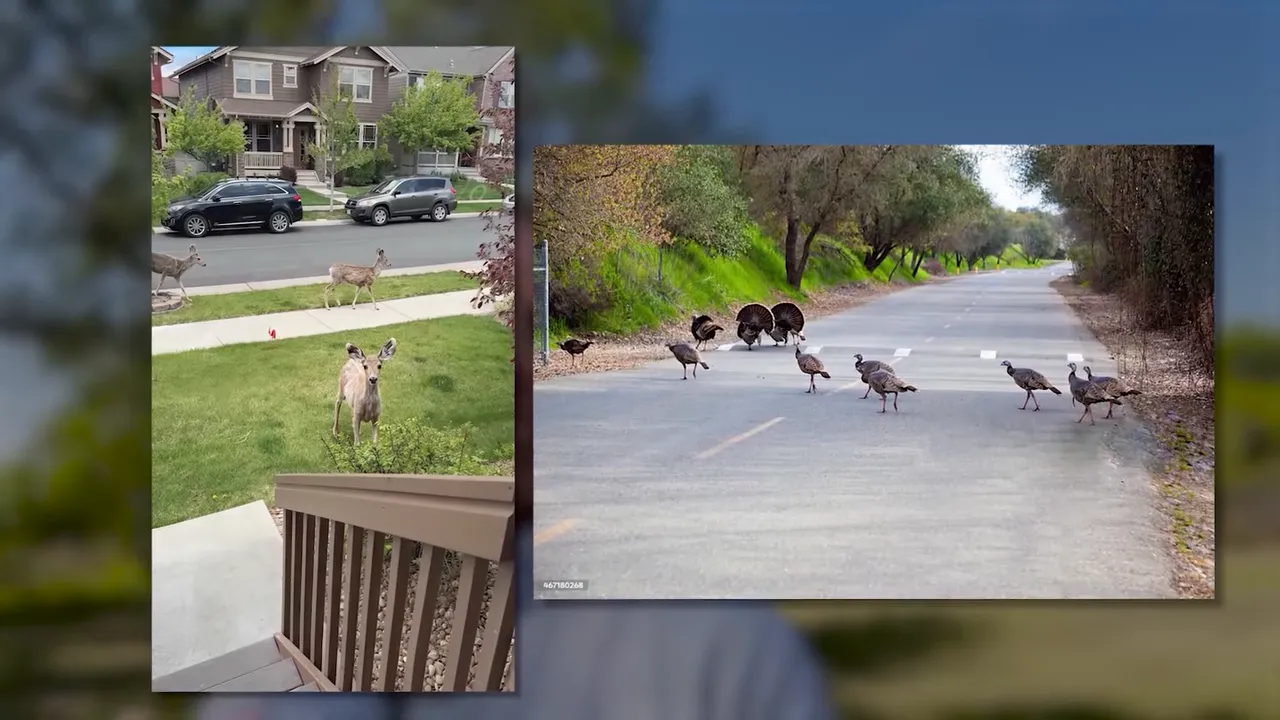
Parker also has something you do not get in every suburban market: wildlife right in the neighborhoods. Mule deer and wild turkeys wandering through town is not unusual here. That sounds like a small thing, but it contributes to the sense that you’re a bit closer to open land and the Colorado landscape.
For outdoor access, Parker maintains about 27 miles of paved trails plus equestrian and natural-surface loops through its open space system. Those trails connect into the broader regional network, which gives you miles of riding or walking without fighting traffic.
This is also a strong option for families with active kids. The rec center, parks, youth sports programs, and community leagues make it easy to plug into local activities.
Typical pricing: median prices are around $700,000. Many single-family homes fall in roughly the $550,000 to $750,000 range, with some starter homes closer to $450,000 and larger estate properties reaching $2 million and beyond.
If moving to Denver CO means you want a suburban lifestyle that still feels warm, local, and a little more relaxed, Parker is an easy one to put on the shortlist.
Castle Rock, CO Living
Castle Rock is one of the more distinctive places in the south metro. Yes, it literally has a rock formation that looks like a castle, and yes, that’s part of its identity. But what really makes it work is the combination of preserved history, community energy, and outdoor access.
Located about 30 miles south of downtown Denver on I-25, Castle Rock feels separate enough to have its own personality while still being tied into the metro.
Downtown Castle Rock carries real historic character. The area includes preserved rhyolite storefronts, several buildings on the National Register of Historic Places, and old structures repurposed into current businesses. Places like Castle Cafe, in the historic 1901 Keystone Hotel building, help anchor that old Colorado feel.
The downtown core is only a few blocks long, but that’s part of its charm. It feels intimate, usable, and local rather than oversized and generic.
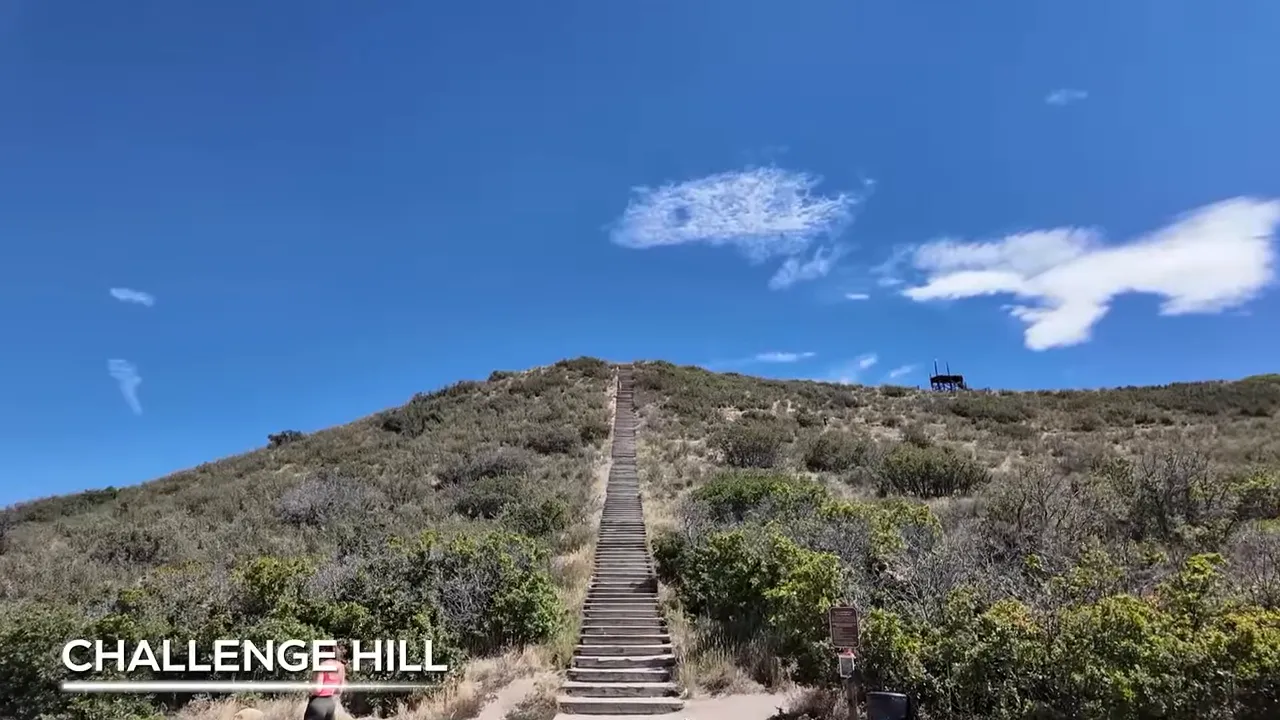
Then there’s Philip S. Miller Park, which adds a whole different dimension. This park includes sports fields, playgrounds, an amphitheater, a zipline course, and one of the coolest local fitness features around: Challenge Hill.
Challenge Hill has 200 wooden steps climbing nearly 180 feet. It’s basically Castle Rock’s outdoor stair workout, and the payoff is a set of panoramic views that make the effort worth it, especially early or late in the day.
Castle Rock also has around 40 miles of trails, many tied into the East-West Regional Trail System. Add in Festival Park downtown, frequent farmers markets, holiday events, concerts, and community gatherings, and the town starts to feel very livable very quickly.
Typical pricing: median home price around $650,000. New patio homes and townhomes may start in the $500,000 to $600,000 range, while larger homes with views and more space can go much higher.
For people moving to Denver CO who want history, community events, and strong outdoor access without giving up neighborhood charm, Castle Rock checks a lot of boxes.
Littleton, CO Neighborhoods
Littleton is one of the more underrated options in the metro, especially for anyone who wants character and transit in the same package.
It’s about 11 miles southwest of downtown Denver near Belleview Avenue and Santa Fe Drive. What makes Littleton stand out is its blend of older homes, established streetscapes, and practical access to the city.
This is the kind of place where you’ll find Victorian and Mission-style homes mixed with bungalows, cottages, and newer homes that still fit the neighborhood. There are mature trees, rolling streets, and a sense that the community has grown naturally over time instead of appearing overnight.
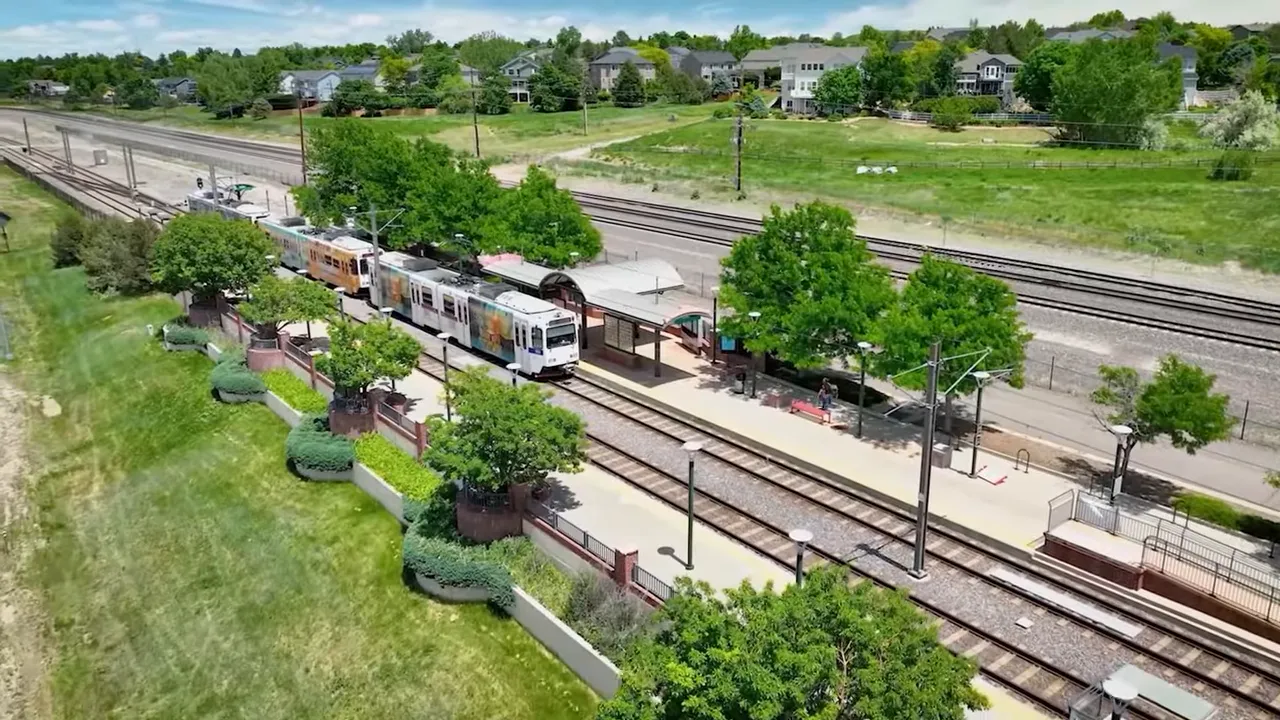
That alone would make it appealing, but Littleton also has two light rail stations: Littleton Downtown and Mineral. If commuting downtown matters to you, the D Line can get you to Union Station in about 45 minutes. That makes Littleton one of the few historic-feeling communities in the metro where you can realistically rely less on your car.
There’s also plenty of outdoor recreation nearby. Parks, lakes, green spaces, and casual places to spend a Sunday make it easy to enjoy the area without needing a huge plan. It’s a nice balance between established neighborhood life and accessible recreation.
One reason Littleton stays somewhat under the radar is that people often assume it’s either too expensive or too sleepy. In reality, compared with some of Denver’s more famous in-town neighborhoods, it can offer a lot of value.
Typical pricing: median home price around $620,000. Some older or smaller homes may still come in under $550,000, and there are modern townhomes and updated properties as well.
If your idea of living in Denver CO includes tree-lined streets, neighborhood pride, walkability, and transit access, Littleton is a strong contender.
Centennial, CO Suburbs
Centennial is interesting because it feels intentional. Incorporated in 2001 from what had previously been unincorporated Arapahoe County, it’s a newer city that had the chance to think more carefully about how suburban living should work.
That planning shows up in the layout, the amenities, and the way the community pieces fit together.
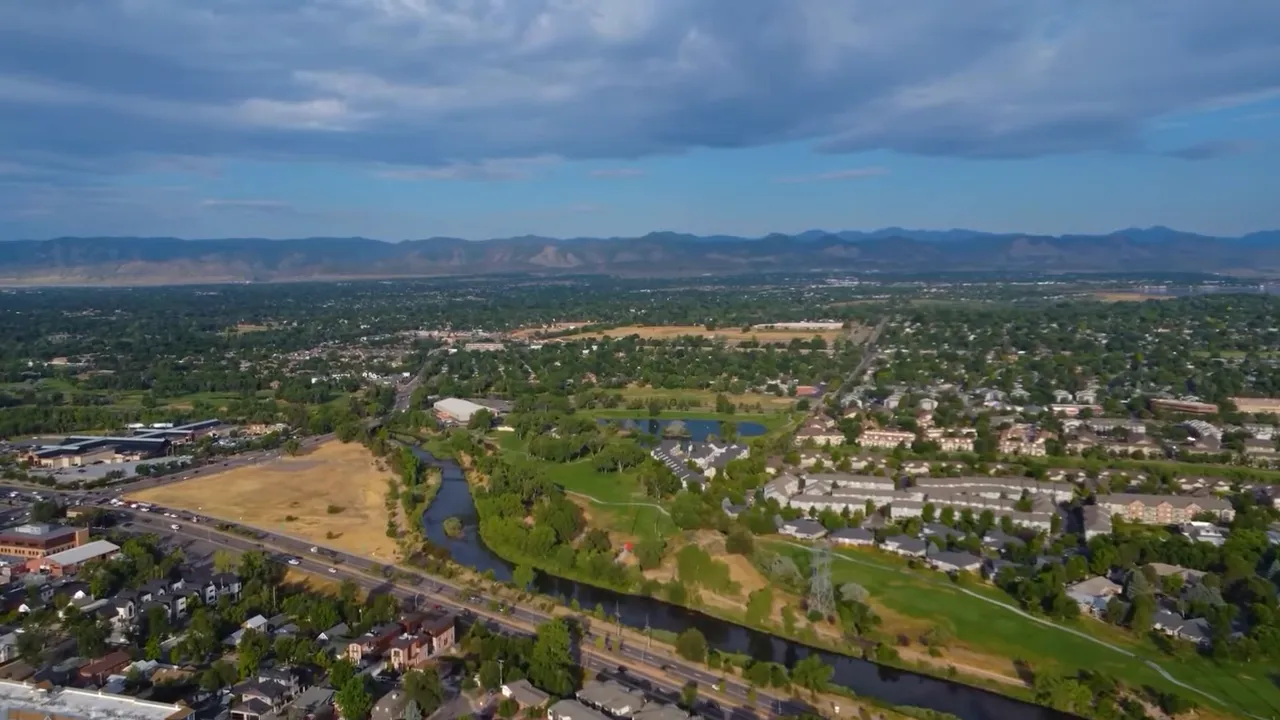
Centennial includes 14 community parks and about 25 miles of multi-use trails maintained by the South Suburban Park and Recreation District. The trail and park system feels connected rather than random, which is exactly what you want from a suburban area trying to make daily life easier.
One major advantage here is proximity to Cherry Creek State Park and its 880-acre reservoir just a couple of miles north. That gives residents access to boating, paddle boarding, and water recreation without needing a long drive into the mountains.
Centennial Park itself works as an 11-acre civic hub with public art, an amphitheater, a playground, and a splash pad. It’s one of those features that makes a community feel lived in and family-friendly rather than purely residential.
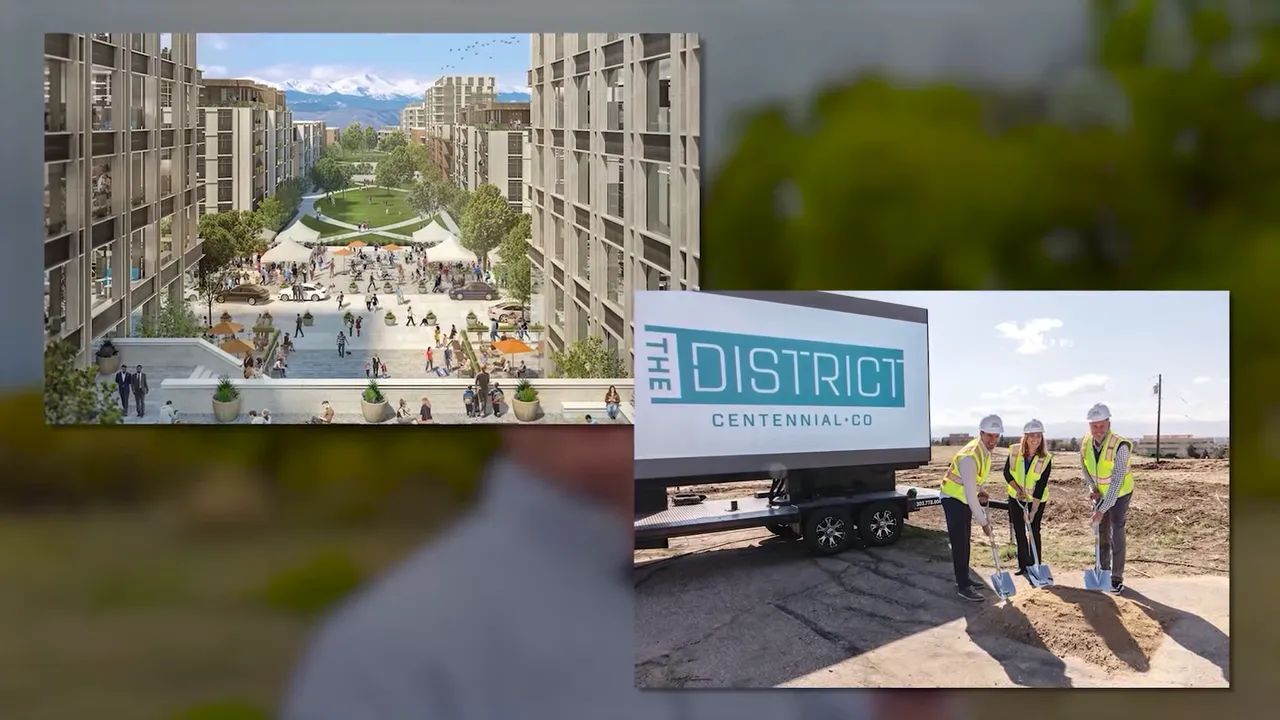
There’s also a big mixed-use vision in place, with millions of square feet of approved retail, office, and residential space in a more walkable grid. Instead of just repeating suburban sprawl, Centennial has been working toward places where living, shopping, and working happen in closer proximity.
For families, schools are a major draw. Centennial is served by both Cherry Creek and Littleton school districts, which are among the top-ranked districts in the state.
Typical pricing: median home price around $685,000. Ranch-style single-family homes often start around $600,000, with townhomes below that and larger homes around $1 million and up.
If you’re moving to Denver CO and want a suburb that feels efficient, practical, and well thought out, Centennial is easy to appreciate.
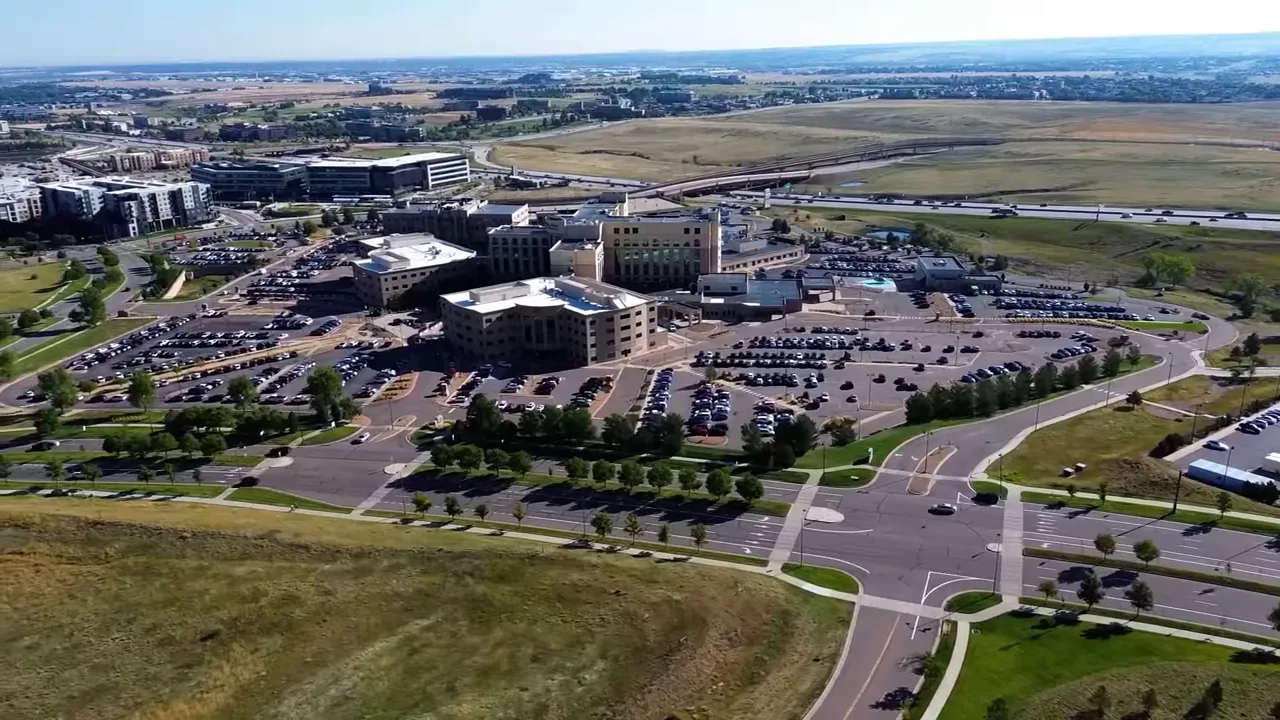
Lone Tree, CO Luxury Living
Lone Tree is one of the smartest places to consider if you want higher-end living without ignoring the math.
The detail a lot of people miss is the property tax benefit. Lone Tree has areas with unincorporated Douglas County status, which can mean lower property tax rates compared with places in Denver County. On luxury homes, that difference can add up fast. That is not the flashy part of a home search, but it’s the kind of thing that matters more and more over time.
Location-wise, Lone Tree is about 16 miles south of downtown Denver, around a 23-minute drive on I-25 in good conditions. It also has excellent transit access with three E Line light rail stops: Sky Ridge, Lone Tree City Center, and RidgeGate Parkway.
There’s even a local service called Link that offers free shared rides within city limits, making it easier to get to stations, run errands, or move around town without always driving.
On the lifestyle side, Lone Tree leans more upscale. Many homes back to the Lone Tree Golf Club, which gives certain neighborhoods scenic fairway views. Park Meadows, often described as more of a retail resort than a standard mall, brings a major concentration of shopping and dining with more than 180 stores and restaurants.
The Lone Tree Arts Center adds another layer, with a 500-seat theater hosting plays, concerts, and community events. That kind of cultural amenity is not something every suburb can offer.
Typical pricing: average sold price around $1.1 million. Homes also tend to move quickly here, with many going under contract in around 15 days.
For buyers moving to Denver CO who want convenience, transit, upscale housing, and better tax efficiency than they may find elsewhere, Lone Tree stands out in a big way.
Cherry Hills Village, CO Estates
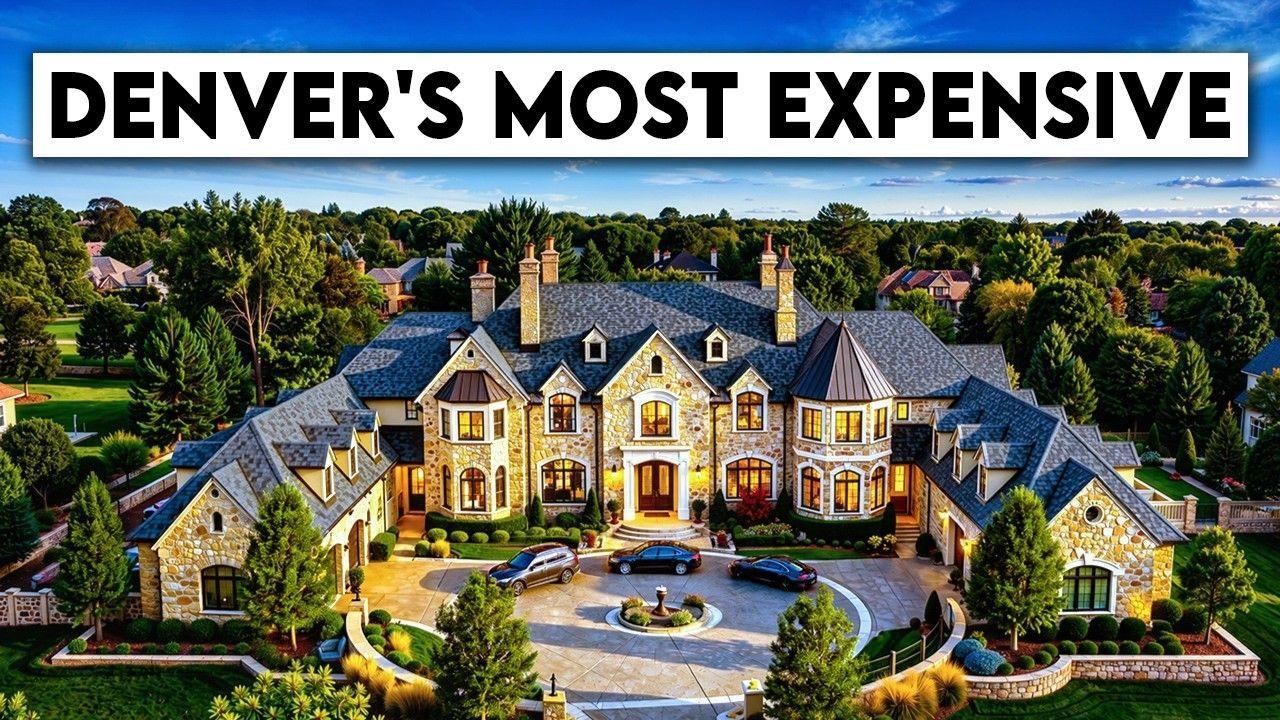
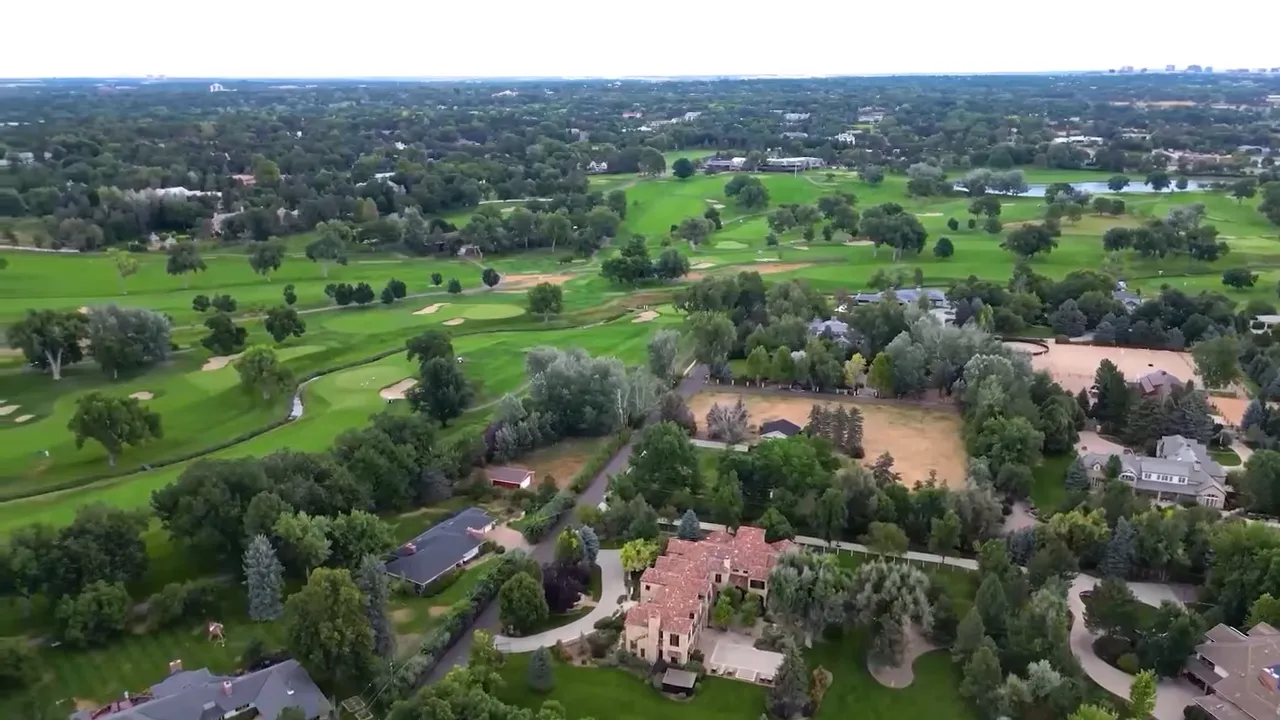
If Lone Tree is upscale, Cherry Hills Village is a completely different tier. This is the pinnacle of luxury in the Denver area, the place associated with major athletes, executives, and people who want estate living close to the city.
It’s only about 7.6 miles south of downtown Denver along University Boulevard, which means the drive can be surprisingly short. That proximity is part of what makes it so desirable. You get serious privacy and land while staying close to the city core.
The lot sizes are a major part of the story. Homes typically sit on one to ten acres, and strict setbacks help preserve a private, spacious feel. There are no sidewalks by design, which reinforces the secluded country-estate atmosphere.
Another defining characteristic is the lack of commercial clutter. Cherry Hills Village keeps tight restrictions on business development, so you do not have the usual suburban mix of gas stations, fast food, and strip centers interrupting the streetscape.
The area also has legacy prestige. Cherry Hills Country Club has hosted three U.S. Open Championships, and the neighborhood has long been a destination for Denver’s highest-profile residents.
Typical pricing: median sales price around $3.7 million, with trophy estates ranging from roughly $5 million to $20 million. Architecture spans everything from French country and Georgian revival to ultra-modern custom homes.
Inventory is naturally limited, and that exclusivity is part of the draw. If your version of living in Denver CO is ultra-private estate living with downtown access, there really aren’t many places that compare.
Which Denver CO Area Fits You
The right answer depends on what matters most to you. That’s really the whole point.
- Choose Highlands Ranch if you want a trail-heavy, amenity-rich suburban environment.
- Choose Parker if you want small-town charm and family-friendly recreation.
- Choose Castle Rock if you want historic character with strong outdoor energy.
- Choose Littleton if you want mature neighborhoods and light rail access.
- Choose Centennial if you want smart planning, good schools, and practical convenience.
- Choose Lone Tree if you want upscale living with a property tax angle worth noticing.
- Choose Cherry Hills Village if you want elite privacy and true estate-level luxury.
That’s why moving to Denver CO should never be treated like a one-size-fits-all decision. The metro is broad enough that your daily experience can look wildly different depending on where you land.
And that’s the good news. If you’re thoughtful about how you want to live, not just where you want to sleep, there’s a much better chance you’ll end up in the right place the first time.
SEARCH FOR NEW HOMES IN THE GREATER DENVER AREA
FAQs Moving to Denver CO
What Is The Best Area For Moving To Denver CO If I Want Trails And Outdoor Access?
Highlands Ranch is one of the strongest options for trail access, with more than 70 miles of connected trails, 26 parks, and extensive open space. Castle Rock and Parker are also strong picks if outdoor recreation is high on your list.
Which Area Is Best For Small Town Charm Near Denver?
Parker stands out for small-town charm thanks to its historic downtown, local shops, arts center, and authentic Main Street feel. Castle Rock also offers a strong sense of character, especially if you like historic buildings and community events.
Where Should I Look If I Need Transit Access While Living In Denver CO Metro Areas?
Littleton is especially appealing for transit because it has two light rail stations and a historic, established feel. Highlands Ranch and Lone Tree also offer strong light rail access for commuting toward downtown.
What Is A Good Luxury Option For Moving To Denver CO Without Ignoring Taxes?
Lone Tree is a smart place to consider. In certain areas, the unincorporated Douglas County status can mean lower property tax rates than you may find in Denver County, which can make a meaningful difference on higher-end homes.
What Is The Most Exclusive Luxury Community On This List?
Cherry Hills Village is the most exclusive option here. It offers large estate lots, strict privacy-focused development standards, limited inventory, and a long-standing reputation as one of the premier luxury communities in the Denver area.
Is Moving To Denver CO Better In A Historic Area Or A Newer Planned Community?
That depends on your priorities. If you value mature trees, older architecture, and a sense of history, Littleton and Castle Rock are great choices. If you prefer highly organized amenities, connected parks, and newer planning, Highlands Ranch and Centennial may fit better.
If you’re narrowing down options for moving to Denver CO, the best next step is to compare these areas based on your actual lifestyle, budget, commute needs, and priorities. That’s where the right decision becomes a lot clearer.
If you’d like help narrowing down which of these areas fits your exact lifestyle (commute, budget, schools, trails, and more), I’d love to chat. Call or text me, Gary Bradler at 720-613-8710 and we’ll talk through your move in a quick, no-pressure conversation.
READ MORE: Future Developments In Denver: Massive Projects Reshaping The City

Gary Bradler
Gary is your trusted partner in the residential real estate market of Denver, Colorado. With years of experience, he is dedicated to helping buyers, sellers, and investors navigate the dynamic landscape, whether you’re a first-time buyer or a seasoned investor.
WATCH THE LATEST VIDEOS