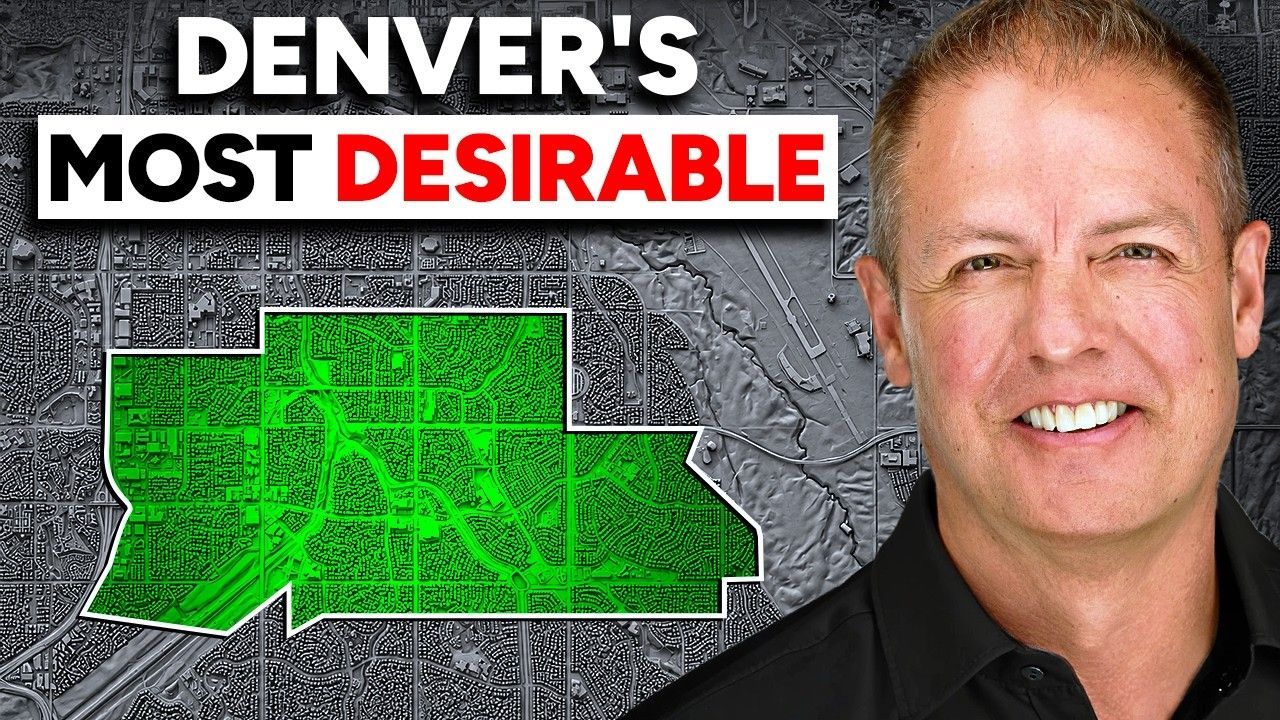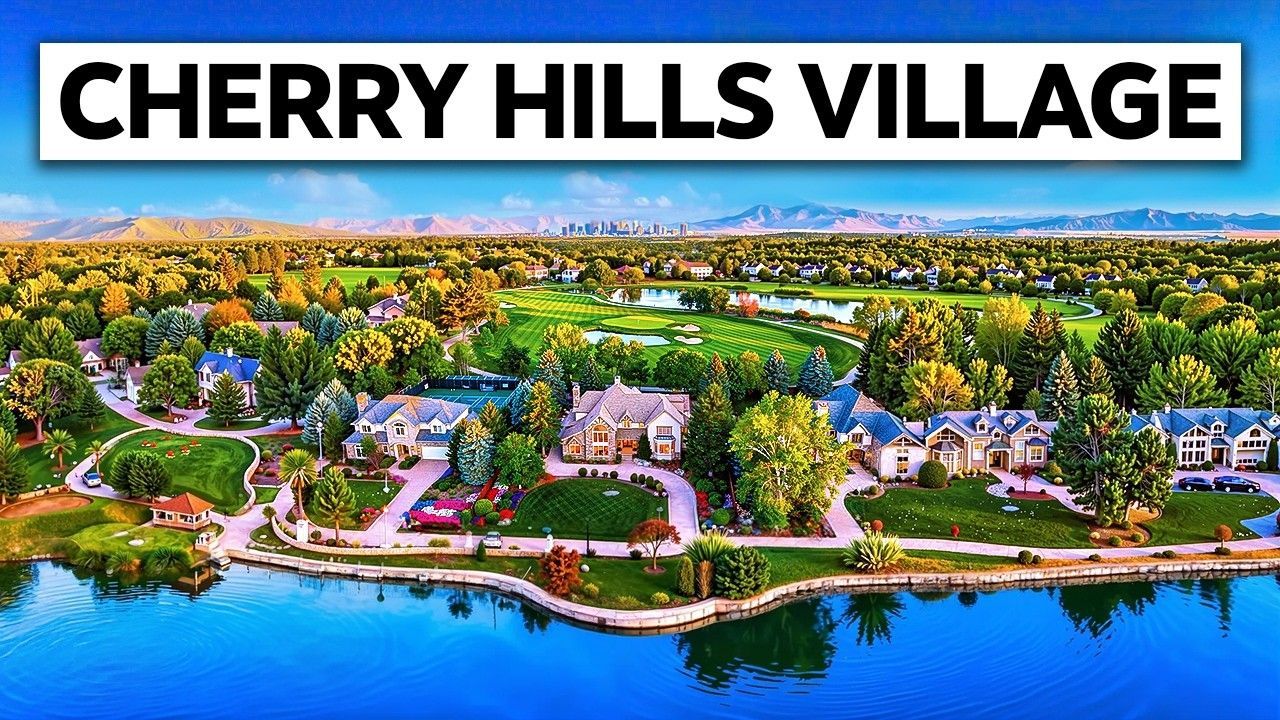

Where to Live in Denver, CO for the Highest ROI in 2026: Top Neighborhoods for Growth and Stability
There is a very real pattern we keep seeing in Denver CO real estate, and it usually shows up the same way. The best buyers do not just react to whatever the market chart says last year. They buy ahead-of-it, in neighborhoods where the “why” is already working but the crowd has not fully shown up yet.
That is the difference between getting a nice return and getting the kind of ROI that holds up even when interest rates, headlines, and buyer sentiment change. In this guide, we are breaking down where to live in Denver CO if your goal is the highest ROI in 2026, based on jobs, lifestyle, supply constraints, and affordability versus demand.
Quick note on language around ROI. We do not need to make this complicated. The ROI question is simple:
- Did the home go up in value?
- Did it hold value when things got tougher?
- Did the area keep attracting people who want to live there?
If you can say yes to those three questions, you are usually looking at “good ROI,” not just a temporary price spike.
Table of Contents
- Why Denver CO ROI Works Differently Than Most Places
- Market Conditions in 2026 That Matter for Buyers
- Where to Live in Denver CO for Highest ROI in 2026: Three Categories
- Category 1 Prime ROI Corridors
- Category 2 Emerging ROI Markets
- Category 3 Blue-Chip Stability (Safest Bets)
- What This Means for 2026 If You Want the Right ROI Strategy
- The Big Takeaway: In Denver CO, Geography Protects Value
- FAQ
Why Denver CO ROI Works Differently Than Most Places
Denver’s real estate behavior is strongly shaped by three things.
1 Jobs move demand
Where workers decide to live, demand follows. Colorado is expected to add roughly 17,500 jobs, and when more people work in the metro, their housing choices flow into nearby neighborhoods and suburbs.
2 Lifestyle locks in buyers
Denver buyers tend to care about the same “non-negotiables” year after year:
- Good schools
- Outdoor access
- Commuting that does not make them miserable
When neighborhoods check those boxes, they hold value better than places that do not.
3 Supply constraints are Denver’s secret advantage
Denver has mountains to the west, the airport to the east, and established neighborhoods in between. That geography limits land. When supply cannot expand the way demand does, prices do not usually crash the way they can in cities where land is more freely available.
That supply story matters in two directions.
- Prime and stable markets have limited remaining land.
- Emerging markets can grow because they are earlier in the cycle, but their location still feeds demand through jobs, commute upgrades, and new development.
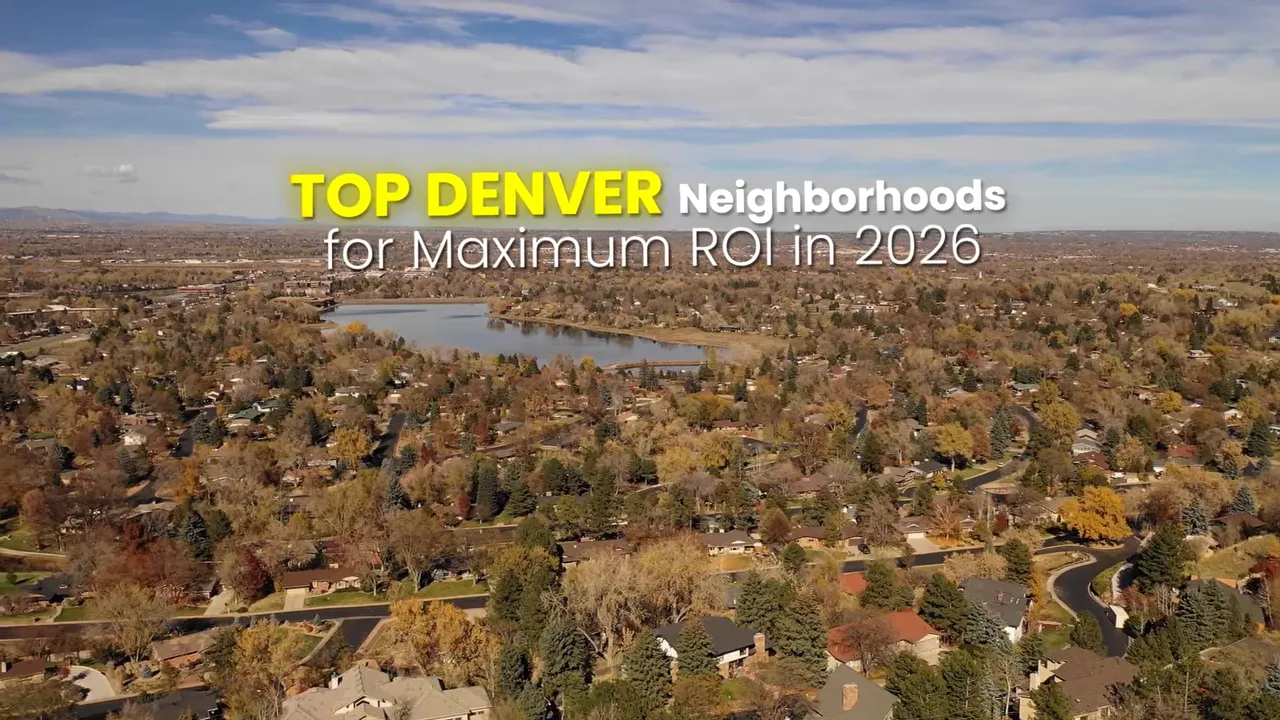
Affordability versus demand creates upside
The highest ROI is not always in the priciest ZIP code. Sometimes it is in the place where prices have not fully caught up to what buyers are actually willing to pay yet. That “gap” is often where upside lives.
Market Conditions in 2026 That Matter for Buyers
We can have all the “right neighborhoods” and still lose money if we ignore timing and financing conditions. Here is what is relevant right now for buyers in Denver CO.
- Mortgage rates are sitting around 6 percent, near the lowest level in almost three years.
- Pending contracts in February are up about 8 percent year-over-year.
- Inventory is higher than last year, up about 16 percent in the metro.
- Homes take longer to sell, roughly 60 to 90 days in many areas.
Translation: buyer leverage is real, and the market has room for negotiation. At the same time, favorable rates and rising pending activity suggest the “wake-up” phase is underway, not fading out.
Where to Live in Denver CO for Highest ROI in 2026: Three Categories
To make this usable, we are organizing neighborhoods into three categories based on the kind of return you are aiming for.
- Prime ROI Corridors: the best blend of demand strength and limited supply. Usually more “defensible” than emerging plays.
- Emerging ROI markets: earlier, higher upside, and more potential for pricing to catch up as infrastructure and development land.
- Stable blue-chip areas: they may not spike wildly, but they tend to hold value because supply is extremely limited and demand is durable.
Ready to pinpoint the neighborhood strategy that fits your timeline for 2026 ROI? Call or text us at 720-613-8710 and we’ll help you compare prime, emerging, and blue-chip options based on demand, supply, and leverage.
Category 1 Prime ROI Corridors
Think of prime ROI Corridors like this. Imagine buying in 2016 in a neighborhood that appreciated closer to 40 percent while the rest of Denver moved more like 25 percent. That kind of gap usually comes from supply constraints working before everyone else fully understands the “why.”
These are areas where demand stays strong and supply stays more limited.
Highlands Ranch
Highlands Ranch is a massive master-planned community that has been developing since the early 1980s and is basically built out by now. That matters. When there is not much land left for new homes, price pressure on the downside is less likely because supply cannot expand quickly.
Why ROI can be strong
- Top schools(Rock Canyon, Mountain Vista)
- Low turnover because families often stay for the schools
- Major amenities including four recreation centers, 70 miles of trails, and over 2,500-acres of open space
- Backcountry wilderness access with an 8,200-acre area that is mountain bike friendly and often a big “stay here” factor
Pricing context: median sale price is roughly $695,000 to $715,000, down a few percent year-over-year, which can create negotiation room compared to previous years.
Castle Rock
Castle Rock is one of those suburbs where 2026 may be one of the most important years in its recent history. It has been named one of the fastest growing suburbs in the nation, and the development pipeline is not subtle.
Median sale price is around $630,000, also down a bit year-over-year, which can make timing attractive for buyers who have been waiting.
The “real story” is large scale development activity, including:
- The Brickyard: a roughly $400 million development on the west side of I 25
- A planned 145,000 square foot sports center funded by the town
- A four-star hotel
- Six new restaurants
- Over a quarter-million square feet of retail and office space
- Hundreds of new homes
And further south, Dawson Trails is planned as an additional massive development with thousands of homes and millions of square feet of commercial space.
ROI idea: Castle Rock is not mature and fully built out. It behaves more like an emerging powerhouse with real development backing it. That combination tends to pull demand in as the commercial base grows.
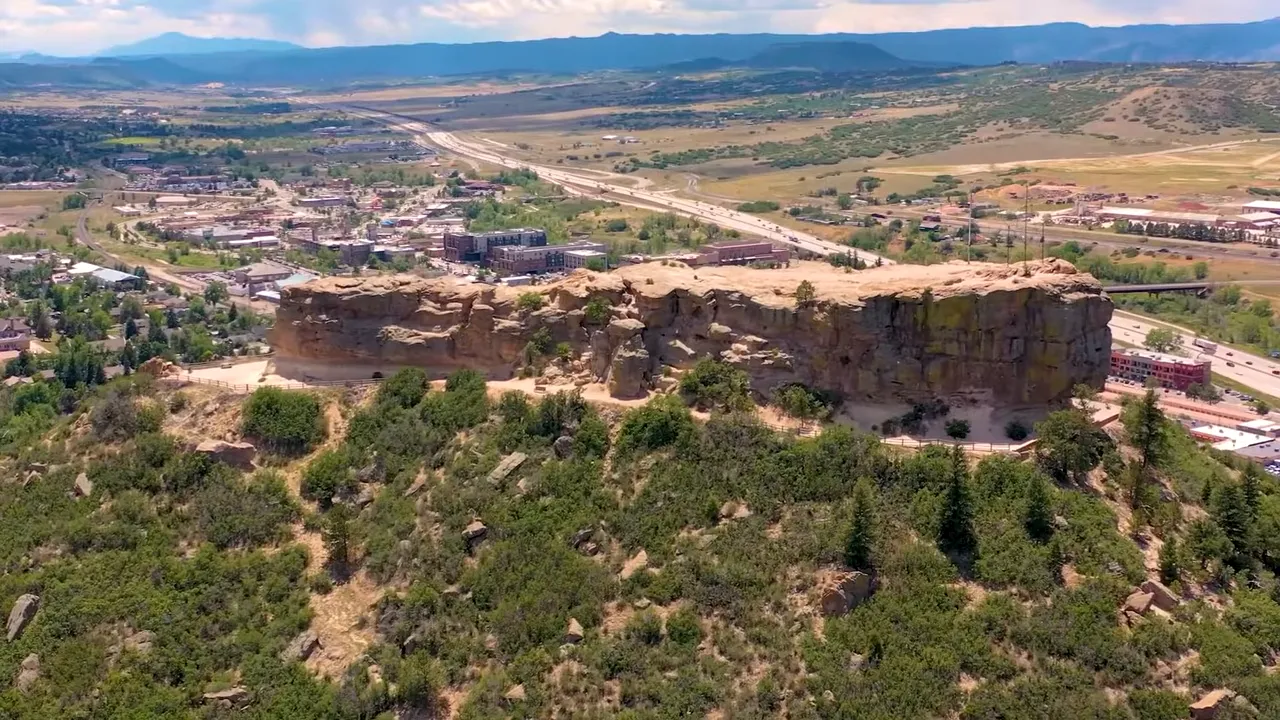
Lone Tree
Lone Tree is a high-income pocket that often looks expensive on the surface, but it makes sense when you connect it to jobs and supply limits.
Job engine: Lone Tree sits next to the Denver Tech Center, one of the major job hubs in the entire metro. That brings consistent demand from tech executives, healthcare professionals, and finance workers.
Supply constraint: there is almost no land left to build on, and the development that does exist is limited. Even the fact that a builder purchased a small parcel for new homes underlines how tight the supply situation is.
ROI angle: supply limits plus steady demand from high earning buyers can help protect against wider market swings.
Castle Pines
Castle Pines is the quieter luxury option in this category, with a median sale price around $900,000 and roughly up 3 percent year-over-year, which stands out when many areas are flat or down.
Why stability is different here
- Gated communities and luxury homes with large lots
- Smaller community size limits supply
- Buyer pool consists of high-income relocators and executives
The investment takeaway: these buyers typically are not “stretching” to make a mortgage payment, and they are less likely to bail if interest rates move or the economy gets rough.
Category 2 Emerging ROI Markets
Emerging ROI markets are where smart buyers show up early. The goal is not just to buy a home. The goal is to buy the right home before the neighborhood story becomes mainstream.
Because once everyone reacts to the new chart, the best upside is often already gone.
Rule of thumb: being early is usually the best move.
Erie
Erie sits in Boulder County, so you get access to Boulder County lifestyle and amenities, but at a price that is meaningfully lower than many Boulder and Louisville options.
Median home price: about $770,000.
Erie also benefits from housing stock that fits what young families want: newer homes built after 2000 and mostly big single-family layouts.
Why the gap matters
- 87 percent owner-occupied for steadier demand patterns
- Pricing gap between Erie and neighbors is still there, but it is closing
The core bet: once that gap fully closes, the “early deal” part is often over.
Thornton
Thornton is affordable compared with many northern suburbs, and that affordability is what draws buyers when activity starts shifting north.
Population and growth: roughly 140,000 residents today and continuing to grow.
What is happening underneath: a new development code rolled out in late 2025, and major projects are moving forward. In many markets, commercial investment tends to show up two to three years before home prices catch the wave.
Home prices: around $520,000, which is significantly more affordable than most of Denver and many northern suburbs.
Pattern we see
- Commercial investment arrives
- Population grows
- Housing demand rises
- Prices catch up
Timing note: pending contracts across the Denver metro were up about 8 percent year-over-year in February, and that activity is already starting to reach markets like Thornton. That means the “ahead-of-it” window may be shorter than it looks.
Aurora Highlands and the E-470 corridor effects
One thing many buyers miss is how a single infrastructure change can reshape commute times, which then changes demand immediately.
A specific example: a new interchange opened at E-470 and 48th Avenue. Even though it sounds like an unexciting detail, shorter commutes usually mean more housing demand over time.
That sets up the appeal of Aurora markets connected to E-470 access, including:
- Aurora Highlands: a 4,000-acre master-planned community with a 900-acre golf course community
- Plans for thousands of new homes
- Close proximity to DIA as the airport continues expansion, supporting demand from airline workers and frequent travelers
- Prairie Point near Parker Road and E-470, scheduled to go on sale in 2026 with major builder involvement and starting prices around the $450,000 range
Buyer leverage: Aurora currently has some leverage, including price softness across many ZIP codes, and it can attract spillover demand as other areas like Centennial and Parker get harder to afford.
Parker select pockets
Parker is one of those towns that just keeps growing. The median price is around $650,000, down about 5 percent year-over-year, and for a popular town, that is worth paying attention to.
Why there is upside: the right pockets in Parker can still be priced below what demand suggests. The town is investing in:
- Historic main street improvements
- More retail
- Townhomes and condos
- Restaurant and walkability upgrades
- Strong schools
Important: not every part of Parker has the same upside. It is naturally hemmed in by open space and existing development, so the best opportunity usually requires being selective about the pocket you buy.
Category 3 blue-chip Stability (Safest Bets)
Let’s talk about the kind of neighborhood many investors secretly want but do not always say out loud.
What is worth more?
- A place that spikes 15 percent in a good year
- Or a place that rarely falls below about 8 percent in weak markets
These “safest bets” may not deliver huge yearly spikes, but they often avoid big downside because demand is constant and supply is limited.
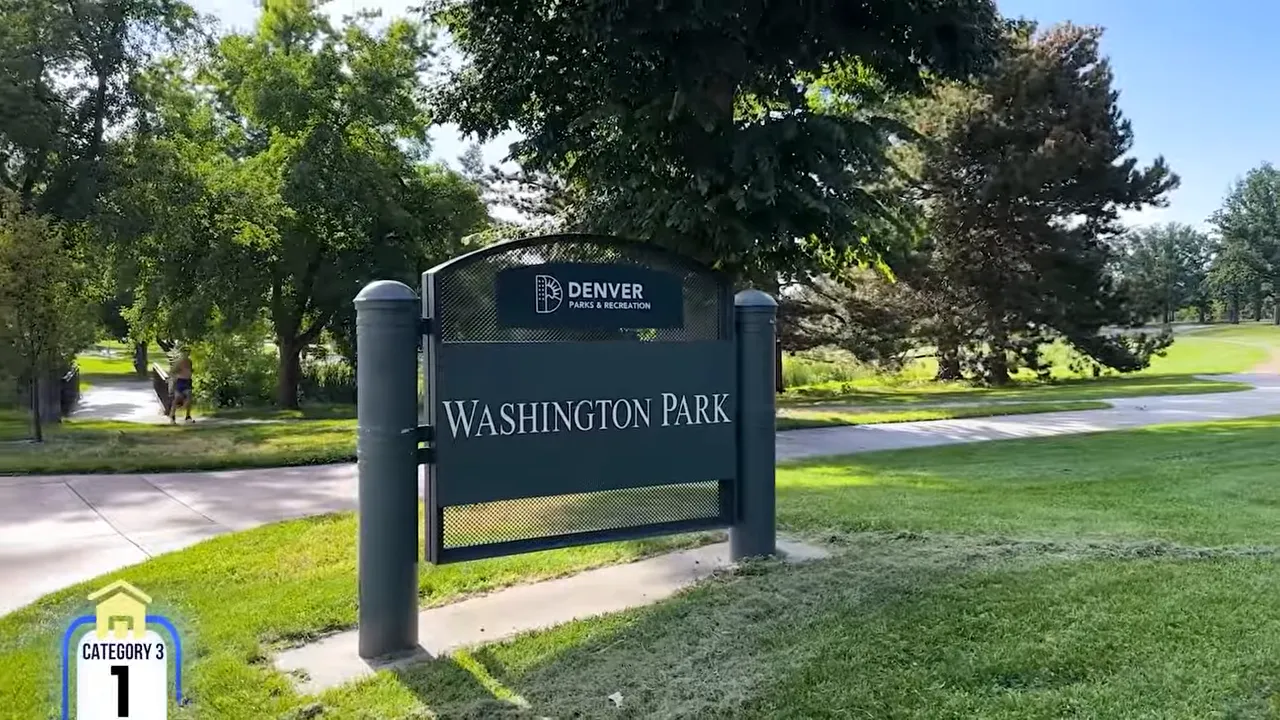
Washington Park
Washington Park has two lakes, beautiful trails, manicured gardens, and over 150-acres of park right in the middle of the city. That is not a trend. It is a permanent feature.
Median sale price is over $2 million.
Why it holds: the number of homes surrounding the park is fixed, and demand has been steady for decades.
Cherry Creek
If you want the clearest example of zero land and permanent high demand, Cherry Creek is it.
Median list price: about $1.6 million.
Current activity: around 81 active listings.
Who buys here: high-income earners, including many cash buyers and relocation buyers from California or the East Coast.
Retail health: retail vacancy is about 1.4 percent, basically full, and the shopping centers are investing in upgrades.
The biggest stability driver: there is nowhere to build in Cherry Creek. Zero vacant parcels means any “new” residential development is basically scrape and rebuild, which is complicated, expensive, and slow.
That supply constraint is permanent, and that is why Cherry Creek tends to hold rather than bubble or crash.
Littleton
Littleton is a lower entry point for stability, with a median price around $646,000.
It was ranked the number one Denver suburb in 2024 by 5280 Magazine.
Why people stay
- Historic main street with real character
- Great schools
- About a 24-minute drive to downtown Denver
- Easy access to the foothills, a Colorado priority that never goes away
Investment strength: Littleton has a wide buyer pool. You get young families, downsizers, and relocating professionals. When one group slows down, others can keep demand steady, which creates stability over time.
What This Means for 2026 If You Want the Right ROI Strategy
Here is the practical way to choose your strategy in 2026, based on how much risk you want to take and whether you want to be early.
If you want low risk and long term stability:
- Highlands Ranch
- Castle Rock
- Lone Tree
- Castle Pines
If you want higher upside and you are okay being early:
- Erie
- Thornton
- Aurora’s E-470 corridor and related developments like Aurora Highlands
- Select pockets in Parker
If you want a blue-chip asset that holds value no matter what:
- Washington Park
- Cherry Creek
- Littleton

The Big Takeaway: In Denver CO, Geography Protects Value
Denver works a little differently than almost every other city in the country. We have mountains to the west, DIA to the east, and established neighborhoods that lock in supply everywhere in between.
That geography protects values, and it is why picking the right neighborhood matters more than trying to “time the market.” The smartest move in 2026 is positioning before spring tightens activity and inventory pressure returns.
Buyers who get the best results usually do two things well:
- They choose the category that matches their goals (stable, prime, or emerging).
- They buy in the right spot within that neighborhood, not just anywhere inside the boundary.
View Homes For Sale in Denver, CO
FAQ
Is high ROI in Denver CO only about picking a neighborhood?
Neighborhood choice matters, but the location within the neighborhood matters too. Even in places like Parker, the upside is not uniform. The best results come from matching your strategy to the right category and then buying within the right pockets where supply, demand, and lifestyle reinforce each other.
How do we measure ROI in real estate without getting too technical?
We look at three things: whether the home goes up in value, whether it holds value during tougher periods, and whether the area keeps attracting people who genuinely want to live there.
Why do some Denver neighborhoods stay stable even when the market feels weak?
Stable areas often have limited or zero buildable land. When supply is constrained permanently and demand is consistent, prices tend to hold instead of bubbling or crashing.
What makes emerging markets like Erie and Thornton different?
Their upside is tied to timing. They are positioned for growth as buyers start recognizing value and as infrastructure and commercial investment drive the demand cycle. The key is getting in before the crowd fully prices it in.
Should we focus on mortgage rates or neighborhood fundamentals first?
Both matter. Neighborhood fundamentals drive long term demand and value, while mortgage rates and inventory determine how much negotiating power you have today. In 2026 conditions, buyer leverage is present, but the market is also starting to wake up, so fundamentals plus timing together tend to win.
What are the best options if we want low risk and stability?
Highlands Ranch, Castle Rock, Lone Tree, and Castle Pines fit the low risk and long term stability approach, with Washington Park, Cherry Creek, and Littleton as blue-chip stability picks.
READ MORE: Best Denver Suburbs to Live In: Top Areas Compared

Gary Bradler
Gary is your trusted partner in the residential real estate market of Denver, Colorado. With years of experience, he is dedicated to helping buyers, sellers, and investors navigate the dynamic landscape, whether you’re a first-time buyer or a seasoned investor.

WATCH THE LATEST VIDEOS