
Future Developments In Denver: Massive Projects Reshaping The City
Table Of Contents
- Introduction: Future Developments In Denver Overview
- DIA Airport Expansion In Denver CO
- 16th Street Revitalization In Downtown Denver
- Sun Valley Riverfront Redevelopment In Denver
- The River Mile And Denver’s Changing Identity
- World Trade Center Denver At Fox Park (Globeville)
- East Colfax BRT Transit Project In Denver CO
- Cherry Creek West Luxury District In Denver
- National Western Center Expansion In Denver CO
- Parks, Trails, And Connectivity Projects In Denver
- Sustainability Trends In Future Developments In Denver
- New Broncos Stadium At Burnham Yard In Denver
- Best Areas To Watch For Growth In Denver CO
- FAQs About Future Developments In Denver
- Final Thoughts On Denver’s Growth And Future Developments
Introduction: Future Developments In Denver Overview
Denver is heading into one of its biggest transformation cycles in decades. From airport upgrades and riverfront redevelopment to transit improvements, luxury mixed-use districts, new parks, and a future Broncos stadium, the future developments in Denver are adding up fast.
And we are not talking about one or two headline projects. We are talking about nearly $10 billion in major activity that will reshape how people move through the city, where they gather, where they live, and what parts of Denver become the next hot spots. If you care about living in Denver CO, investing here, or simply understanding where the city is headed, 2026 is a pivotal year.
What stands out most is that these projects are not isolated. They connect. Transit supports housing. Parks support redevelopment. River restoration supports identity. Downtown upgrades support business recovery. All together, the future developments in Denver point to a city that is becoming more connected, more walkable, more year-round, and a lot more ambitious.
SEARCH FOR NEW HOMES IN THE GREATER DENVER AREA
DIA Airport Expansion In Denver CO
One of the biggest future developments in Denver is happening at Denver International Airport. The airport is in the middle of a $2.1 billion expansion, and this is not just a cosmetic refresh. It is a major capacity and experience upgrade for one of the busiest airports in the country.
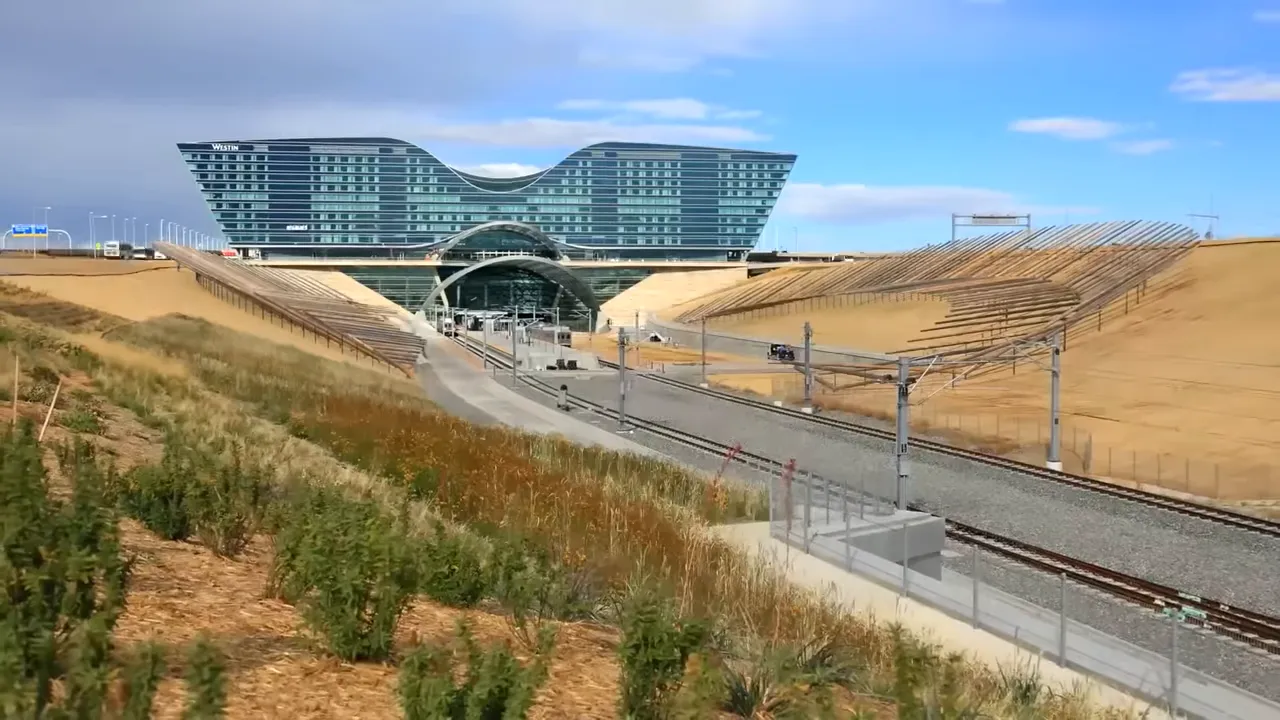
What is especially notable is that the completion phase is reportedly moving ahead of schedule, with a target of December 2027, roughly six months earlier than planned. That does not happen often on projects this size.
The East Security Checkpoints opened in August, increasing the number of security lanes from 34 to 46. If you have ever spent too much time inching through airport security, you already know why that matters.
The centerpiece is a new “living room” concept designed to make a stronger first impression for arrivals and a more comfortable experience for everyone else. A standout feature is a 60-foot art piece called Stars and the Cottonwood, which includes 30,000 Swarovski crystals. It sounds dramatic, and honestly, that is the point. Denver is clearly leaning into the idea that the airport is part of the city’s identity.
By 2028, DIA expects to handle about 100 million passengers annually. Even bigger, a separate long-range $12.8 billion expansion plan is already in motion to eventually support around 120 million passengers by the 2040s. For anyone thinking about the future developments in Denver, this is one of the clearest signals that the city expects sustained growth for years to come.
16th Street Revitalization In Downtown Denver
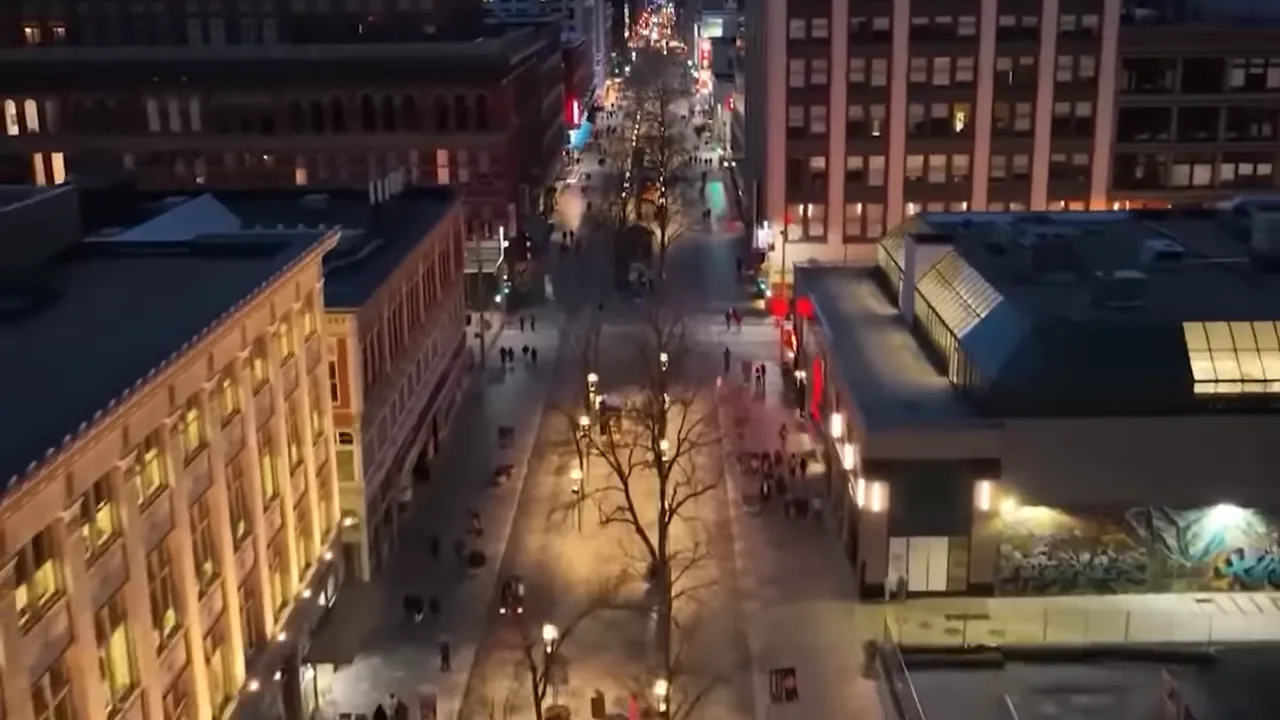
Downtown Denver is getting a reset, and one of the clearest examples is the reopening of the newly redesigned 16th Street. After a $175 million makeover, the corridor has fully reopened and even dropped the word “mall” from its name. That change is small on paper, but symbolically it matters. The city wants this place to feel less like a dated retail strip and more like Denver’s urban heart again.
The renovation includes:
- Center-running bus lanes for the free MallRide shuttle
- More than 20 new patios from restaurants and cafes
- Common consumption areas for drinks purchased from local businesses
- Wider sidewalks, roughly 10 feet wider on each side
- More than 200 new trees
- New lighting and more durable sustainable paving materials
One of the better details here is that the project came in at about 95% of budget. In a world where public works often go the other direction, that is worth noting.
The bigger question is whether these changes can help address downtown’s persistent storefront vacancy problem, which city leaders have put at around 30%. The hope is that the new layout, more events, more outdoor activity, and a generally stronger street experience will bring energy back to the corridor.
For people interested in living in Denver CO, this matters beyond aesthetics. A healthier downtown affects jobs, culture, transportation, nightlife, and the way the entire city is perceived.
Sun Valley Riverfront Redevelopment In Denver
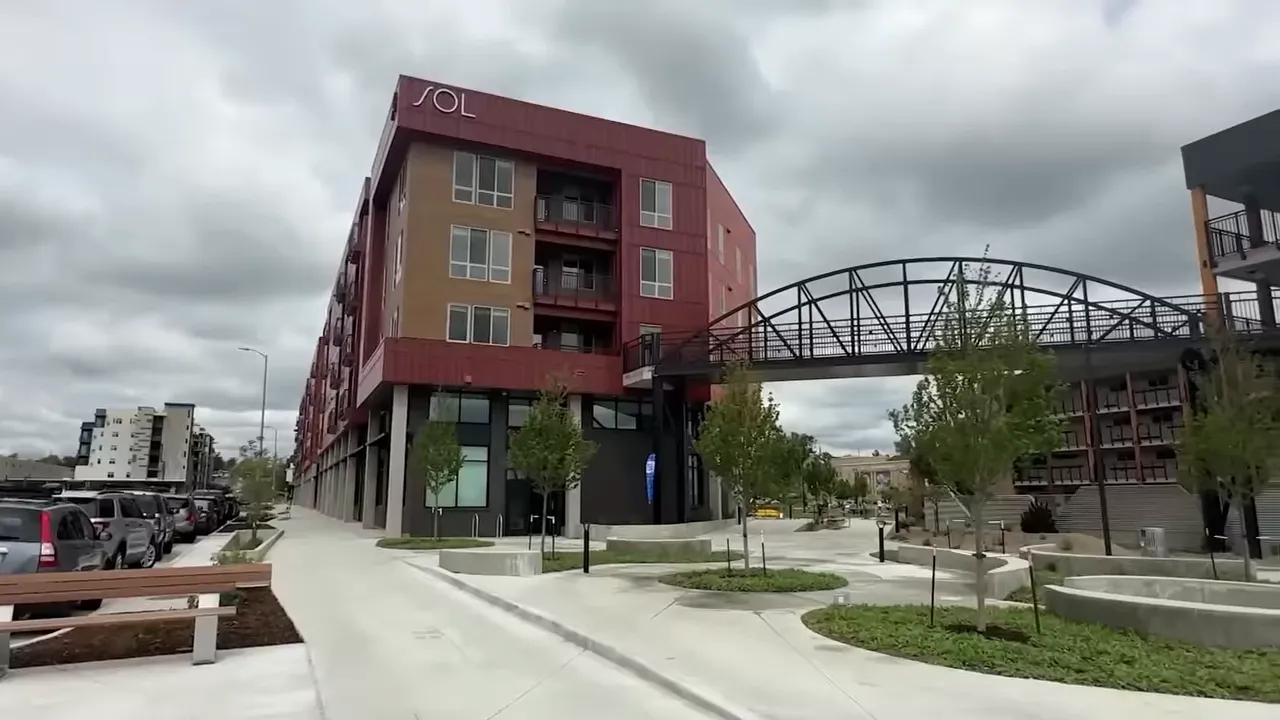
If there is one neighborhood that shows how the future developments in Denver are not just about flashy towers, it is Sun Valley. This is a major redevelopment effort built around housing, access, public space, and long-term neighborhood reinvestment.
Older housing is being replaced with new mixed-income homes across seven buildings. The financing story alone is impressive. The Denver Housing Authority combined $30 million in federal grants and $60 million in city bonds and leveraged that into more than $500 million in development.
Phase one of the 11-acre Sun Valley Riverfront Park breaks ground in 2026, with the first 5.5 acres opening later in the year. The area will connect directly to the South Platte River Trail and expand recreation options in a part of the city that has long been overlooked.
The Joli Apartments also opened in 2025, adding 82 new units. By the end of 2026, the area is expected to look dramatically different. This is exactly the kind of project that changes both the daily experience of residents and the long-term trajectory of a neighborhood.
The River Mile And Denver’s Changing Identity
Of all the future developments in Denver, this might be the one with the biggest identity shift attached to it.
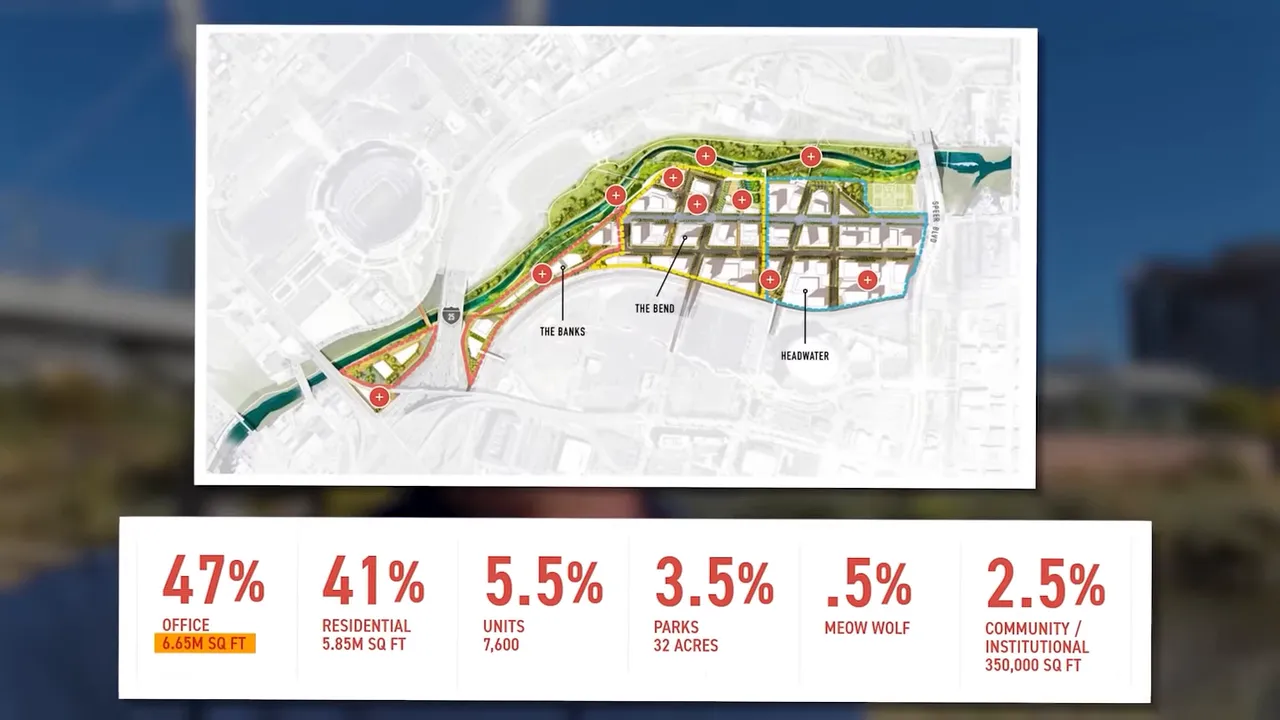
The River Mile is a plan to transform 62 acres along the South Platte River into a 15 million square foot mixed-use community. That is a city-shaping scale. The project is tied to land around Elitch Gardens, and Kroenke Sports and Entertainment took full ownership in 2025, giving the development more stability while keeping Elitch’s in place for now.
Here is what makes this so significant:
- 6.65 million square feet of office space
- 5.5 million square feet of residential space
- 7,600 housing units
- 32 acres of parks and open space
The river restoration portion was completed last year, and the first neighborhood, called Headwater, is expected to start taking shape in 2026 and 2027.
This is why people are starting to say Denver could become a true river city. For a long time, the South Platte has existed more as an edge or corridor than as the defining center of urban life. Projects like this can change that. If it works, the future developments in Denver will not just add buildings. They will shift how the city understands itself.
World Trade Center Denver At Fox Park (Globeville)
Another major project that could put Denver on a larger international business and entertainment map is the World Trade Center Denver at Fox Park in Globeville.
Vertical construction began in June 2025 on a 41-acre development planned across four phases. At full buildout, the project is expected to include:
- 3,400 residential units
- 14 acres of public parks
- A parking structure with about 480 spaces
- Fox Park Plaza designed with the Denver Botanic Gardens
- A 250-room Virgin Hotel
- A 2,500-person entertainment venue
- An attraction called Your World with indoor surfing, scuba diving, and ice climbing
Location is a huge part of the story. It sits right by the 41st and Fox station, which means easy access to downtown and other parts of the metro. If this project unfolds as planned, Globeville will be one of the neighborhoods most dramatically changed by the future developments in Denver.
East Colfax BRT Transit Project In Denver CO
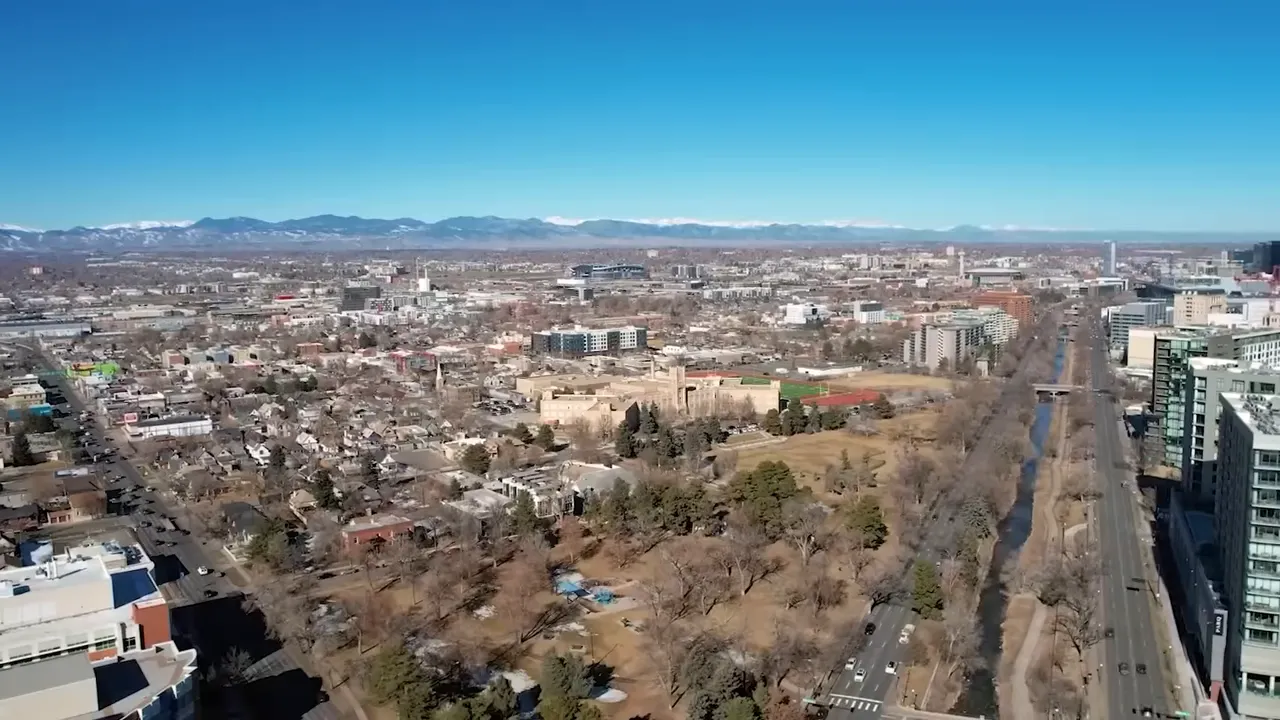
Transit is one of those things that can sound boring until you realize it changes home values, commute times, business activity, and neighborhood growth. The East Colfax Bus Rapid Transit project is a perfect example.
This is a $280 million investment that began construction in late 2024 and is expected to wrap up by mid-2027. The system is projected to cut travel times by about 35% and boost ridership by around 70%, serving roughly 2,200 riders per day.
The design includes 32 station arches for covered stations, with several already in place, and perhaps most importantly, bus-only lanes in the center of East Colfax from Broadway to Yosemite. That means less getting stuck in regular traffic and a more reliable transit experience.
For anyone evaluating the future developments in Denver through a real estate lens, transit corridors are always worth paying attention to. Areas near stations often become more valuable and more active once service is fully operational. West Colfax and surrounding areas could benefit substantially as this comes online.
Cherry Creek West Luxury District In Denver
Cherry Creek is already one of the city’s most polished and expensive areas, and now it is getting another major boost.
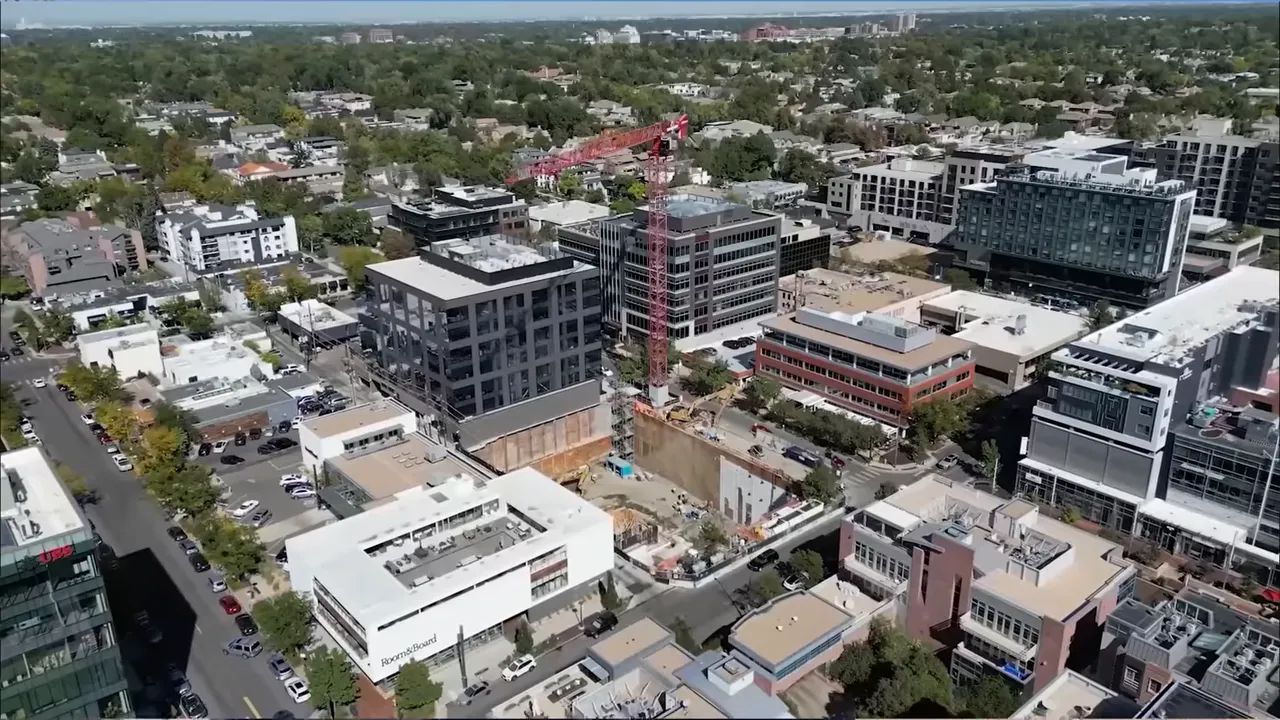
Cherry Creek West will turn 13 acres of surface parking into a mixed-use district with about 1.6 million square feet across seven buildings. Demolition is expected to begin in early 2026, with the first three buildings opening around 2029.
The first phase includes:
- An eight-story office building
- Two 13-story residential towers
- Underground parking
- Better access to the Cherry Creek Trail
What I like most about this project is that it is not just adding density. It is also trying to put the creek back into Cherry Creek with more natural elements and improved creek access. In other words, the development is trying to strengthen the environment that gives the district its name instead of ignoring it.
If luxury real estate is your lane, this is one of the future developments in Denver worth tracking closely.
National Western Center Expansion In Denver CO
Denver is also investing heavily in a project that ties directly into the city’s Western heritage.
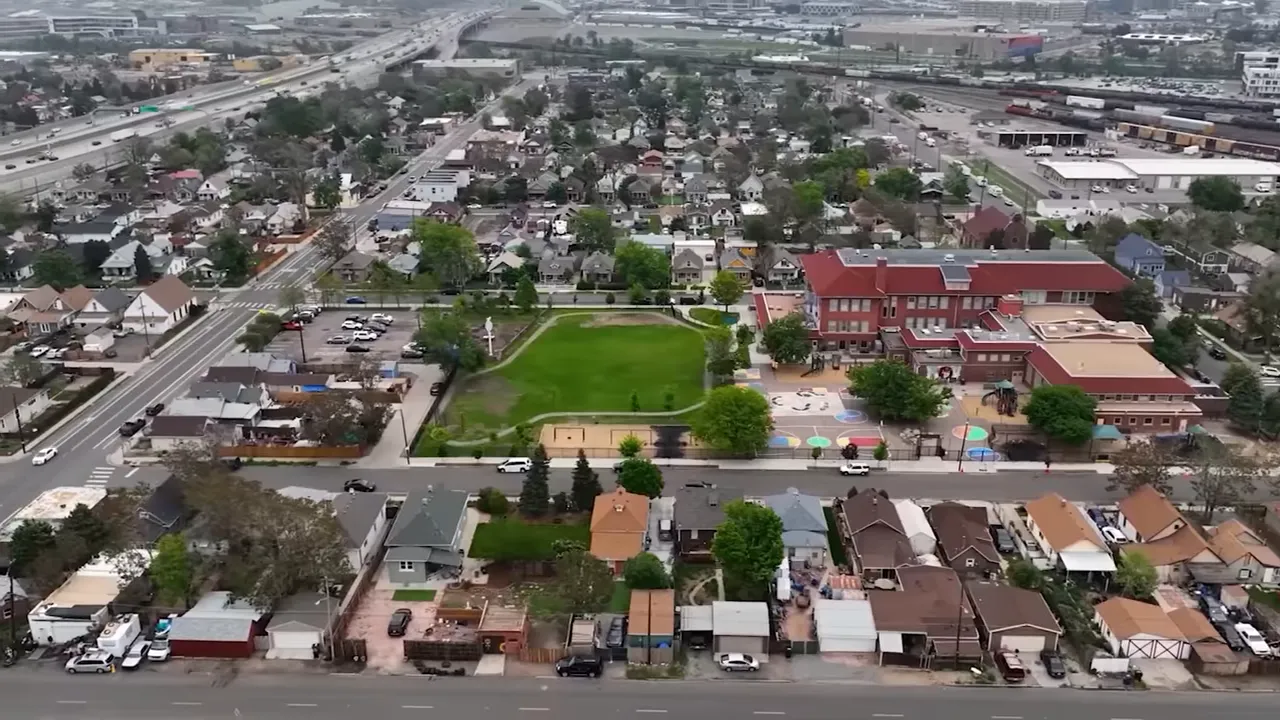
The National Western Center received a major boost when Denver City Council approved $812 million in 2025 for phase two, bringing the total investment to roughly $1.6 billion.
Phase two includes:
- A 4,500-seat equestrian center
- A 160-room hotel
- New housing
- Structured parking
This matters because it completes the larger master plan approved years ago and turns the campus into a year-round destination, not just a once-a-year stock show site. The campus is expanding from 110 acres to about 250 acres, with uses tied to agricultural innovation, entertainment, culture, and outdoor space.
That kind of year-round programming can be a major boost to nearby neighborhoods, especially when paired with all the other future developments in Denver happening across the broader north side.
Parks, Trails, And Connectivity Projects In Denver
Not every important project is a tower or a stadium. Some of the most meaningful changes are happening in the spaces between neighborhoods.
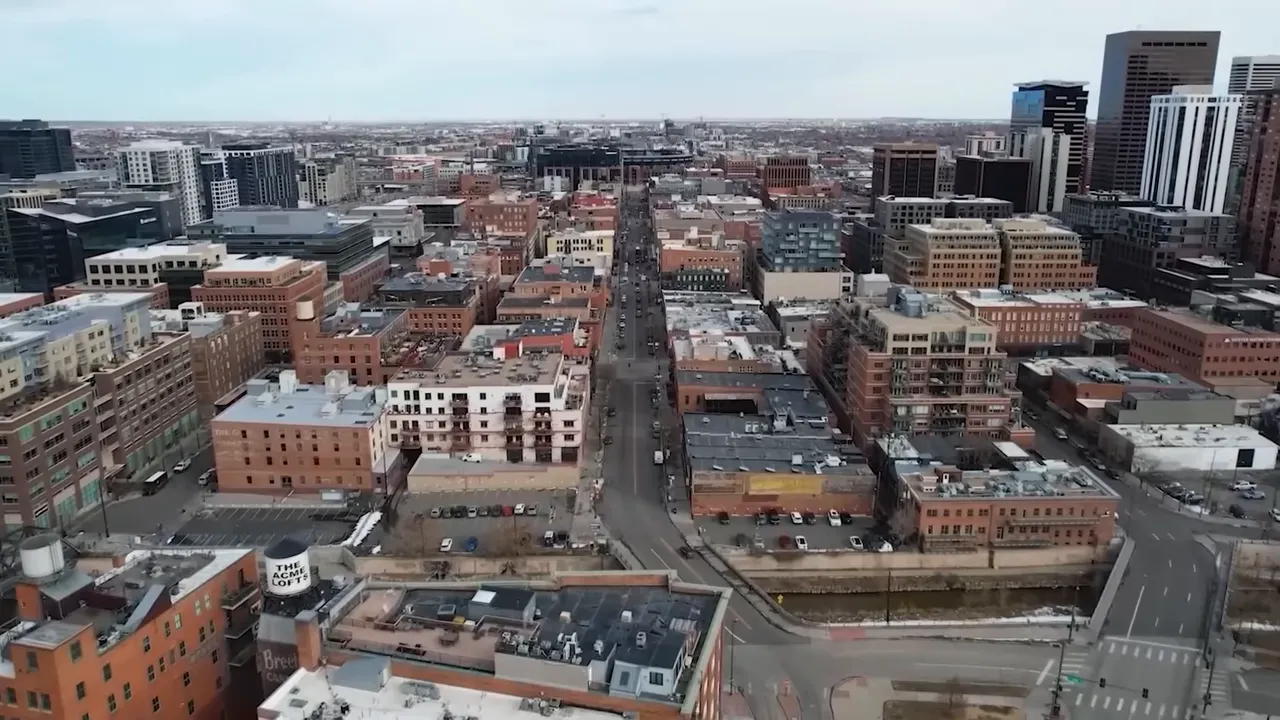
The South Platte River Trail is getting major upgrades including 12-foot concrete paths, 4-foot crusher fine trails, better lighting, and safety improvements. Construction runs from 2025 through 2027.
The city is also building on the success of the I-70 Cover Park, which created a 4-acre green space over the lowered interstate and helped reconnect Globeville and nearby neighborhoods. Future phases may include the 46th Avenue Cover Park as more of the highway gets capped.
Other notable improvements include:
- The Rhino River Promenade for better river access
- Continued buildout of the 5280 Trail
- The Acoma Street section of the 5280 Trail between 10th and 12th Avenue
- Capacity improvements on the A Line to DIA
- More reliable transit through downtown thanks to the 16th Street redesign
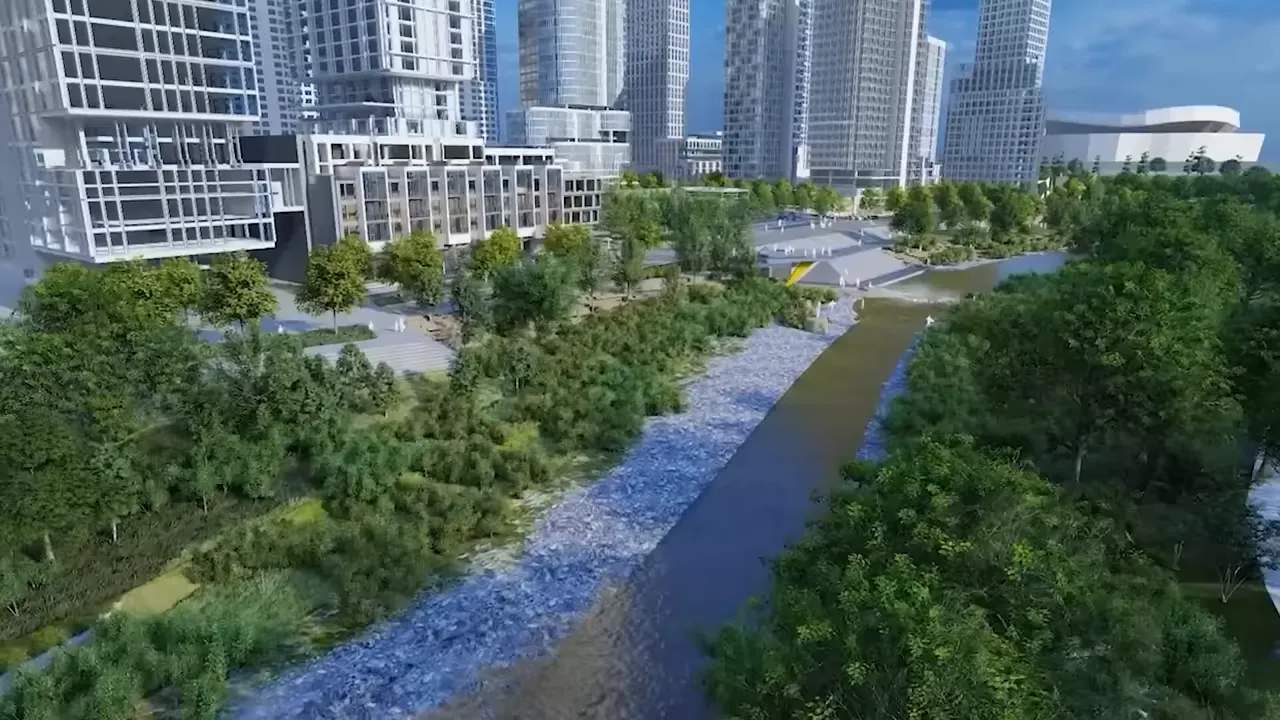
These projects matter because they make Denver easier to experience without always relying on a car. For people considering living in Denver CO, access to trails, safer walking routes, and better bike connections can shape daily life just as much as a new development announcement can.
Sustainability Trends In Future Developments In Denver
One pattern running through many of the future developments in Denver is sustainability. The city is pushing greener standards across major projects, with more emphasis on energy-efficient housing, transit, electric vehicles, solar, and tougher building requirements.
Many new projects are aiming for LEED certification or even net-zero energy. The city is also expanding e-bike options, adding solar panels to public buildings, and encouraging electric heating and cooling systems.
One of the standout examples is the Populus Hotel, which opened in October 2024 as America’s first carbon-positive hotel. The 265-room property reportedly cost more than $100 million and plants a tree for every guest night.
It also has:
- Zero on-site parking
- Sustainable materials throughout
- A rooftop bar with sweeping city views
- Near-zero-waste restaurant systems such as biodigesters
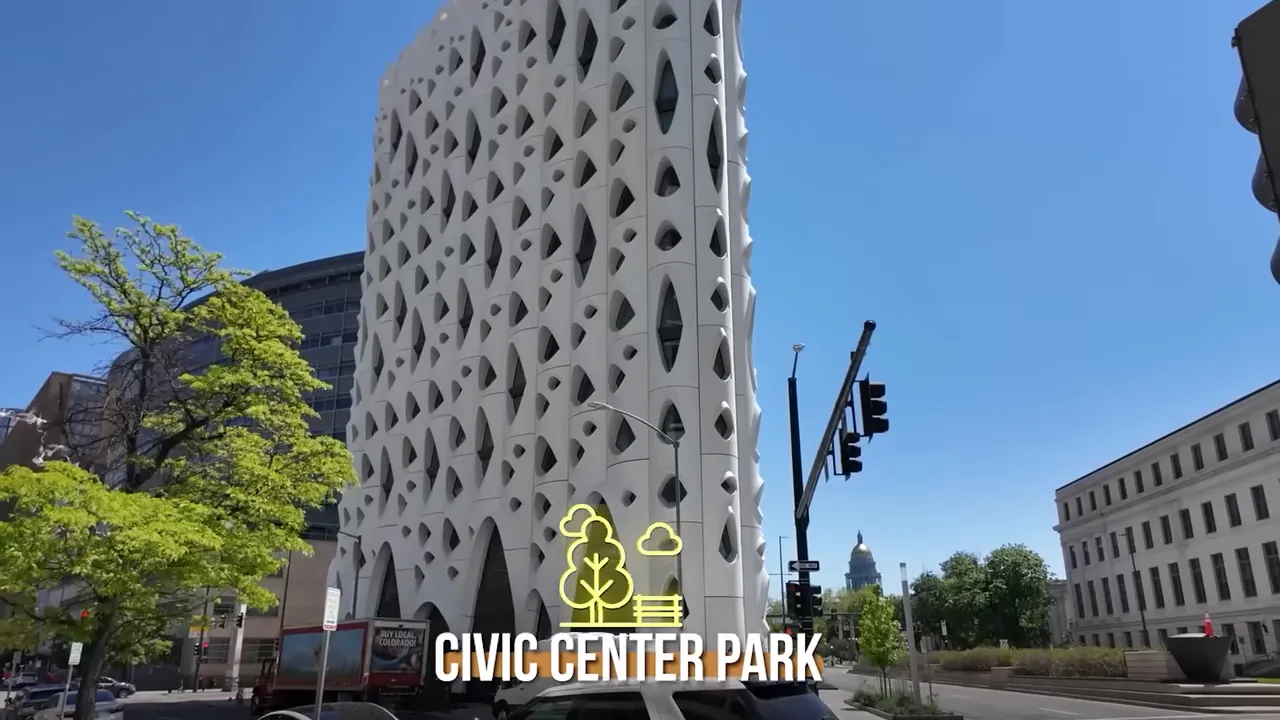
This is a useful case study because it shows what sustainability can look like when it is treated as a design feature, not just a checklist item. As downtown and Civic Center continue to gain momentum, this kind of project helps shape the city’s image going forward.
New Broncos Stadium At Burnham Yard In Denver
Now for the project that will probably grab the most headlines over the next several years: the proposed new Denver Broncos stadium at Burnham Yard.
The plan is a privately funded project costing more than $4 billion, targeted for a 2031 opening when the current lease expires. The stadium site covers 58 acres at Burnham Yard, plus another 25 acres from Denver Water, creating roughly a 100-acre entertainment district.
The stadium is expected to include a retractable roof and natural turf, which would give Denver the ability to host events year-round in a way it currently cannot.
In 2026, the focus is on planning and pre-development work. Major construction would come later in the decade. The site is east of I-25 near 8th Avenue, only about two miles from the current stadium, but it has the potential to create an entirely new entertainment district around it.
It is also a reminder that transportation upgrades are not happening in a vacuum. Big event venues need serious access. That is one more reason the future developments in Denver are best understood as a connected system rather than individual projects.
Best Areas To Watch For Growth In Denver CO
When you line up all of these future developments in Denver, certain areas start to stand out more than others.
Short-Term Areas To Watch In 2026 Through 2027
- Sun Valley because of the riverfront park and new housing
- West Colfax near the BRT corridor
- RiNo and Globeville around the World Trade Center and Fox Park area
- Areas near The River Mile as river improvements increase walkability
Medium-Term Areas To Watch In 2027 Through 2029
- Cherry Creek West as the first phase gets delivered
- Neighborhoods around the National Western Center
- The airport corridor as DIA upgrades continue
- The 16th Street corridor as downtown activity builds back up
Long-Term Areas To Watch Beyond 2030
- Burnham Yard near the future Broncos stadium
- The current Empower Field area if redevelopment opportunities emerge
- The broader downtown core as these projects start reinforcing each other
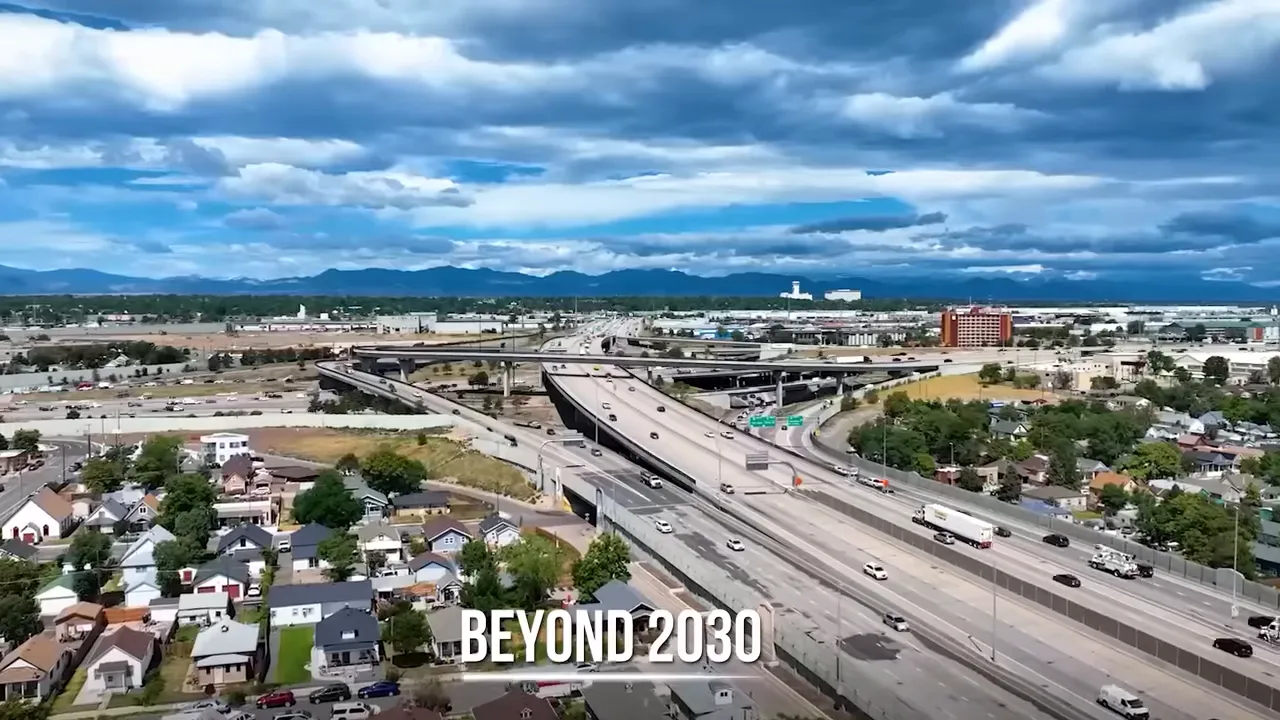
If you are thinking about living in Denver CO or making a real estate move here, timing matters. The neighborhoods that benefit most are often the ones where infrastructure, public space, and private investment all start stacking together. That is exactly what is happening in multiple parts of the city right now.
SEARCH FOR NEW HOMES IN THE GREATER DENVER AREA
FAQs About Future Developments In Denver
What Are The Biggest Future Developments In Denver For 2026?
The biggest future developments in Denver include the DIA Great Hall expansion, the 16th Street redevelopment, Sun Valley redevelopment, The River Mile, World Trade Center Denver at Fox Park, East Colfax Bus Rapid Transit, Cherry Creek West, National Western Center expansion, South Platte River Trail improvements, and planning work for the new Broncos stadium at Burnham Yard.
How Will The Future Developments In Denver Affect Daily Life?
These projects are expected to improve airport access, reduce travel times on key transit corridors, expand parks and trails, create more housing, and bring new entertainment and job centers online. For many residents, that means better mobility, more walkability, and stronger neighborhood amenities.
Which Denver Neighborhoods Could Change The Most?
Sun Valley, Globeville, RiNo, West Colfax, Cherry Creek, the Burnham Yard area, and neighborhoods around the National Western Center all appear positioned for major change. Each is tied to significant public or private investment already underway.
Why Is The River Mile So Important?
The River Mile stands out because of its scale and because it could redefine Denver’s relationship to the South Platte River. With thousands of housing units, millions of square feet of development, and dozens of acres of parks and open space, it has the potential to help turn Denver into a true river city.
Is Denver Focusing More On Sustainability In New Development?
Yes. Many future developments in Denver include stronger green building standards, energy-efficient systems, transit-oriented design, electric mobility, and public sustainability initiatives. The Populus Hotel is one example of how that focus is already taking shape in a high-profile way.
What Do These Projects Mean For Living In Denver CO?
For anyone considering living in Denver CO, these projects point to a city becoming more connected, more active outdoors, and more varied in where opportunity exists. Some neighborhoods will become easier to commute from, others will gain better public spaces, and several areas may become more attractive for both homeowners and renters over the next few years.
Final Thoughts On Denver’s Growth And Future Developments
Put all of this together, and the picture is pretty clear. The future developments in Denver are not just about bigger buildings or higher price tags. They are about creating a more connected city with stronger neighborhoods, better public spaces, expanded transit, and new centers of activity.
Denver is positioning itself as a city that can grow without losing what makes it appealing in the first place: access to the outdoors, neighborhood identity, and a lifestyle that still feels active and livable. If these projects land the way they are intended to, 2026 will be remembered as one of the key turning points.
And that is why now is such an important moment to pay attention. The map of opportunity in Denver is changing.
If you want help figuring out what these shifts mean for your move or investment, I’m here to help. Call or text me, Gary Bradley anytime at 720-613-8710 and let’s talk about your goals.
READ MORE: Moving to Highlands Ranch CO? Here’s What $700K Actually Gets You

Gary Bradler
Gary is your trusted partner in the residential real estate market of Denver, Colorado. With years of experience, he is dedicated to helping buyers, sellers, and investors navigate the dynamic landscape, whether you’re a first-time buyer or a seasoned investor.
WATCH THE LATEST VIDEOS