
Moving to Denver CO: How to Avoid Choosing the Wrong Area
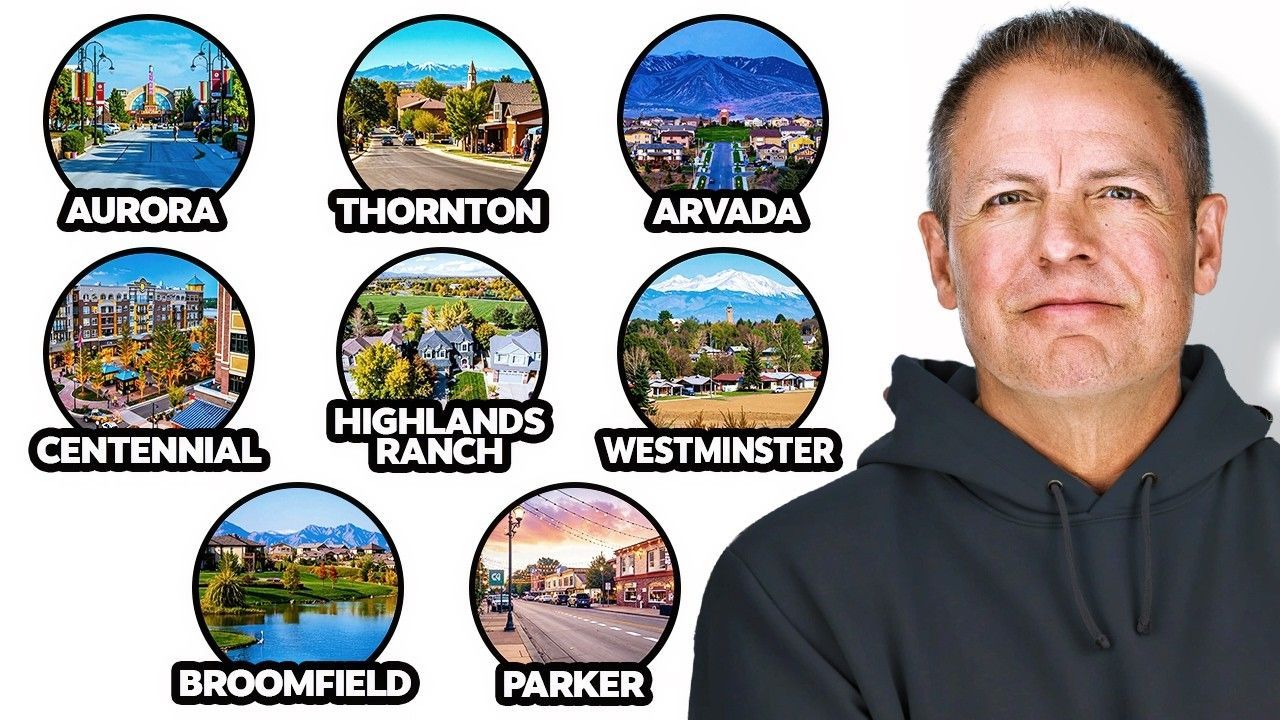
If you are moving to Denver CO, one of the biggest mistakes you can make is treating Denver like one simple city with one simple lifestyle. It is not. Denver covers roughly 150 square miles and has more than 78 major neighborhoods, and that is before we even get into the suburbs and surrounding cities that make up the full metro area.
That matters because the difference between one area and another can be huge. One move could leave you with a 15-minute commute, easy park access, and the exact vibe you want. Another could leave you spending two hours a day in traffic, paying downtown prices for a lifestyle you did not actually want, or ending up too far from the mountains, airport, or nightlife.
When we talk to people moving to Denver CO, the best way to simplify the whole metro is with a four-ring framework. Once you understand those four rings, Denver starts to make sense fast. You can narrow down where you belong based on lifestyle, budget, commute, space, schools, walkability, and access to recreation.
That is exactly how we are going to break it down here.
Table of Contents
- The Four-Ring Framework
- Ring 1: Inner Denver
- Ring 2: Established Suburbs
- Ring 3: Booming Newer Communities
- Ring 4: Space, Nature, and Mountain Access
- How to Choose the Right Area
- FAQ
The Four-Ring Framework
One of the easiest ways to understand the metro when moving to Denver CO is to think of it in rings.
- Ring 1: Downtown and historic core neighborhoods
- Ring 2: Established mid-to-late 20th century suburbs
- Ring 3: Fast-growing, newer-build communities
- Ring 4: Outer-ring cities with more space and stronger mountain-town feel
Each ring comes with a different tradeoff.
The closer in you go, the more walkability, history, entertainment, and convenience you get. Usually, you also pay more and sacrifice space. The farther out you go, the more house, lot size, and outdoor access you get, but your commute usually gets longer.
Ring 1: Inner Denver, Historic, Walkable, and Pricey
The inner ring is where Denver’s history really comes alive. It is also where prices climb the fastest for people moving to Denver CO who want that urban lifestyle.
Think walkability, older architecture, restaurants, nightlife, and access to major attractions. Also think smaller spaces, parking challenges, and premium pricing.
LoDo
Lower Downtown, or LoDo, is Denver’s oldest neighborhood, dating back to 1858. If you want to be in the middle of everything, this is one of the clearest examples.
You are within walking distance of Union Station, Coors Field, and Ball Arena. For young professionals and empty nesters who want to walk to work and have nightlife right outside their door, LoDo makes a lot of sense.
Typical pricing sits around:
- Median listing price: about $750,000
- Condo range: roughly $400,000 for a studio to $2 million for luxury penthouses
The upside is obvious: incredible walkability, major entertainment, and tons of restaurants. The tradeoff is just as obvious: limited parking, monthly parking costs that can run a few hundred dollars, noise from nightlife, and not a lot of square footage for the money.
Central Business District
If luxury high-rise living is what you picture when moving to Denver CO, the central business district is likely on your radar. This is the heart of downtown office life and the area around the 16th Street Mall.
You get luxury condos, concierge-style buildings, and mountain views from upper floors. You also get the highest prices in town and a vibe that can feel a little corporate, especially when the workweek winds down.
Typical condo pricing runs around:
- $800,000 to $3 million
- Many luxury units priced by the square foot at premium rates
Union Station Area
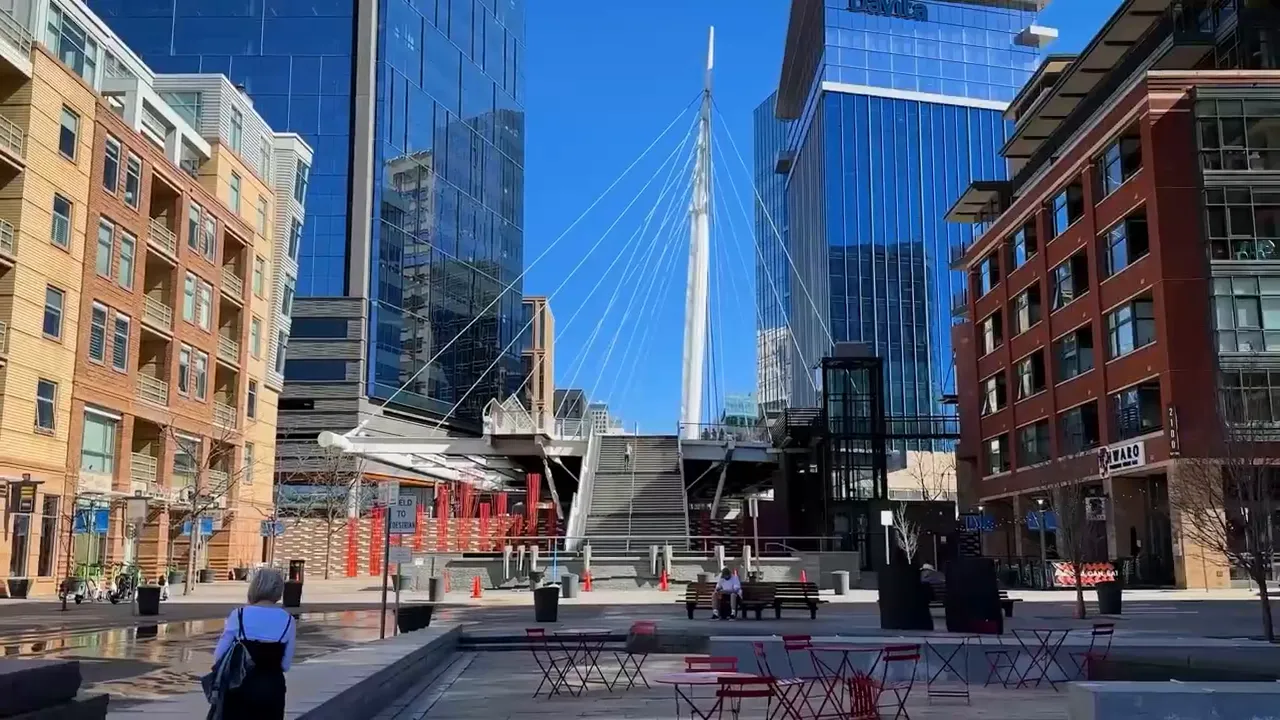
The Union Station area has seen major redevelopment since the early 2000s and has become one of the most connected parts of the city. If transportation matters a lot to you, this area deserves serious attention.
Union Station connects to the airport, suburbs, and other major routes through light rail and transit. That makes it especially appealing for commuters and frequent travelers.
Condos here generally range from about $600,000 to $1.5 million, and the area has seen strong appreciation. The catch is that it can feel crowded and touristy, and train noise is part of the equation.
The Highlands
If you want inner-ring access but need a little more space and character, the Highlands is a classic option. Picture tree-lined streets, Victorian homes, and bridges connecting you back toward downtown over the South Platte River.
This area works well for families who want historic charm and professionals who prefer architecture and neighborhood feel over ultra-modern towers.
Pricing looks roughly like this:
- Average home price: about $850,000
- Range: around $600,000 to $5 million for restored mansions
You get beauty and community feel, but those older homes often require more upkeep, and the terrain can be a little tougher in winter.
Washington Park and Bonnie Brae
Washington Park is one of the inner-ring heavy hitters. South of downtown and near the University of Denver, it is centered around one of the city’s most beloved parks, complete with lakes, trails, and recreation.
This is a magnet for active families, young professionals, and dog owners. If your ideal day includes park access plus quick urban convenience, Wash Park is hard to beat.
- Median home value: around $1.5 million
- Range: about $800,000 for condos to $4 million for larger estate homes
Homes move fast here. The downside is simple: it is expensive, competitive, and parking is often a pain.
Nearby Bonnie Brae offers another strong option. It has more variety in architecture and tends to be more attainable than Wash Park, with homes averaging around the $600,000 range and a broader spread up to about $1.2 million.
Capitol Hill
Capitol Hill, often called Cap Hill, is one of Denver’s most eclectic neighborhoods. It is centered near Colfax Avenue just east of downtown and has a more diverse, artsy, and rough-around-the-edges personality than some of the polished inner-ring alternatives.
For artists, musicians, students, and younger professionals who want an affordable inner-ring foothold, this can be a strong fit.
- Average home price: around $350,000
- Range: roughly $130,000 for small condos to more than $2 million for restored mansions
Cap Hill gives you culture and relative affordability, but it is not the polished version of urban living. That is part of the appeal for some people and a dealbreaker for others.
Why Ring 1 Works
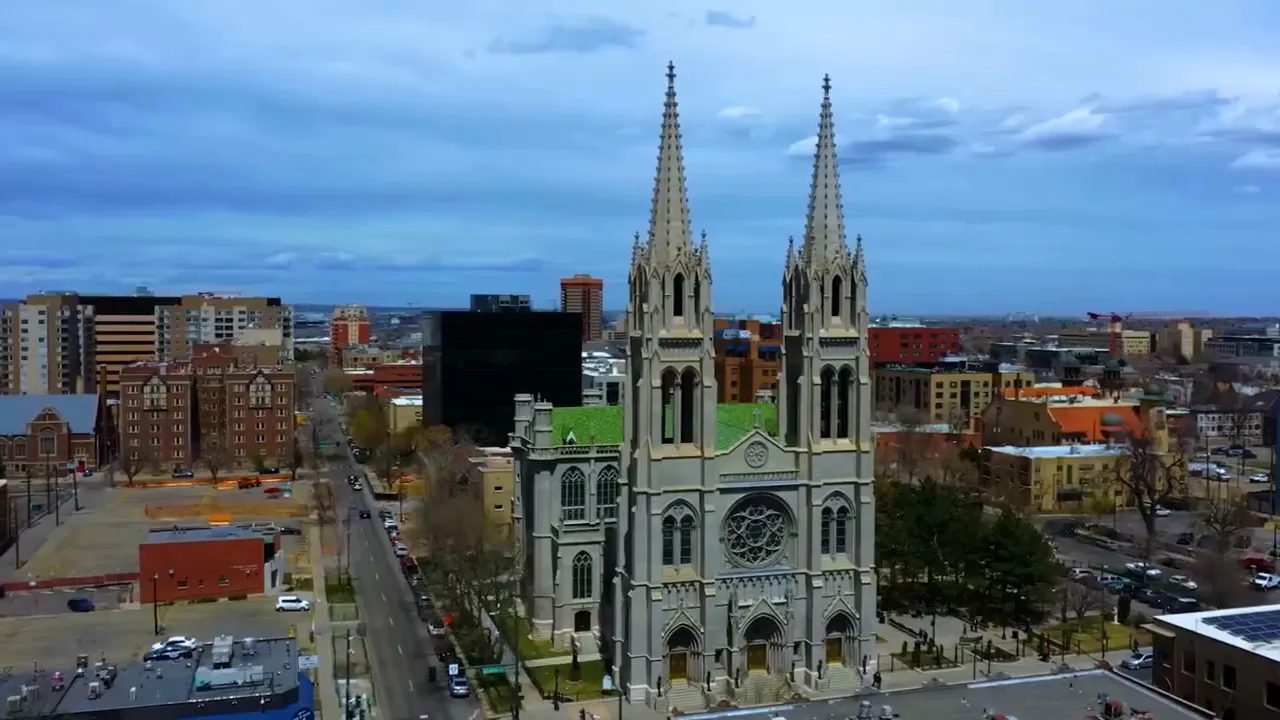
The biggest draw of the inner ring is lifestyle. You are close to major attractions like Coors Field and Ball Arena, surrounded by restaurants, and living in the most walkable part of the metro.
For anyone moving to Denver CO who wants sports, nightlife, architecture, and urban energy, Ring 1 can be the right call. You just have to be comfortable paying for it.
Ring 2: Established Suburbs, the Sweet Spot
If Ring 1 feels exciting but too expensive, Ring 2 is often where the conversation gets serious. These are the established suburbs that offer more comfort and value without pushing you too far from downtown.
This is the sweet spot for many people moving to Denver CO because it balances commute, price, and livability.
Littleton
Littleton sits southwest of Denver, roughly 20 to 25 minutes from downtown. It is close to Chatfield Reservoir and has easy access to C-470, which makes getting around the metro easier.
It is a strong fit for families with school-aged kids and commuters who want a suburban setting without an extreme drive.
- Average home value: about $650,000
- Range: roughly $450,000 for townhomes to $1.2 million for larger homes
Littleton also benefits from well-regarded schools and a historic downtown area with restaurants and local character. The trade-off is that nightlife is limited and it can feel quiet if you want more city energy.
Centennial
Centennial is southeast of Denver and especially appealing for people who need good access to both downtown and Denver International Airport. If airport convenience is a big factor, this location is worth a close look.
It is also known for access to the Cherry Creek School District, which is one of the strongest selling points for families.
- Median home price: about $660,000
- Newer construction: often around $700,000 to $1.5 million
The downside is that some parts can feel newer and more sterile, with less character than older areas.
Lakewood
Lakewood is one of the more practical picks for people moving to Denver CO who want mountain access without paying mountain-town prices. Located west of Denver near the foothills, it puts you close to Red Rocks, Bear Creek Lake Park, and quick routes toward outdoor recreation.
- Median home value: about $550,000
- Range: roughly $400,000 to $800,000
Lakewood tends to be one of the more affordable second-ring options. It is diverse and convenient, but some pockets feel rougher than others and there can be some air quality concerns.
Westminster
Westminster is positioned between Denver and Boulder, which makes it useful for anyone tied to either job market. It also has access to the B Line RTD, which is a plus if public transit matters.
- Average home value: about $540,000
- Range: around $210,000 for condos to over $5 million for luxury estates
The challenge here is psychological as much as practical. Westminster can feel a little disconnected from both Denver and Boulder, especially with Highway 36 traffic in the mix.
Why Ring 2 Works
What makes Ring 2 so appealing is that these communities are established. The infrastructure is already there. The trees are mature. The neighborhoods have some personality. You are not living in the middle of nonstop development and construction.
For many households, this is the best balance in the metro:
- More manageable pricing than the urban core
- Reasonable commute times
- Good access to both Denver and the mountains
- A familiar suburban lifestyle
Ring 3: Booming Newer Communities
Ring 3 is where growth is happening fast. New construction is everywhere, and some of these areas have amenities that seriously compete with more central parts of the metro.
If your priority in moving to Denver CO is newer homes, modern layouts, larger lots, and master-planned convenience, this ring deserves attention.
Parker
Parker is southeast of Denver, usually about 30 to 40 minutes from downtown. It offers newer housing, a charming historic downtown, and community-centered events like farmers markets.
- Home prices: about $650,000 to over $4 million
- Most new construction: around $700,000 to $1.2 million
Parker is a strong match for growing families who want larger lots and small-town feel with modern amenities. The downside is longer commutes and less connection to urban culture.
Highlands Ranch
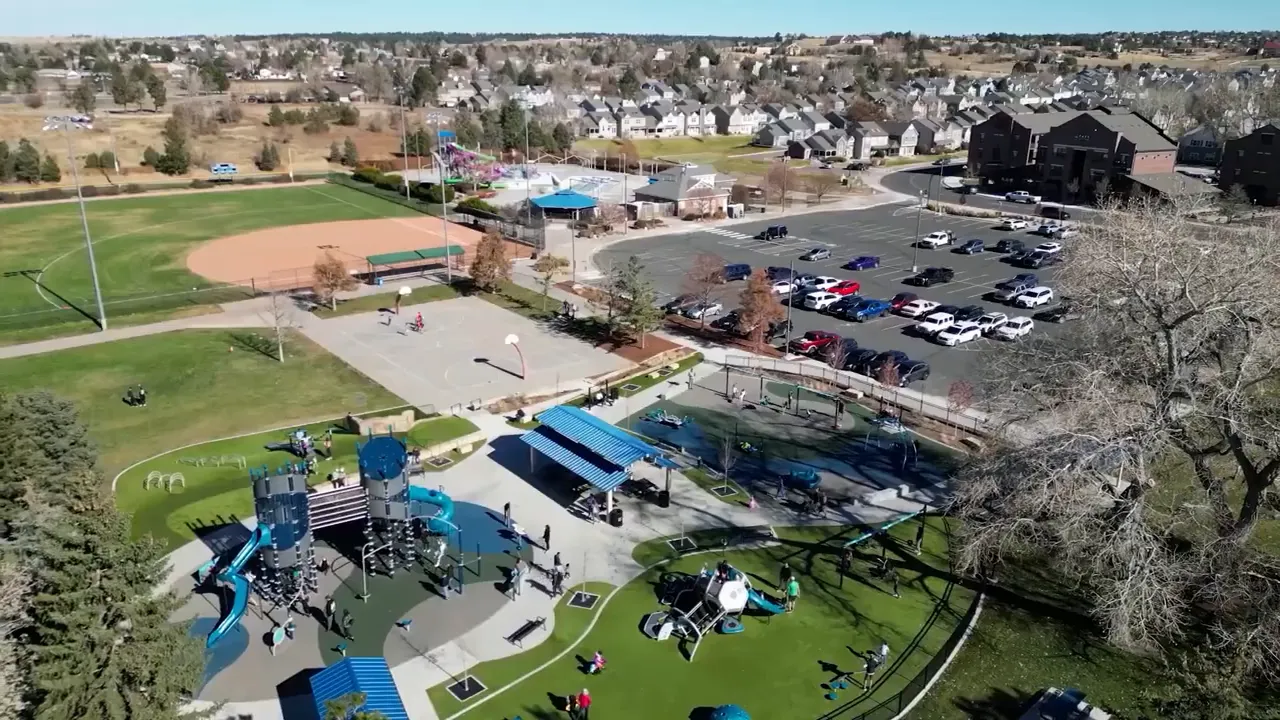
Highlands Ranch is one of the biggest and most recognizable suburban communities in Colorado. It is south of Denver and offers a carefully planned environment loaded with amenities.
- Typical home price: around $727,000
- Townhomes: starting near $500,000
- Larger homes: up to roughly $1.5 to $2 million
This is the kind of place where everything was designed intentionally. There are dozens of parks and playgrounds, and community amenities are a major draw. Schools are excellent too.
The tradeoff is what many people already expect: HOA fees, restrictions, and a look and feel that can be a little cookie-cutter.
Lone Tree
Lone Tree takes the suburban luxury concept up another level. It has strong highway access, direct ties to I-25 and C-470, and light rail stations that help with commuting.
- Home prices: around $900,000 to over $2 million
- Luxury homes: reaching into the $4 million range
It is ideal for more affluent buyers who want upscale amenities and strong transportation connections. It is also close to Park Meadows Mall, one of the largest shopping destinations in Colorado.
The downside is that it is expensive for a suburban location and can feel corporate or polished to the point of being a little sterile.
Commerce City
Commerce City stands out because it offers some of the most affordable newer housing in Ring 3. North of Denver and close to the airport, it works well for airport employees, frequent travelers, and buyers who want newer homes without stretching the budget as far.
- Median home price: about $510,000
You also have access to the Rocky Mountain Arsenal Wildlife Refuge, which is a unique perk. The drawbacks are that some areas are still developing, dining and entertainment can be limited, and the open landscape can mean more wind.
Why Ring 3 Works
What makes Ring 3 interesting is how much convenience it packs into suburban life. Denver International Airport is a major transportation hub with nonstop flights to more than 215 destinations, and some third-ring areas make that access a major part of their appeal.
You also get modern shopping and recreation. Park Meadows is often described as a retail resort, and places like the Parker Incline add outdoor opportunities that many people do not expect from suburban growth areas.
Ring 3 is all about contemporary living:
- Newer homes
- Modern floor plans
- Expanding infrastructure
- Larger lots than the urban core
- Convenient daily living

Ring 4: Space, Nature, and Mountain Access
Ring 4 is where you start leaning harder into space, scenery, and recreation. The commute usually gets longer, but the tradeoff is often more house for the money and easier access to the Colorado lifestyle people come here for in the first place.
For many people moving to Denver CO, this is where the dream starts to look more like trails, foothills, and weekend mountain access than nightlife and walkability.
Castle Rock
Castle Rock sits between Denver and Colorado Springs, which gives it a unique strategic position. If you want flexibility between two metro areas, this is a strong candidate.
- Median home value: about $670,000
You get more space, a historic downtown district with character, and more than 50 miles of trails. The downside is exactly what you would expect: longer trips into central Denver.
Golden
Golden is one of the most visually appealing options in the metro. It sits right at the foothills and feels like a mountain getaway community with practical access back into Denver.
- Home prices: about $500,000 to $1.5 million
Golden is perfect for outdoor enthusiasts who want natural beauty and an authentic mountain-town feel. It is also home to the famous Coors Brewery, the world’s largest single-site brewing facility, and brewery tours are a big draw.
The tradeoff is weekend crowds and limited parking, especially when tourists and day-trippers roll in.
Broomfield
Broomfield also benefits from the Denver-Boulder positioning, giving residents access to two different job markets and lifestyle ecosystems.
- Median home price: about $650,000
There are newer master-planned developments here and strong growth potential. Like Westminster, though, it can feel a little disconnected from the cities it sits between.
Thornton
Thornton offers some of the most affordable options in Ring 4 and includes a mix of established neighborhoods and brand-new construction.
- Median home price: about $540,000
- Typical range: around $400,000 to $800,000
That variety gives buyers choices. It is a good place to look if you want value and growth potential, but it is important to evaluate specific pockets closely because some areas are still actively developing.
Why Ring 4 Works
Ring 4 is for people who are comfortable trading commute time for lifestyle. If hiking, biking, skiing, scenery, and elbow room matter more than being 10 minutes from downtown, this ring can offer excellent value.
You are buying into:
- More space
- More natural beauty
- Better direct access to recreation
- A less urban day-to-day lifestyle
View Homes for Sale in Denver, CO
How to Choose the Right Denver Area
If you are moving to Denver CO, the best area is not the one with the most hype. It is the one that fits your actual life.
Here is the simplest way to think about it:
- Choose Ring 1 if walkability, nightlife, architecture, sports, and downtown convenience matter most.
- Choose Ring 2 if you want the strongest balance of price, commute, schools, and established neighborhoods.
- Choose Ring 3 if you want newer construction, master-planned amenities, and modern suburban convenience.
- Choose Ring 4 if you want more space, stronger outdoor access, and a lifestyle built around nature rather than downtown.
Before making your choice, ask yourself a few honest questions:
- How much commute time are we really willing to tolerate?
- Do we care more about walkability or square footage?
- Is school quality a top priority?
- How often do we use the airport?
- Do we want older character or newer construction?
- Is mountain access a weekend bonus or a major lifestyle need?
Those answers will usually tell you which ring fits best.
Denver is not one-size-fits-all, and that is a good thing. The metro gives you a lot of options. The trick is making sure the option you choose matches the life you actually want to live.
Ready to find the right Denver neighborhood without the guesswork? Call or text us at 720-613-8710 and we’ll help you match the right ring to your commute, budget, and lifestyle.
FAQ
What is the best area for moving to Denver CO if we want walkability?
Ring 1 is usually the best fit for walkability. Areas like LoDo, the central business district, Union Station, the Highlands, Washington Park, and Capitol Hill give you the strongest access to restaurants, entertainment, parks, sports venues, and daily conveniences without needing to drive as much.
What is the best value area for moving to Denver CO?
For many buyers, Ring 2 offers the best overall value. Places like Littleton, Centennial, Lakewood, and Westminster tend to balance price, commute, schools, and neighborhood maturity better than either the urban core or the far outer ring.
Which Denver areas have the best access to the airport?
Centennial works well for people who want a practical position between downtown and the airport, while Commerce City stands out for close proximity to Denver International Airport. Union Station is also strong if rail and transit access to the airport matters.
Where should families focus when moving to Denver CO?
Families often focus on Littleton, Centennial, Highlands Ranch, Parker, and Washington Park depending on budget and lifestyle. These areas tend to stand out for schools, parks, neighborhood feel, and space.
Which areas are best for mountain access?
Lakewood, Golden, and other western or outer-ring communities tend to offer stronger mountain access. Golden especially stands out if you want a foothills location with a real outdoor lifestyle feel.
Are the outer-ring communities cheaper than downtown Denver?
In many cases, yes. Outer-ring communities often give you more house and more land for the money than downtown and inner-ring neighborhoods. The tradeoff is usually a longer commute and less walkability.
Is new construction easy to find when moving to Denver CO?
Yes, especially in Ring 3 communities like Parker, Highlands Ranch, Lone Tree, and Commerce City. These areas are known for newer homes, modern amenities, and ongoing development.
The right move in Denver starts with choosing the right ring, then narrowing to the right neighborhood. Get that part right, and everything else gets a lot easier.
READ MORE: Denver Suburbs Ranked: The Best and Worst Places to Live

Gary Bradler
Gary is your trusted partner in the residential real estate market of Denver, Colorado. With years of experience, he is dedicated to helping buyers, sellers, and investors navigate the dynamic landscape, whether you’re a first-time buyer or a seasoned investor.
WATCH THE LATEST VIDEOS