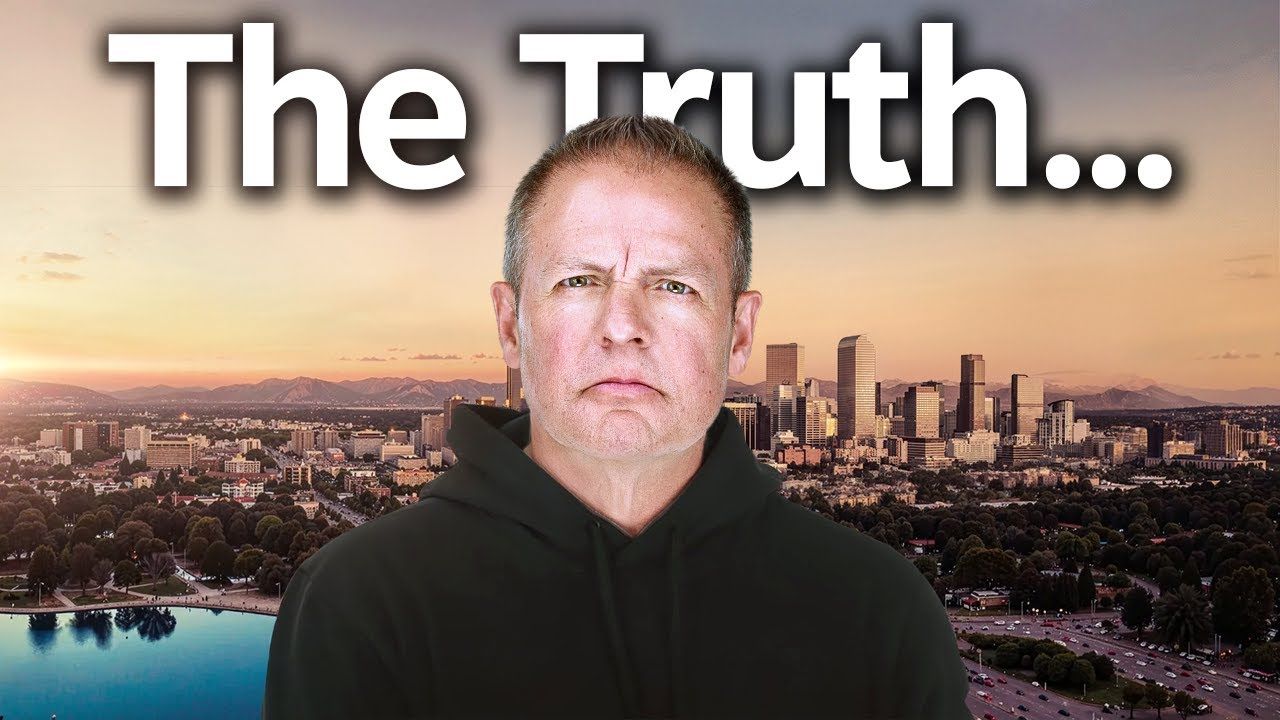

Moving to Denver CO: Surprising Factors That Make the City Unique
If you are considering living in Denver CO, you might have noticed something right away. Denver does not grow like most other big US cities. It is not built by the ocean. It is not shaped by a deep water port. And it does not spread out in every direction the way you would expect.
That difference is not just a fun trivia fact. It helps explain how Denver became a major metro, why prices climbed so fast, and why neighborhoods and lifestyles are built around the outdoors first. Here are seven ways Denver breaks the rules and what those choices mean if you are planning a move.
Table of Contents
- Why Denver CO is Different
- Denver’s Gold Rush Origins
- Railroads and Denver CO’s Growth
- Diverse Economy in Denver CO
- Mountain Limits to Denver CO’s Growth
- Denver CO’s Extreme Weather
- The Denver CO Home Price Surge
- Lifestyle First, Jobs Later in Denver CO
- What Buyers Should Know About Denver CO
- Best Neighborhoods in Denver CO
- Is Denver CO Right for You?
- FAQs About Living in Denver CO
- Final Thoughts on Living in Denver CO
Why Denver CO is Different
Most major cities are tied to water. Think New York, Chicago, Seattle, San Francisco. Rivers, oceans, and ports make shipping and trade easier. They create steady growth because commerce can move in and out efficiently.
Denver basically took the opposite path. You have no ocean. No big rivers that function like ports. No natural shipping gateway. Instead, Denver sits between the edge of the high plains and the Rocky Mountains. That geography forces decisions, limits options, and creates a very specific kind of city.
So if you are asking how Denver became one of the biggest and fastest growing cities anyway, the answer is simple. Denver was built on determination, not water. And over time, it learned how to connect itself to the rest of the country in its own way.
EXPLORE HOMES FOR SALE IN DENVER CO
Denver’s Gold Rush Origins
Number one, Denver was built on gold, not water. Denver started in the mid 1800s during the Pikes Peak Gold Rush. The city formed right where the South Platte River meets Cherry Creek.
Here is the catch. Even though a river exists, it was not deep enough to support shipping. That means Denver did not get the classic “port city” advantage. There was no deepwater route to trade with the rest of the country.
Denver also sits at exactly 5,280 ft above sea level, the famous mile high altitude. That places the city at the boundary between the high plains and the Rocky Mountains. In other words, it is naturally landlocked.
The gold rush did not last forever, but it started the pattern. Denver transitioned from a mining camp into something more like a supply base for miners. Then it grew into a hub for farming and transportation.
The big question that follows is obvious. If Denver was stuck in the middle with no major shipping routes, how did it get connected?
Railroads and Denver CO’s Growth
Number two, the roads and railroads came after Denver already existed. Usually, the story is reversed. Cities grow near major transportation routes because the route comes first. Highways and rail lines get built, then neighborhoods and businesses pop up around them.
Denver did not follow that script. The city formed first as a mining camp. People did not pass through Denver by accident on their way to somewhere else. They went there because they had a reason.
Then transportation followed. The first railroad arrived around 1870, about 12 years after Denver was founded. It connected Denver to a main rail line that went up to Cheyenne, Wyoming.
So instead of the railroad shaping Denver, Denver attracted the railroad.
That legacy shows up even today. Denver International Airport is described as the third busiest airport in North America and sixth busiest in the world. With nearly 200 different flights, Denver has clearly learned the art of connectivity without water.
In short: Denver did not become easy to reach because it started easy to reach. It became easy to reach because it kept growing.
Diverse Economy in Denver CO
Number three, Denver does not put all its eggs in one basket. A lot of big cities are built around one dominant identity. Los Angeles becomes movies. Houston becomes oil. Detroit becomes cars. San Jose becomes tech.
Denver could have tried to be one thing. Instead, it has built a diversified economy. The result is stability, especially when one industry slows down.
Here is what the economy looks like on the ground:
- Aerospace and defense with the second biggest aerospace economy in the country
- About 400 companies focused in aerospace and related sectors
- Clean energy, where Denver ranks fourth in green energy jobs
- Tech, with Denver listed as one of the top 15 tech cities in North America, plus about 100,000 tech workers
- Major employers including Amazon, Google, and HP offices
- Healthcare, including National Jewish recognized as the best hospital in the country for lung health for almost 30 years in a row
- Plus farming, outdoor brands, government research labs, and shipping
The point is not just variety for fun. The transcript makes the comparison directly. When oil crashes in Houston, that hurts. When tech has a bad year, it can hit San Jose. Denver spreads risk across multiple sectors.
For anyone planning living in Denver CO, that translates into a metro that can keep moving even when one industry cycle changes.
Mountain Limits to Denver CO’s Growth
Number four, mountains block Denver from growing in one direction. Most cities spread out like circles. Denver mostly cannot do that.
You have the Rocky Mountains to the west, and building through mountains is difficult. That means Denver’s expansion patterns are shaped by geography. The city mostly grows in three directions.
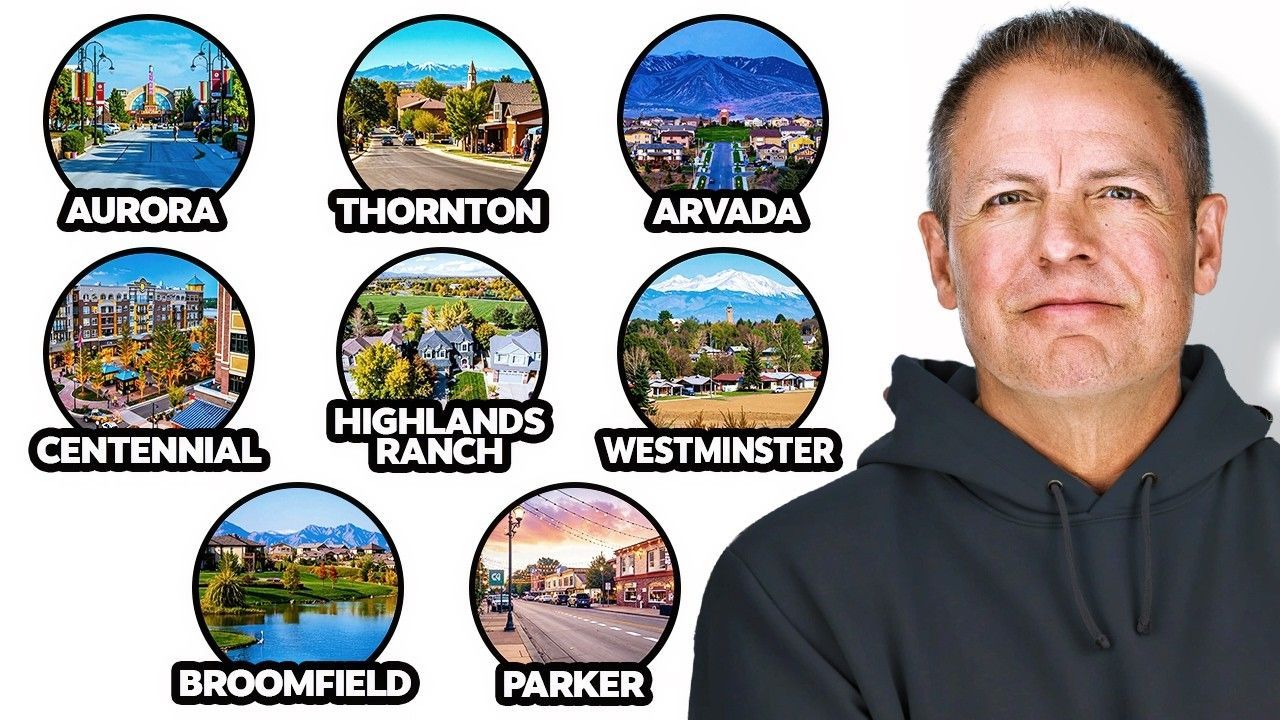
One of the largest growth areas is south. The path runs from Littleton (about 10 miles from downtown) through places like Highlands Ranch, Lone Tree, Castle Pines, and further as more people arrive. From there, the growth continues to areas including Westminster, Broomfield, Thornton, and Erie.
That connection links Denver to Boulder and likely to Fort Collins along the I25 corridor.
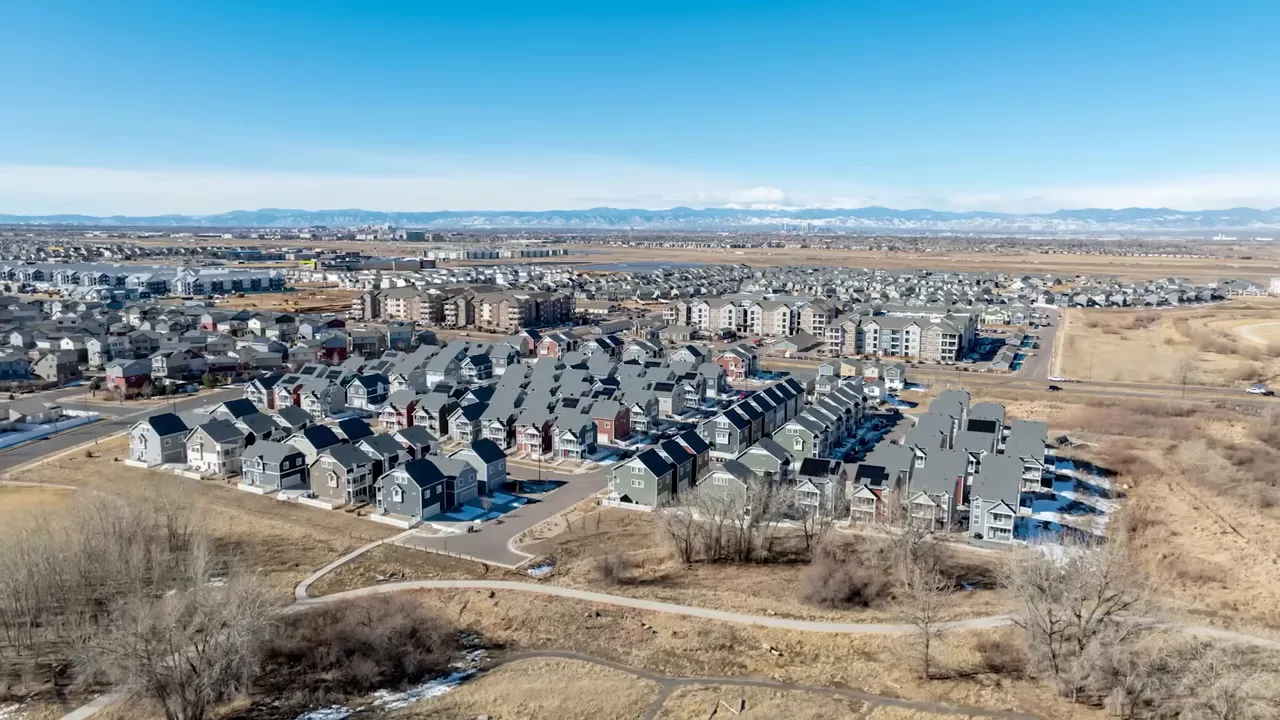
Out east, new growth is happening too, especially in Aurora . Aurora is described as Colorado’s third biggest city with over 400,000 people. Some large new neighborhood development is being built near DIA.
To the west, there is almost nothing after Golden because the mountains limit housing expansion. As a result, western neighborhoods can become harder to reach for the average buyer, which affects pricing and supply.
This is one reason Denver can feel both spread out and constrained at the same time. It grows in directions that are possible, and that concentrated growth creates strong demand in specific suburbs.
Denver CO’s Extreme Weather
Number five, the weather is tough, but people keep coming anyway. If you have not lived at altitude before, Denver can be a surprise.
The temperature can swing around 40 degrees in a single day. The transcript describes it like this: 70 degrees after lunch, and then 30 degrees at midnight.
Denver typically gets about 57 inches of snowfall per year, with the note that a given year may vary. It also gets occasional warm surprises, including a random 60 degree day in January.
Then there are the signature Colorado events:
- Chinook winds that can cause fast temperature changes
- Hail alley, where hail damage is not really a question of if, but when
- Wildfire smoke that can roll in every summer
- Dry air that creates static electricity and dry skin
Altitude also plays a role. At mile high altitude, the air is thinner. New arrivals can get headaches, feel out of breath, and need a few weeks to adjust.
So why do people keep coming despite it?
Because the perks are real. The transcript lists:
- 280 parks and 14,000 acres of mountain parks
- 400 miles of trails
- Skiing, hiking, and climbing just a short drive away
- Clear, beautiful skies
- “Something fun to do outside in every season”
That is the tradeoff. Denver gives you dramatic weather patterns, and it also gives you a consistent outdoor lifestyle.
The Denver CO Home Price Surge
Number six, home prices more than doubled in just 10 years. Most expensive cities become expensive slowly over 30, 40, or 50 years.
Denver did it faster. From 2010 to 2020, the average home price went up by almost 140%. That is more than doubling in a decade.
The typical home price referenced is around $615,000, up about 4.5% from the prior year in the transcript.
Why did it happen so quickly?
- People moved in from more expensive coastal cities and areas
- Jobs grew across multiple industries
- Scarcity increased because the mountains block new homes to the west
- Demand grew for living near the mountains
The housing market is also described as moving faster than older established cities like Boston or San Francisco. Prices can rise quickly, and they can also drop faster when the market slows.
At the time referenced, there are signs of softening but not a full collapse:
- About 38% more homes for sale than the previous year
- Homes taking longer to sell, around 34 to 54 days on average versus about 32 before
So, for anyone planning living in Denver CO, this section matters. Timing can affect opportunity. The transcript frames it as both potential value and some risk depending on when you buy.
Lifestyle First, Jobs Later in Denver CO
Number seven, people move here for fun first, then find a job. This is perhaps the most distinctive Denver story in the whole list.
In most cities, jobs come first. Companies arrive, employment grows, and then people follow. Neighborhoods and amenities show up after.
Denver flipped that order.
For a long time, people moved to Denver because of the mountains, parks, trails, skiing, hiking, and biking. They wanted nature at their doorstep. The job search followed the lifestyle.
Beyond the outdoors, there is also culture that makes “live here” feel like a full identity:
- Craft beer culture, with around 150 craft breweries
- Fitness culture
- About 300 sunny days per year
- A focus on health and work life balance
Then companies noticed. The transcript says that Denver attracts hardworking, motivated people who care about quality of life. As a result, offices opened to hire talent that already lived there.
One of the data points included is close to 120,000 tech workers in the metro area, plus more than 400 aerospace companies, with large names like Amazon and Google present.
This also explains neighborhood dynamics. Denver culture reflects the lifestyle first approach. People plan weekends around trips. Some prioritize working less and living more, even if that challenges a traditional career timeline.
The transcript also emphasizes that the city consistently ranks as one of the best places to live. The implication is that Denver’s growth pattern supports that result. The lifestyle creates demand. Demand keeps neighborhoods strong. And the job market follows to serve the people already here.
What Buyers Should Know About Denver CO
When people move for lifestyle first, it changes how real estate demand behaves. Instead of looking only at commute time or job location, buyers start where the amenities already match their daily life.
Here is how that shows up in where people are looking:
- Family friendly demand stays strong in the south and southeast suburbs, including Highlands Ranch , Castle Rock , and Centennial .
- Those areas are described as offering mountain views, trail access, and neighborhoods that fit families.
- The strongest demand and price movement is described as in the south metro and the east side near the airport, where new homes are being added.
But location is not just about growth. Denver weather also affects ownership costs. The transcript calls out some practical budget concerns:
- Plan for hail damage because roofs do not last near as long
- Heating and cooling systems may work harder due to big temperature swings
Meanwhile, young professionals are filling walkable neighborhoods like LoDo (Lower Downtown), RiNo (River North), Cap Hill (Capitol Hill), and Cherry Creek. Because many people compete for similar properties, those areas cost more.
Another buying takeaway: Denver’s mixed economy tends to make the market more stable long term than places that rely heavily on one field. There is an explicit comparison to Houston and oil. The transcript also notes that western suburbs like Lakewood and Golden are constrained by the mountains, so supply limitations support values over time.
Best Neighborhoods in Denver CO
If you are deciding where in the metro to land, the transcript provides a quick snapshot of how different suburbs appeal to different buyers. This is the part that turns Denver’s growth patterns into actual choices.
- Castle Rock(hot in the south): homes average around $630,000, about a 40 minute drive downtown, but buyers accept it for newer homes and more space
- Broomfield (north): homes average around $640,000, with tech companies nearby and an affluent feel, plus easier access to the outdoors without downtown prices
- Aurora(more options): described as Colorado’s third biggest city; if you want more space and need to stay under $500,000, it is positioned as the best place to look
- Littleton: cute historic downtown, great mountain views, about a 24 minute commute to downtown, homes around $650,000, and Roxboro State Park nearby
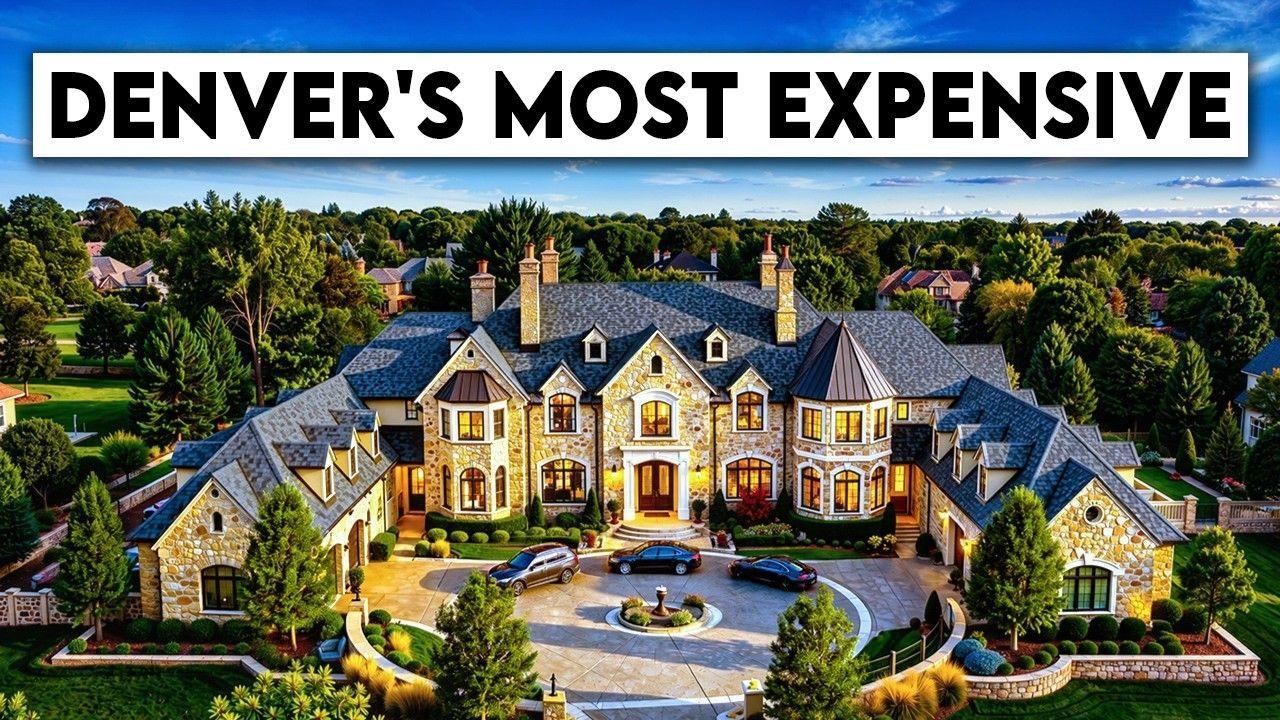
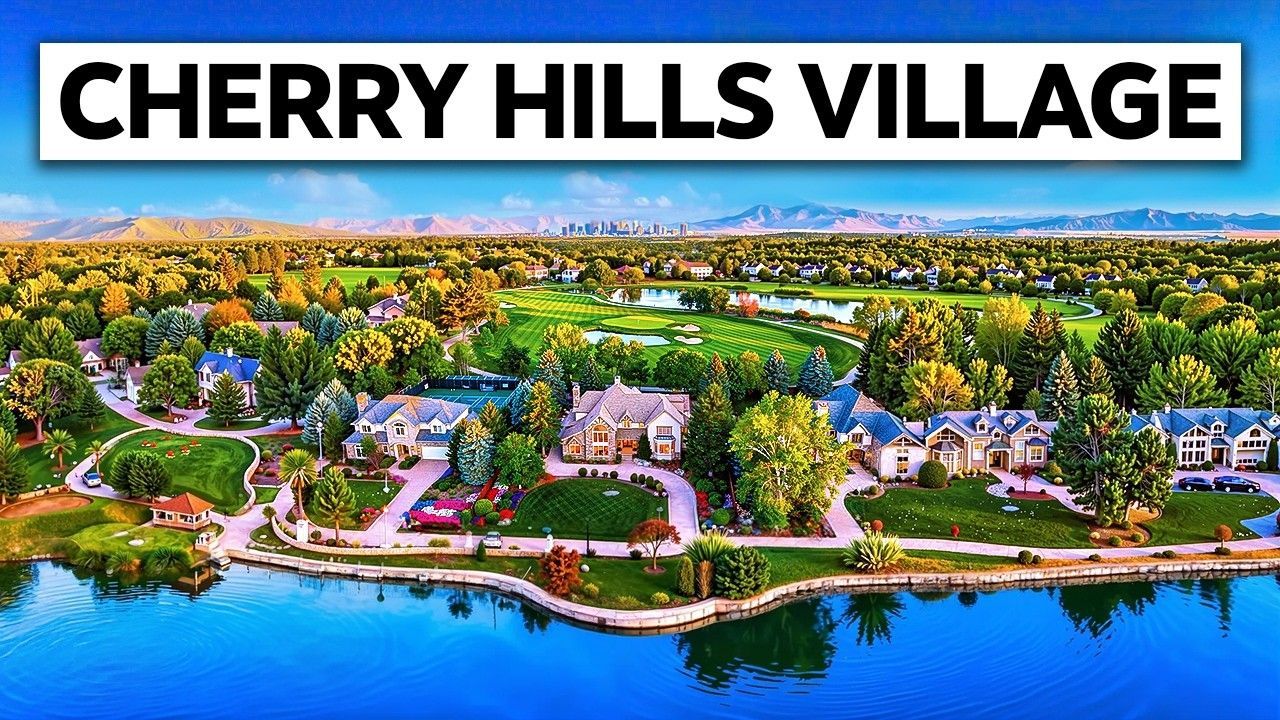
- Cherry Creek: described as one of the fanciest addresses; typical homes are well over $1 million, around $1.3 million, paying for walkability, high end shopping, and a premier address
The common thread is what Denver actually sells: mountain views, trails, and outdoor access. The transcript also points out that these factors often drive where people choose to live more than commute time or job location. That is a key reason Denver offers something other cities cannot easily copy.
Is Denver CO Right for You?
The real question is not whether Denver is interesting. It is whether the Denver lifestyle matches yours.
If you thrive on outdoor activity, do not mind weather swings, and want a city where culture is built around parks and trails, Denver can feel like a perfect fit. If you need flat weather consistency or do not like seasonal variability, you will want to plan carefully.
Most importantly, understand what drives the market. Scarcity from the mountains affects supply. Diverse industries support resilience. Lifestyle demand shapes where buyers concentrate. And that combination keeps living in Denver CO distinct from most other major metros.
EXPLORE HOMES FOR SALE IN DENVER CO
FAQs About Living in Denver CO
Is Denver really different from other major US cities?
Yes. Denver does not have the classic “built next to water” foundation. It also grows in specific directions due to the Rocky Mountains, and the housing demand is heavily influenced by lifestyle and outdoor access.
Why did Denver grow without a port?
Denver began with the gold rush and functioned as a supply base. Later, railroads and roads were built to reach the city, helping Denver connect to the rest of the country despite being landlocked.
How does the economy affect real estate stability?
Denver has multiple major industries, including aerospace and defense, clean energy, tech, healthcare, and more. That diversification can make the market less dependent on a single sector.
Is it true that Denver has extreme weather?
The climate can be challenging. The transcript notes big temperature swings in a single day, snowfall, hail risks, dry air, occasional wildfire smoke, and altitude effects like headaches for some newcomers.
What drives home prices in Denver?
The transcript attributes the rapid price surge to job growth, people moving in from more expensive areas, and limited supply caused by mountains restricting where new homes can be built.
Do people move to Denver for jobs or for lifestyle?
The transcript describes a lifestyle first pattern. Many people move for mountains, parks, trails, and outdoor activities, then jobs and companies follow afterward.
Final Thoughts on Living in Denver CO
Living in Denver CO offers a unique lifestyle that combines outdoor adventures, a diverse economy, and stunning mountain views. From the city’s rich history to its growing neighborhoods, Denver attracts people from all walks of life who seek a dynamic environment and a high quality of life. Whether you're considering moving to Denver CO for work, lifestyle, or family, it’s important to understand the city’s growth patterns and what makes it stand out from other major metros.
Are you ready to start your new chapter in Denver CO? Call me today at 720-459-4226 to explore homes for sale in Denver and find the perfect neighborhood for your needs. Let’s make your dream of living in Denver CO a reality!
READ MORE: Where to Live in Denver, CO for the Highest ROI in 2026: Top Neighborhoods for Growth and Stability

Gary Bradler
Gary is your trusted partner in the residential real estate market of Denver, Colorado. With years of experience, he is dedicated to helping buyers, sellers, and investors navigate the dynamic landscape, whether you’re a first-time buyer or a seasoned investor.
WATCH THE LATEST VIDEOS