
Moving to Denver CO: 9 Realities That Can Make or Break Your First Year
If you are Moving to Denver CO, I get it. The mountains are right there. The sunshine is real. The craft beer scene is legit. And the outdoor lifestyle feels like something you can actually build a daily routine around.
But there are some serious realities locals think about every day. The kind that do not show up in glossy neighborhood brochures. The kind that can quietly cost you money, time, comfort, or peace of mind if you come in with the wrong expectations.
Here are nine things we need to know before we make Denver our hometown.
Table of Contents
- 1 High Cost of Living
- 2 Traffic And Congestion
- 3 Altitude Adjustment
- 4 Unpredictable Denver Weather
- 5 Limited Water Resources
- 6 Worsening Air Quality
- 7 Tourist Crowds And Transplants
- 8 Car-Centric Lifestyle
- 9 It Is Not The Nightlife Capital
- Faqs
- Key Takeaways
1. High Cost of Living
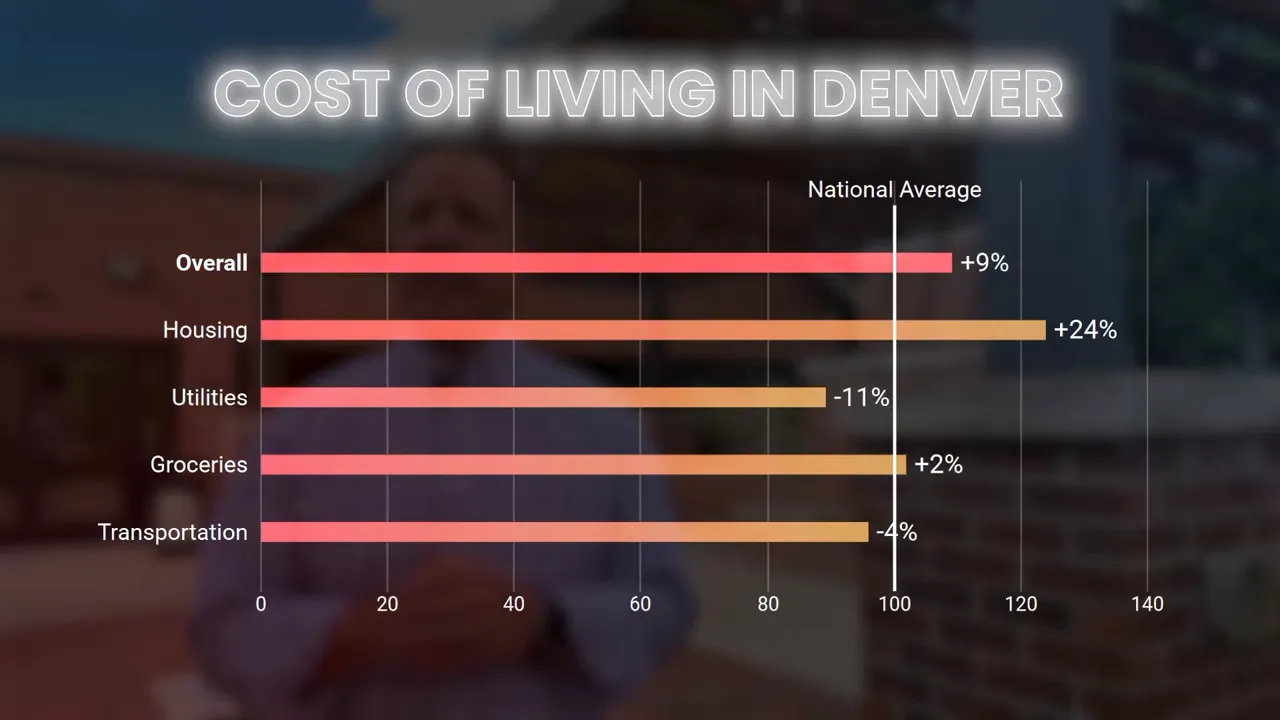
For many of us, the first reality check when Moving to Denver CO is cost. Denver is not an affordable bargain anymore. The cost of living sits about 9 to 10 percent above the national average, and housing is the biggest reason.
Yes, if we are coming from San Francisco or New York, Denver can still feel cheaper. But for locals and most movers from other parts of the country, that initial sticker shock is very real.
The median home sale price is around $592,000, and depending on the area, it can go much higher. Home values have been rising year-over-year, so buying can still be a solid long-term investment. The issue is simply that the total monthly cost of “being a homeowner” is not just the purchase price.
What people often forget to budget for:
- Property taxes
- Utilities
- Groceries and dining out
- Day-to-day service costs that tend to reflect the Colorado premium
When you are also trying to enjoy the mountain lifestyle, the expenses can stack up quickly. The price is not just in the home. It is in everything around it.
2. Traffic And Congestion
Denver traffic can test patience on a daily basis. It is not a one-time “it gets bad in rush hour” problem. It is a consistent routine for a lot of commuters, especially if your life revolves around downtown and a mountain outlet.
Two major routes, I25 and I70, are especially brutal during rush hour. Speeds can drop to around the 35 mph range between downtown and the northern suburbs. So what should be a 20 minute commute can easily balloon to 45 minutes or more during peak times.
Then there is the weekend factor. If we are moving for spontaneous ski days or quick mountain escapes, we need to plan for delays.
During ski season, I70 routinely sees delays of one to one and a half hours over the Eisenhower tunnel on peak weekends. Backups can start late morning and stretch into early evening. In other words, the drive itself becomes part of the experience, whether we love it or not.
The good news: construction projects are underway. One example is E470 road widening, with phases scheduled through 2025 and improvements on I70 Floyd Hill targeted around 2029. That means the next couple years can include more construction zones, which can be frustrating, but it can also mean better options long-term.
Denver roads are generally maintained well, and parking is often more manageable than other large metros. But we should still assume we will spend time in traffic, especially if we are balancing work downtown with weekend mountain routines.
3. Altitude Adjustment
Denver is over 5,000 feet above sea level. The “mile high” nickname is not just branding. Newcomers genuinely feel it, often in the first few weeks.
Most of us will experience some altitude adjustment symptoms like:
- Mild fatigue
- Headaches
- Dehydration
- Shortness of breath
 And yes, that daily “normal” stuff can feel harder. Activities that felt easy at sea level can feel like more effort at altitude.
There are a couple surprising effects, too.
- Alcohol tolerance drops for many people. That beer or glass of wine might hit harder than you expect.
- Sleep patterns can get disrupted, especially early on.
- Skin gets drier because the air is drier at elevation.
Most people adapt within one to three days once they adjust. The basics matter a lot:
- Drink more water than you think you need.
- Start physical activities gradually.
- Do not jump straight into a big 5-mile mountain hike your first weekend.
The key mindset is that it is temporary. Once we adapt, we can actually build better cardiovascular fitness than we had at sea level.
One more detail that catches people off guard is cooking and baking. Water boils at a lower temperature in Denver, about 202 degrees instead of 212. That changes how baked goods rise and even how things like coffee taste.
It is manageable once we expect it. And yes, we should keep water in mind, because altitude and dehydration are tied together.
4. Unpredictable Denver Weather
Denver has a climate that can feel nearly impossible to “plan for” if we are used to stable weather patterns. You may have heard the joke that if you do not like the weather, wait 10 minutes. In Denver, that is not really a joke.
The reason is quick, dramatic swings. Denver’s annual range can go from as low as around minus 30 in winter to over 100 in summer. But the bigger issue is day-to-day unpredictability.
One example: a spring blizzard can dump as much as 8 inches in the morning, then clear skies and 50 to 60 degree temperatures by afternoon.
Summer can be similar. A day that starts around 90 degrees can flip fast if a thunderstorm rolls in, and suddenly we need a jacket.
Here is the upside that people actually love: Denver gets about 300 days of sunshine, and even when snow hits, winter snowstorms usually last about 24 to 48 hours before clearing.
So we are not dealing with weeks of dark weather. We are dealing with sudden changes.
Practical moves we should make:
- Layer clothing instead of relying on one outfit
- Keep an emergency kit in the car during winter months
- Have a backup plan for outdoor activities
If we do not adapt our expectations and plan for the swings, Denver weather becomes one of the most frustrating parts of moving.
Ready to plan your move with the real-world details in mind? Call or text us at (720) 613-8710 and we’ll help you map out neighborhoods, budget expectations, and what your first year in Denver could look like.
5. Limited Water Resources
Another reality that matters more every year when Moving to Denver CO is water. Colorado’s water supply depends heavily on snowpack. And when snowpack is lower than normal, it shows up in real rules for homeowners.
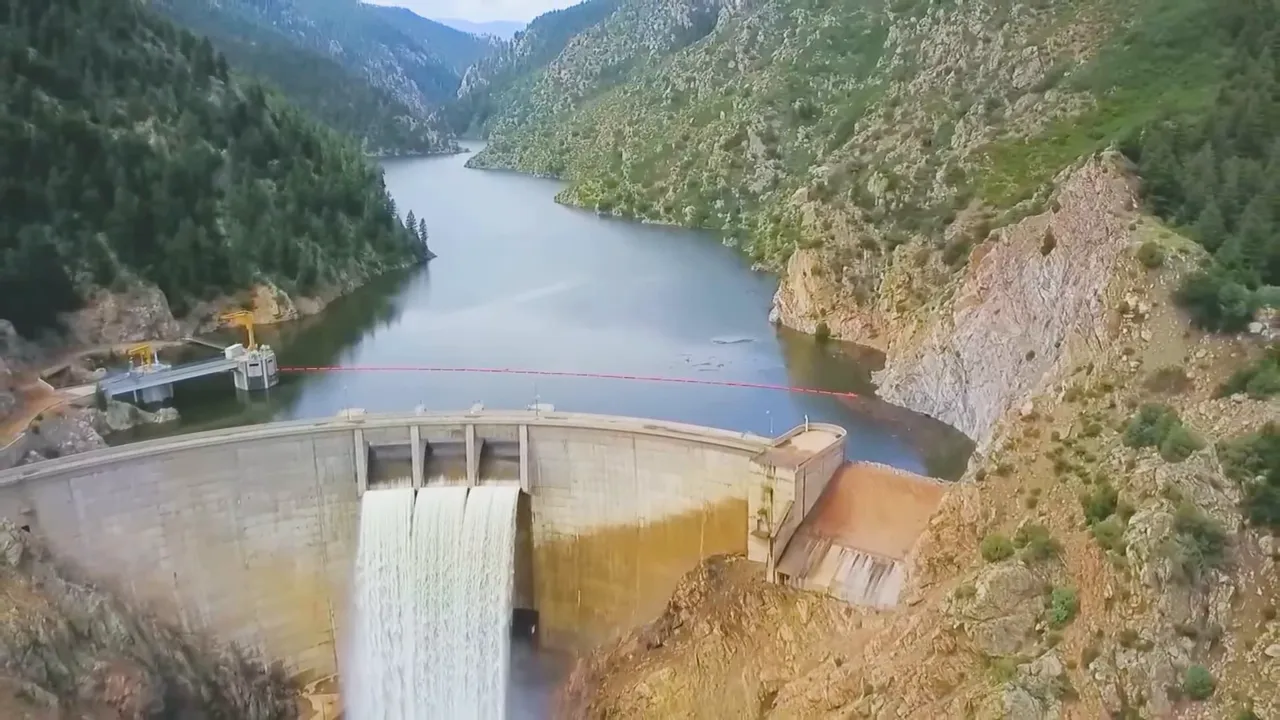
For example, in the spring of 2025, snowpack peaked at about 57 percent of the 30-year median. Reservoirs stayed below average early in the season, which led the Denver Water District to implement its annual summer watering rules.
For homeowners, this means outdoor irrigation can be limited to three days per week, with no watering permitted during a fixed schedule. If we are dreaming of a lush green lawn, we have to adjust expectations.
Longer term, as the population grows and climate patterns shift, restrictions could become more common. That affects landscaping choices and potentially future water bills.
The important bright side: Denver also maintains some of the highest drinking water quality standards in the country. The water that comes out of the tap is excellent, and many people do not need bottled water for basic use.
This is not about poor quality. It is about managing usage. Water is precious here.
Landscaping strategy matters. Traditional grass lawns require a lot of water. But Colorado native plants and zero scaping can look great while using much less water.
6. Worsening Air Quality
Many people relocate from places known for cleaner air and get surprised by what Denver can do to our respiratory comfort.
Denver periodically experiences air quality issues due to both local factors and regional wildfire smoke. One key reason this feels distinct in Denver is temperature inversion, which locals often refer to as the brown cloud phenomenon.
In an inversion, warm air sits above colder polluted air near the surface. That warmer layer traps the pollution and reduces ventilation and visibility. Inversions are most common in winter, but they can happen throughout the year.
Then we have wildfire smoke impacts in summer. Even when fires occur far away, like in California or Oregon, smoke can travel here and reduce air quality for literally weeks at a time.
It is not like constant smog in places such as Los Angeles. Denver’s air quality is often good. Roughly 62 percent of days fall into the good category. About 32 percent are moderate, and around 7 percent land in the unhealthy for sensitive groups range.
When those bad stretches happen, we should be ready to adjust outdoor plans, especially if we or our household members have respiratory sensitivities.
How we stay ahead of it: use real-time air quality tracking tools such as AirNow. Planning around the readings can make a big difference.
7. Tourist Crowds And Transplants
Denver has always been an outdoor hub, but in recent years it has become a magnet. That creates two related challenges: tourist crowds and transplant growth.
Denver’s proximity to world class ski resorts within about a two-hour drive fuels congestion. Resort areas like Vail can see visitor counts exceed 25,000 on peak days, straining infrastructure and contributing to the traffic problems we already talked about on I70.
It is not just skiing. Rocky Mountain National Park welcomed over 4 million visitors in a year. Attractions like Red Rocks bring heavy crowds year round.
So the lifestyle shift is real. What used to be peaceful mountain getaways often require more planning, patience, and time for parking and trails.
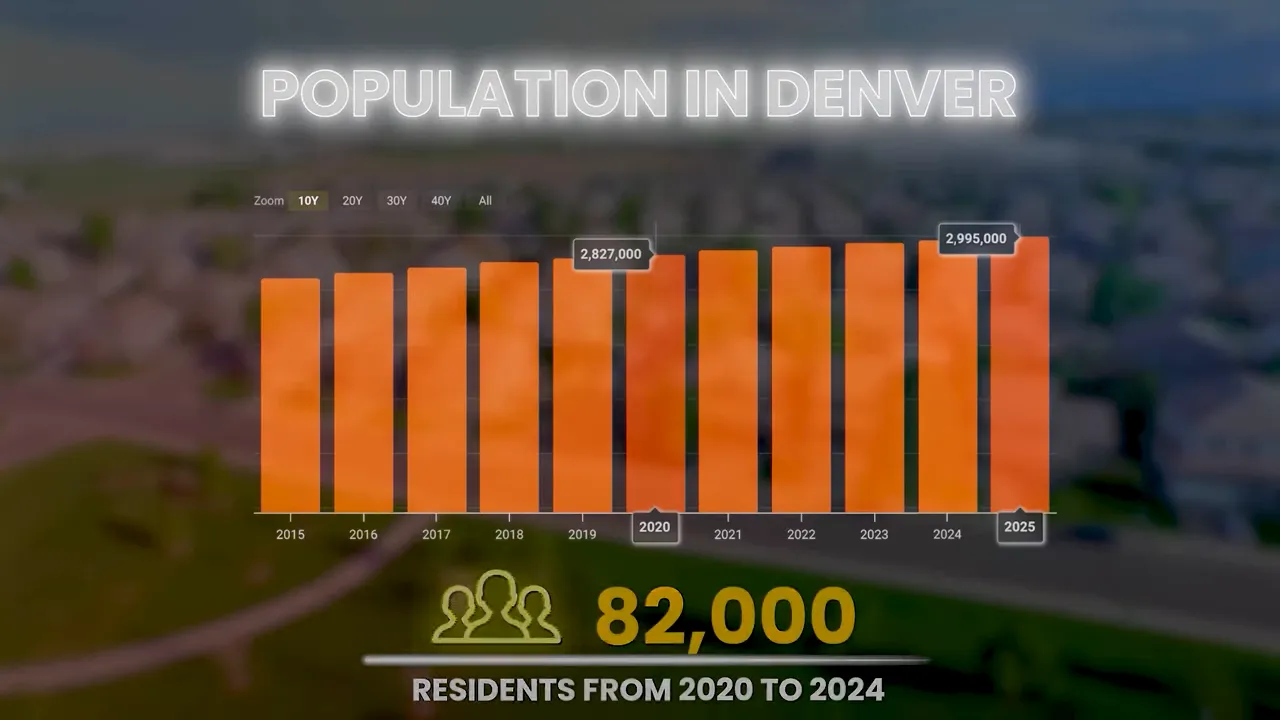
And the transplant effect is happening too. The Denver metro area added roughly 82,000 residents from 2020 to 2024. That growth is not inherently bad. But locals often notice changes in neighborhood character, and it can feel like a constant “tightening” in popular areas.
What it looks like day-to-day:
- Popular restaurants can have wait times doubling from about 4 weeks to 8 weeks after getting major accolades
- Hiking trails can feel noticeably more crowded
- We may need to book activities and accommodations well in advance
The spontaneous mountain weekend or last-minute dinner reservation becomes harder to pull off.
If we are moving here, we are part of the dynamic. The best move is to be respectful, understand the history of places we explore, and practice patience with the growing pains.
8. Car Centric Lifestyle
This one surprises a lot of people, especially if we are coming from cities with strong public transportation.
Denver is a sprawled-out, car dependent metro area. The density is lower, and that makes owning a car feel pretty essential for most households.
Some downtown neighborhoods like Cap Hill and LoHi are walkable and score high for walkability, in the mid 90s range. But other areas score much lower, often between 60 and 70. That usually means most errands require a car.
Denver’s public transit system, RTD, has bus service and light rail options. But transit mode share has plateaued around 4 percent of all trips. Only about 30 percent of households live within a quarter mile of frequent transit routes.
So if we are planning to live car free, we need to be very intentional about where we choose to live.
Here is the good news once we commit to having a car: Denver becomes much more accessible. Roads are generally well maintained, parking is often available and typically more affordable than in many other major metros, and the highway network connects efficiently to different parts of the metro area and mountain destinations.
The practical takeaway: your housing location will largely determine your transportation needs. Close in neighborhoods can work for walking or biking. Suburban areas with more space usually mean we drive for most activities.
Also, Denver’s car culture supports road trips and outdoor adventures. Having a car can unlock incredible weekend options, even if traffic is annoying.
9. It Is Not The Nightlife Capital
Denver has entertainment, but it is not the late night culture capital some people expect. We do have a solid food and drink scene, and the craft beer culture is strong, with about 160 breweries across the Denver metro area.
We also have an expanding restaurant scene, especially in neighborhoods like RiNo, LoHi, and Cap Hill.
But if we are coming from places like New York, LA, or Chicago, we are likely to notice a difference in late night variety and high-end offerings.
Most nightclubs close around 2:00 am even on weekends, and many restaurants stop serving by midnight. Denver’s vibe is more early to bed, early to rise, mountain town energy even in the city.
The entertainment style reflects the lifestyle priorities. People often prioritize outdoor activities, craft breweries, and casual dining more than high-end club scenes and late night fine dining.
The social scene often builds around hiking groups, ski clubs, and other outdoor recreation rather than traditional urban nightlife.
That does not mean Denver is lacking quality. We still have excellent restaurants, good live music venues, and interesting cultural events. The real adjustment is expectation: Denver’s scene is built around the outdoors and community energy more than late night nonstop everything.
View Homes For Sale in Denver, CO
FAQs
What is the cost of living like when Moving to Denver CO?
Denver’s cost of living is typically about 9 to 10 percent above the national average, mainly due to housing. When budgeting, we should also plan for property taxes, utilities, groceries, dining, and other day-to-day expenses that can add up quickly.
How bad is traffic in Denver?
Rush hour on major routes like I25 and I70 can slow commutes significantly. Weekend mountain travel gets even tougher in ski season, with I70 delays over the Eisenhower tunnel often reaching one to one and a half hours on peak weekends.
How long does altitude adjustment usually take?
Many newcomers adapt within about one to three days with simple changes like drinking more water and ramping up physical activity gradually. Some people also notice sleep changes, dryness, and reduced alcohol tolerance during the first weeks.
Is Denver weather really unpredictable?
Yes. Denver often experiences rapid day-to-day changes, including swings where snow can turn into spring temperatures quickly. Layering clothing, keeping an emergency car kit in winter, and having backup plans help a lot.
Do water restrictions affect homeowners in Denver?
They can. Colorado relies heavily on snowpack, and when it is low, Denver Water may implement watering rules. Homeowners should expect potential limits on outdoor irrigation days, and consider landscaping options that use less water.
Should we worry about air quality?
Denver can have periodic air quality issues from inversions and wildfire smoke. Most days are good, but there can be stretches where outdoor activities should be adjusted, especially for people with respiratory sensitivities. Real time tracking tools like AirNow can help.
Do tourists and new residents change Denver?
They can. Tourist traffic to ski resorts, Rocky Mountain National Park, and Red Rocks increases congestion and crowding. At the same time, metro growth adds new residents, which can change wait times, trail congestion, and reservation lead times.
Is it possible to live car free in Denver?
It is possible for a subset of people, but we need to be strategic. Denver’s metro is car dependent, and only a smaller share of households live close to frequent transit routes. Car free works best in certain close in, walkable neighborhoods.
How is the nightlife in Denver compared to big cities?
Denver is not a late night, always on nightlife capital. Many venues close earlier, and restaurant service often ends by midnight. The entertainment culture is more aligned with outdoor lifestyle, craft breweries, and casual dining.
Key Takeaways
Moving is exciting. We should not let fear steal the thrill. But Moving to Denver CO works best when we go in with our eyes open and our expectations tuned to how Denver really behaves.
- Budget for the full cost, not just the home price.
- Plan around traffic, especially weekends in ski season.
- Expect altitude adjustment and give your body a short runway.
- Layer for weather swings and keep a backup plan.
- Treat water as a real planning factor and design accordingly.
- Use air quality tools during inversion and smoke periods.
- Embrace the growth while being patient with crowding.
- Choose your housing wisely if you want to minimize car dependence.
- Adjust nightlife expectations toward Denver’s outdoor lifestyle priorities.
If we can handle those realities, Denver gives a lot back. We get sunshine, mountain access, strong community energy, and a lifestyle that is genuinely hard to replace once it becomes ours.
Moving to Denver CO? If you want help thinking through neighborhoods, budget realities, and how your commute and lifestyle will fit together, we can talk it through.
At the end of the day, it is a tradeoff city. For many of us, the lifestyle benefits make it worth it.
READ MORE: Cost of Living in Denver Colorado: A Realistic Breakdown for Buyers and Movers

Gary Bradler
Gary is your trusted partner in the residential real estate market of Denver, Colorado. With years of experience, he is dedicated to helping buyers, sellers, and investors navigate the dynamic landscape, whether you’re a first-time buyer or a seasoned investor.
WATCH THE LATEST VIDEOS