

Never Buy a New Construction Home in Denver Without Knowing These 9 Traps
If you are thinking about buying brand new in Denver, you are not alone. Model homes look pristine. The finishes feel modern. The community amenities feel like a lifestyle upgrade.
But here is the catch. If you walk in unprepared, you can end up making a six figure mistake. Not because the home is “bad,” but because Denver new construction has a way of hiding costs, shifting timelines, and quietly changing the risk profile of your purchase.
Below are nine traps that catch uninformed buyers off guard, plus the smart moves that protect your money and your leverage with builders.
Table of Contents
- Introduction: Why New Construction in Denver Is Risky
- 1. The Hidden Monthly Costs of New Construction Homes in Denver
- 2. Quality Differences Between Builders and Communities
- 3. The Model Home Agent Doesn't Work For You
- 4. Hidden Incentives and Lender Traps
- 5. Builder Contracts vs Standard Colorado Contracts
- 6. Construction Delays and Timelines
- 7. Inspections Still Matter
- 8. How Denver New Construction is Different
- 9. When to Time Your Purchase
- Final Thoughts: How to Win When Buying New Construction in Denver
- Denver New Construction FAQs
Introduction: Why New Construction in Denver Is Risky
New construction is not automatically a bad deal. The advantage is real: you get fresh systems, modern code compliance, and sometimes better energy efficiency. The problem is that the risks and costs often do not show up in the way you expect.
Existing homes are usually governed by standardized contracts with more buyer balanced protections. New construction is different. Builders use proprietary contracts written to protect the builder first. That changes how contingencies, inspections, timelines, and penalties work.
1. The Hidden Monthly Costs of New Construction Homes in Denver
Most buyers look at the base price in the model home. Then they get hit after closing with recurring costs that push their monthly payment higher than they planned.
HOA dues are only part of the story
Most new construction communities in the Denver area have an HOA. These fees typically run from about $100 to $400 per month, depending on amenities. They can cover pools, clubhouse, common area maintenance, trash, and even snow removal.
Denver metro districts can add major property tax
This is the part that blindsides people.
Colorado has roughly 2200 metro districts across the state, and they show up all over new construction communities.
A metro district is an independent government entity that helps finance infrastructure. That can include roads, water systems, sewers, parks, and even fire stations.
Instead of the builder fully baking that cost into the sale price, the development is financed through bonds. The homeowner repays those bonds through an additional property tax called a mill levy, typically over 30 years.
Here is the example that makes it real:
- Assume a home market value around $600,000
- Assume a metro district mill levy around 50 mills
- That can add roughly $2,000 annually in metro district taxes
- That is about $167 per month on top of your regular property taxes
And that can keep going for decades.
Other “small” costs add up fast
Beyond HOAs and metro districts, buyers also miss things like:
- Lot premiums for corner lots or mountain views, often $10,000 to $50,000
- Upgrades to match the model home look, frequently $30,000 to $80,000
- Backyard landscaping, where you should budget an extra $10,000 to $30,000 if you want the finished yard
Smart move: model the true payment before you sign anything
The solution is simple, even if it is not fun. Read the HOA documents. Read the metro district documents. Then have your lender model the true monthly payment with:
- principal and interest
- taxes and insurance
- HOA dues
- any special district taxes (including metro district mill levy)
When you know the real numbers from day one, there are no surprises. And yes, many buyers still decide the amenities are worth it. The point is choosing with clarity, not hope.
HOA and Metro District Fees
If you take one lesson from Denver metro districts, make it this: they are not optional and they do not feel like a one time cost. They are built into the property tax structure and can last for a long time.
When evaluating new construction, do not ask “what is the HOA?” only. Ask:
- Is there an HOA?
- Is there a metro district or multiple districts?
- What is the mill levy rate and when does it expire?
- How is the tax calculated and what does it look like on a $600,000 example value?
- What amenities does the HOA actually maintain, and is the HOA stable or trending up?
Builders sometimes talk about incentives later. But these ongoing charges are where financial surprises usually come from.
2. Quality Differences Between Builders and Communities
Not all new construction is equal. And here is the part that surprises people: even within the same builder, quality can swing wildly based on the community and the superintendent managing the project.
One builder can build two homes that look similar on paper, and yet one ends up needing around $40,000 in warranty work while the other is nearly flawless, even if both were built the same year and in communities just a few miles apart.
What to do with this information
Builders you might hear about include major national players like:
- Richmond American Homes
- Pulte Homes
- Century Communities
- KB Homes
- Lennar
- Taylor Morrison
There are also regional builders and specialists, including builders that focus on energy efficiency or bring a different service model.
Names matter less than two practical checks:
- Look up past communities and ask past buyers about responsiveness after closing.
- Verify warranty behavior, not just warranty existence.
2. Quality Differences Between Builders and Communities
Warranty language matters. Colorado law does offer protections, and new legislation improves clarity for participating builders.
Colorado also created the Colorado American Dream Act, which starts an incentive program on January 1, 2026. For participating builders, warranties must cover:
- one year workmanship warranty
- two years systems warranty for electrical, plumbing, and HVAC
- six years structural warranty for major defects
Smart move: ask the “what is actually covered” question
Do not settle for “there is a warranty.” Confirm:
- what triggers coverage
- how claims are handled
- what documentation is required
- how quickly repairs are scheduled
Then pull past communities and talk to actual buyers if possible.
3. The Model Home Agent Doesn't Work For You
Sales agents are friendly. They are also doing their job, which is to represent the builder.
That means they will not volunteer certain information that helps you negotiate. One of the best examples is the “lowest accepted price” question.
Ask: What is the absolute lowest price you have accepted on this floor plan in the last 60 days?
The agent likely knows the number. They just will not tell you, because the buyer and builder interests are not aligned during the sales pitch.
Why you should not rely on the on site agent
On site agents usually will not openly tell you that:
- the price is negotiable
- you can request credits for closing costs or upgrades
- you can hire your own inspector
- you can bring your own agent
- the contract can be heavily tilted toward the builder
Smart move: bring representation from day one
Having professional guidance is not just about paperwork. It is leverage. It is someone who asks the tough questions and reviews contract clauses where risk hides.
When negotiating, even a difference of $10,000 to $20,000 can happen. In stronger cases, additional value may reach $40,000 through strategic credits and upgrades.
If you’re thinking about buying new construction in Denver and you don’t want to rely on builder explanations, I can help. I negotiate on your behalf—focusing on the items that matter most: contract risk points, inspection strategy, closing cost credits, upgrades, and incentives you can actually use.
Reach out and I’ll help you compare communities, identify builder motivation, and structure an offer with real leverage—without the “walk-in unprepared” tax.
Search for New Construction Homes in The Greater Denver Area
4. Hidden Incentives and Lender Traps
Builders love incentives because they make the deal feel like a win instantly. Closing cost credits, mortgage rate buydowns, and free upgrades can sound too good to be true.
There is a catch that matters more than the headline number.
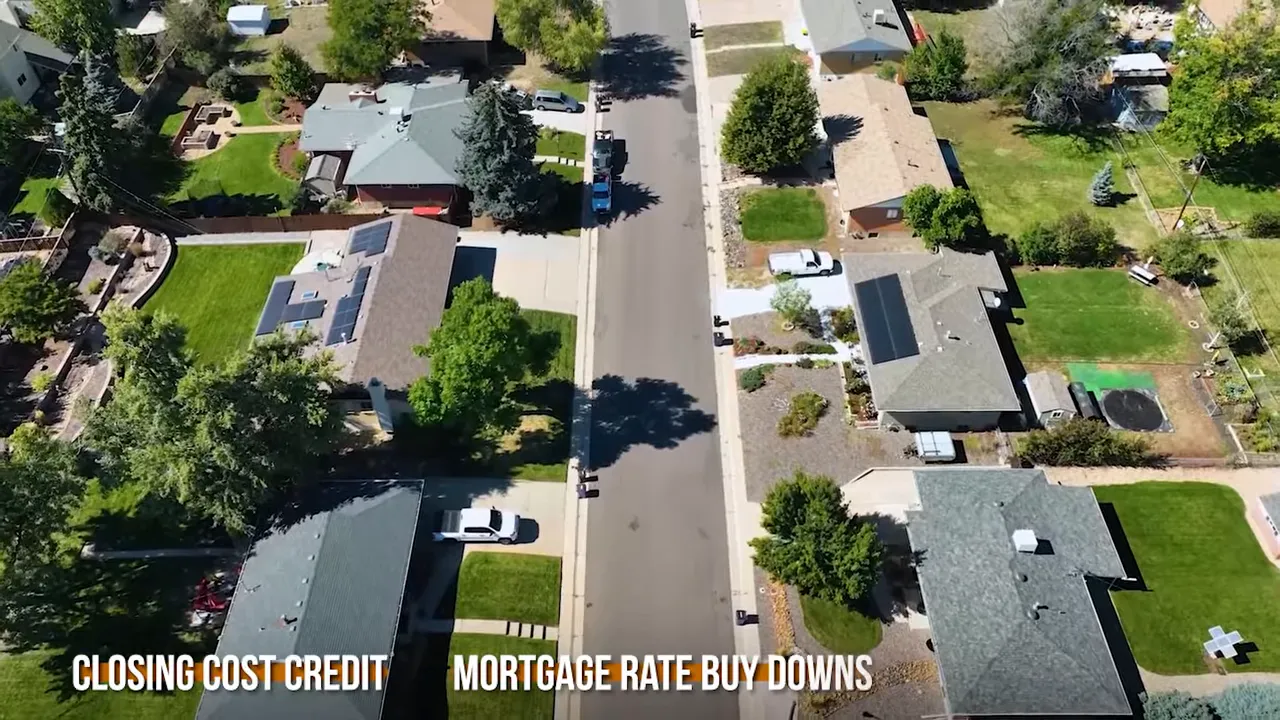
Incentives are often contingent on using the builder’s preferred lender.
The real risk: the “discount” can cost more over 30 years
Builders can offer a headline package like:
- $15,000 in closing costs
- free granite
- a 1 percent rate buy down
But if the builder lender has slightly higher rates, loan fees, or worse terms, the long term difference can wipe out the upfront incentive value.
Smart move: compare the builder lender against your lender
Different communities from the same builder may offer very different incentives at the same time. Some communities offer aggressive credits to close out inventory. Others hold back because demand is strong.
Your job is to compare across multiple communities and multiple builders, and then also compare financing.
One more key point: in many cases, almost everything except list price is negotiable. That can include credits, upgrades, HOA concessions, and offer timelines.
Buyers can sometimes secure substantial additional credits just by timing and knowing what to ask for.
5. Builder Contracts vs Standard Colorado Contracts
This is where many buyers get stuck. They feel pressure. They sign quickly. They trust that “it is standard.” It is not.
For existing homes in Colorado, the transaction is usually governed by a relatively balanced contract approved by the Colorado Real Estate Commission.
Builder contracts are different. Big builders in Denver use proprietary contracts designed by attorneys to protect the builder’s interest.
Common contract themes to watch
- Limited financing contingencies, which reduce your protection if your financial situation changes
- Limited inspection leverage, which can restrict your ability to walk away based on inspection findings
- Strong penalties for buyer delays, while the builder gets more timeline flexibility for construction issues
A simple example of imbalance
One contract dynamic described is that the builder can delay closing by months with little or no penalty, but a buyer being only a few days late can trigger penalties.
Smart move: do not sign without someone walking you through risk points
Your buyer agent should review the key sections. For high stakes purchases, bringing a real estate attorney to review contract language can add an extra layer of protection.
The goal is not to panic. The goal is to understand the real consequences before you commit.
6. Construction Delays and Timelines
Builders provide an estimated completion date. That date is a moving target.
Delays are common and usually come from things like:
- permits taking longer than expected
- labor problems
- supply chain disruptions
- weather
- site conditions requiring unexpected work
Denver’s construction volume makes this even more likely
With a high volume of development activity, delays are part of the ecosystem. The key is how the contract allocates risk. Typically, the builder has flexibility and the buyer faces strict penalties if the buyer delays.
Smart move: build a buffer
If the builder says six months, plan for about eight. Have contingency arrangements for temporary housing or an overlapping lease.
Make sure your contract has clear language around the certificate of occupancy and what must be completed before closing.
Then, when delays happen, they are not a crisis. You planned for them.
7. Inspections Still Matter
Even if a new home passes city inspections and looks perfect at walkthrough, errors can still slip through.
One example mentioned is HVAC ductwork that was not connected in two bedrooms. The builder did not have the issue flagged, and the city inspector did not catch it.
City inspections are not the same as independent quality inspections
City inspections focus on code compliance, basic safety, and structural requirements.
An independent inspector focuses on workmanship quality, system functionality, and issues that can create problems later.
What problems commonly show up
- plumbing issues and improper slope on drain lines
- leaky fixtures
- electrical problems and loose electrical connections
- incorrect wiring
- grading and drainage issues around the foundation
- insulation deficiencies
- uneven drywall and poor paint
- flooring gaps
These may not be safety emergencies, but they are exactly the types of things builders are far more motivated to fix before you close than after.
Smart move: hire an inspector who works for you
Always hire an independent inspector. Where appropriate, consider multiple specialists:
- a general home inspector
- a sewer scope
- a structural engineer for complex homes
If buying early in a community, walk the home at multiple phases before drywall goes up. You can see framing, electrical, and plumbing.
Use the inspection report as a punch list and negotiate fixes before closing.
This is one of the biggest advantages of new construction when you do it right. You get to inspect during multiple phases, influence quality along the way, and move into a home that has been thoroughly checked.
8. How Denver New Construction is Different
New construction in Denver is concentrated, not scattered randomly. A big driver is large scale master plan communities, especially in expanding suburbs.
Examples mentioned include:
- Sterling Ranch, southwest of Denver, with trails and state park access included
- The Canyons in Castle Pines, spanning about 1,300 acres with parks, trails, pools, and fitness centers
- Central Park, east Denver, built on the former Stapleton airport site with an urban feel
- Uplands Colorado, in Westminster, with direct access to the B Line transit corridor
Growth is happening across all four quadrants
- North: Thornton, Westminster, Broomfield
- South: Douglas County, Castle Rock, Parker, Castle Pines, often known for master plan communities with larger lots
- East: Aurora and Central Park, with walkability in Central Park
- West: Arvada and Golden, closer to foothills, often with less available land for development
Smart move: shortlist locations based on how you want to live
Do not choose purely based on the prettiest model home. Decide if your priorities are:
- bigger lots and more space
- walkability and transit access
- amenities and community lifestyle
Pick an area that matches your actual lifestyle, then select builders within that location.
9. When to Time Your Purchase
Once location and builder are dialed in, timing becomes your final piece of leverage.
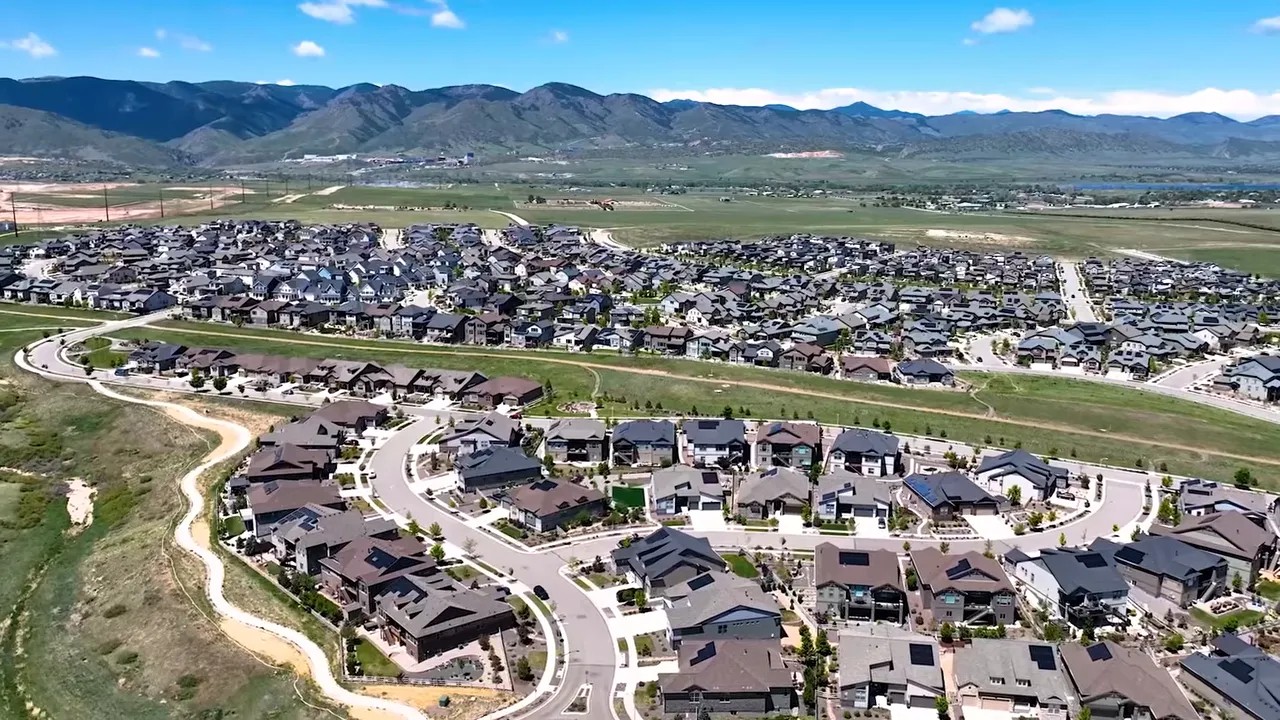
Builders are usually less flexible during peak spring and summer. They are also often less flexible early in a community when there is excitement and buzz.
Deals improve during slower seasons, when builders are trying to close out inventory, or when they are chasing year end numbers.
Market context in Denver
As of December 2025, the median sales price in Denver was around $615,000, up about 4.6 percent year over year. Homes were spending about 44 days on the market. The sale to list price ratio suggested buyers were securing deals about 2.1 percent below list price.
The takeaway: the market had cooled slightly, and that usually increases builder willingness to offer incentives.
Smart move: target closeout phases and slower periods
Builders respond when existing home inventory is higher and buyers have options. Then the builder has to compete.
By combining timing with incentive negotiation, you can create meaningful wins. One example given is negotiating about $35,000 in combined credits through upgrades and closing cost assistance that were not available six months earlier, even with the same builder and same floor plan.
Final Thoughts: How to Win When Buying New Construction in Denver
New construction does not have to be risky. It becomes a great opportunity when you treat it like a negotiation and a risk management project.
Remember the big themes:
- Model the true payment, including HOA and metro district mill levies
- Verify quality through past communities and warranty behavior
- Confirm warranty terms and what is actually covered
- Bring representation from day one to ask the questions builders do not
- Compare incentives against financing terms, not just headline values
- Review builder contract risk points before you sign
- Plan for delays and insist on clear completion and certificate of occupancy language
- Hire independent inspectors and inspect at multiple phases when possible
- Use location shortlist plus timing to maximize leverage
If you apply these steps, you are no longer hoping the builder takes care of you. You are setting up a structure that protects your money and your expectations.
Search for New Construction Homes in The Greater Denver Area
Denver New Construction FAQs
Do I need to worry about metro districts in every Denver new construction community?
Not every community has them, but many do. The safest move is to confirm in the HOA documents and property tax disclosures whether there is a metro district and what mill levy is attached.
Are HOA dues and metro district taxes both paid monthly?
Typically HOAs are billed monthly, while metro district costs usually show up through property tax bills. Either way, you need to model both impacts in your monthly budget.
What is the biggest mistake buyers make when negotiating new construction?
Focusing only on the sales price and headline incentives, while ignoring financing terms, builder contract risk points, and ongoing monthly or property tax costs.
Should I bring my own inspector for a new build?
Yes. City inspections check code compliance and basic safety. An independent inspector checks workmanship and system functionality that can lead to future problems.
Can new construction warranties protect me even if the quality is poor?
They can, but coverage details matter. Verify workmanship, systems, and structural terms and confirm how the builder handles repairs before closing.
When is the best time to buy a new construction home in Denver?
Builders are often more aggressive during slower seasons, closeouts, and when they are trying to hit year end targets. Peak spring and summer typically bring less flexibility.
Read More: Best Denver Suburbs to Live In: Top Areas Compared

Gary Bradler
Gary is your trusted partner in the residential real estate market of Denver, Colorado. With years of experience, he is dedicated to helping buyers, sellers, and investors navigate the dynamic landscape, whether you’re a first-time buyer or a seasoned investor.
WATCH THE LATEST VIDEOS